
Swim Goggle Care Guide
Foggy swim goggles are frustrating, especially when they cloud up during laps, swim lessons, races, or open-water sessions. The good news is that most fogging problems come from a few simple causes: condensation, worn anti-fog coating, poor lens care, leaking, or using the wrong goggles for your swim conditions.
This guide explains how to stop swim goggles from fogging, what not to do, when to replace old goggles, and how to choose a better anti-fog pair if your current goggles keep fogging no matter what you try.
This article contains affiliate links. As an Amazon Associate, BestSwimGoggles.com may earn from qualifying purchases. This does not change the price you pay and does not control our editorial recommendations.
Quick Answer: How to Stop Swim Goggles from Fogging
To stop swim goggles from fogging, rinse them gently before swimming, avoid touching the inside of the lenses, make sure the goggles seal properly, let them air dry after use, and store them in a protective case. If the anti-fog coating is already worn out, use a swim-safe anti-fog spray or replace the goggles.
Start with these simple fixes:
- Do not rub the inside of the lenses.
- Rinse goggles gently with cool fresh water after swimming.
- Let goggles air dry naturally before storing.
- Use a protective case instead of tossing them in a swim bag.
- Check the fit so water is not leaking into the lenses.
- Use anti-fog spray only when the original coating starts to fade.
- Replace old goggles when the coating is scratched or permanently cloudy.
No swim goggles stay fog-free forever. Anti-fog coatings wear down over time, especially if the inside lens is rubbed, scratched, or exposed to rough storage.
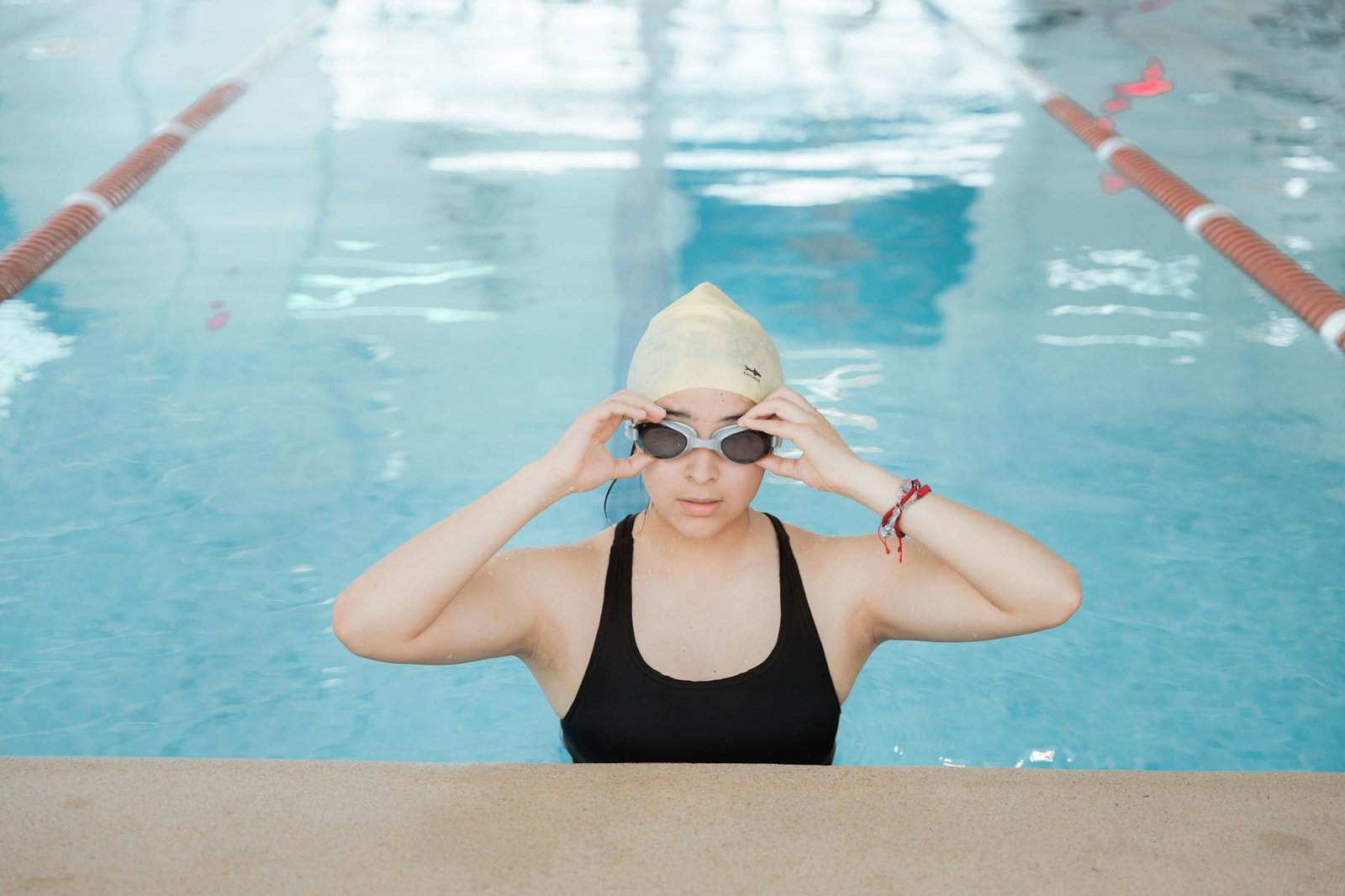
Why Swim Goggles Fog Up
Swim goggles fog when warm, moist air inside the goggles meets the cooler lens surface. This creates condensation, similar to what happens when a bathroom mirror fogs after a hot shower.
Fogging can happen faster when the water is cool, your face is warm, the goggles leak slightly, or the anti-fog coating has been damaged.
| Cause | What Happens | What Helps |
|---|---|---|
| Condensation | Warm air inside the goggles meets a cooler lens | Rinse lenses and keep the seal stable |
| Worn anti-fog coating | The factory coating no longer prevents fog well | Use anti-fog spray or replace goggles |
| Rubbing the inside lens | Anti-fog coating gets damaged | Avoid touching the inside lens |
| Leaking goggles | Water enters and disrupts visibility | Improve fit or choose a better frame shape |
| Rough storage | Lenses get scratched or coated with residue | Use a case and air dry first |
9 Ways to Stop Swim Goggles from Fogging
Fix 1
1. Do Not Rub the Inside of the Lenses
This is the most important rule. Most swim goggles have an anti-fog coating on the inside of the lens. Rubbing it with your finger, towel, shirt, or pool deck cloth can damage the coating quickly.
If the lens looks wet or cloudy, rinse gently instead of wiping. Let the goggles air dry naturally after your swim.
Fix 2
2. Rinse Goggles Gently Before Swimming
A gentle rinse before swimming can help remove dust, residue, or dried chlorine from the lenses. Use cool fresh water if available, and avoid hot water because heat can weaken lens coatings and goggle materials.
Do not scrub the inside lens. A light rinse is enough.
Fix 3
3. Make Sure the Goggles Fit Properly
Poor fit can make fogging worse. If water leaks into the goggles, you may keep stopping, wiping, adjusting, and damaging the lens coating.
A good pair should seal gently without needing the strap to be painfully tight. If the goggles only work when you crank the strap down, the frame shape may not match your face.
Press the goggles lightly to your face without the strap. If they hold a gentle seal for a moment, the shape is more likely to work.
Fix 4
4. Let Goggles Air Dry After Every Swim
Putting wet goggles straight into a closed bag can trap moisture, chlorine, sunscreen, and residue against the lenses. Over time, that can make fogging and cloudiness worse.
After swimming, rinse gently, shake off excess water, and let the goggles air dry before storing them.
Fix 5
5. Store Goggles in a Protective Case
Swim bags are rough places for lenses. Keys, fins, paddles, shampoo bottles, towels, and water bottles can scratch or press against your goggles.
A simple protective case can help your lenses stay clearer longer and protect the anti-fog coating from unnecessary damage.
Fix 6
6. Use Anti-Fog Spray When the Factory Coating Fades
If your goggles used to stay clear but now fog quickly, the factory anti-fog coating may be wearing out. A swim-safe anti-fog spray can help restore some clarity.
Follow the spray instructions carefully. Some products need to sit for a short time before rinsing, while others are designed differently.
Avoid household glass cleaners, strong soaps, or chemicals that are not meant for swim goggles.
Fix 7
7. Keep Sunscreen, Shampoo, and Soap Away from the Inner Lens
Sunscreen, hair products, soap, and shampoo residue can affect lens clarity. This is especially common for outdoor swimmers and kids who apply sunscreen before getting in the pool.
Try to keep sunscreen away from the goggle gasket and inner lens. If residue gets on the goggles, rinse gently with fresh water.
Fix 8
8. Choose the Right Lens for the Swim Environment
Sometimes what feels like “fog” is actually poor visibility from the wrong lens tint. Dark mirrored or polarized lenses can feel too dim indoors or during early morning swims.
Use clear lenses for indoor pools and low light. Use tinted, mirrored, or polarized lenses for bright outdoor swimming.
Fix 9
9. Replace Old Goggles When the Coating Is Gone
If your goggles are scratched, permanently cloudy, leaking, or fogging within minutes no matter what you do, replacement may be the best fix.
Anti-fog coatings do not last forever. For regular swimmers, goggles are a wear item, not a lifetime purchase.
What Not to Do with Foggy Swim Goggles
Some popular “quick fixes” can damage your goggles or irritate your eyes. Be careful with anything that touches the inside of the lens.
| Mistake | Why It Can Be a Problem | Better Option |
|---|---|---|
| Rubbing the inside lens | Can remove anti-fog coating | Rinse gently and air dry |
| Using harsh cleaners | Can damage lens coating or gasket material | Use swim-safe anti-fog spray |
| Leaving goggles in a hot car | Heat can weaken materials and coatings | Store in a cool, dry place |
| Throwing goggles loose in a bag | Lenses can scratch easily | Use a protective case |
| Over-tightening straps | Can hurt and still not fix poor fit | Choose a better-fitting frame |
When to Replace Foggy Swim Goggles
Sometimes goggles fog because they are old, scratched, or no longer sealing well. If you swim often, replacing goggles every so often is normal.
Replace your goggles if:
- They fog within minutes even after proper care.
- The inside lens looks scratched or permanently cloudy.
- The gasket no longer seals well.
- The strap is stretched, cracked, or unreliable.
- You keep over-tightening them to stop leaks.
- The lens tint no longer matches where you swim.
For replacement options, see our guide to the best anti-fog swim goggles.
Best Anti-Fog Goggles to Consider
If your current goggles are too old or the coating is already damaged, a better anti-fog pair may be worth it. These are a few good starting points depending on your swimming style.
| Goggle | Best For | Why Consider It | Check Price |
|---|---|---|---|
| Arena Cobra Ultra Swipe | Racing and serious training | Strong anti-fog performance for experienced swimmers | Check Deal |
| Speedo Vanquisher 2.0 | Pool training value | Affordable training goggle with practical anti-fog use | Check Deal |
| Speedo Biofuse 2.0 Polarised | Comfort-focused swimmers | Softer fit for swimmers who dislike firm pressure | Check Deal |
| Aegend Swim Goggles | Budget and backup use | Affordable option for casual swimmers and families | Check Deal |
Indoor vs Outdoor Fogging Tips
Goggles can fog in both indoor and outdoor pools, but the causes may feel slightly different depending on temperature, light, and lens type.
| Swim Setting | Common Fogging Issue | Best Tip |
|---|---|---|
| Indoor pool | Warm face and humid pool air | Use clear anti-fog goggles and avoid rubbing lenses |
| Outdoor pool | Sunscreen, heat, and bright light | Keep sunscreen away from lenses and use proper tint |
| Open water | Cool water and changing temperature | Use a stable seal and wide-view anti-fog lens |
| Kids lessons | Touching, wiping, and frequent adjustment | Choose soft youth goggles and teach gentle handling |
| Racing | No time to stop and clear lenses | Test race goggles in practice before the meet |
Frequently Asked Questions
Why do my swim goggles fog up?
Swim goggles fog when warm, moist air inside the goggles condenses on the cooler lens. Fogging can get worse if the anti-fog coating is worn, the goggles leak, or the inner lens has been rubbed.
How do I stop swim goggles from fogging?
Avoid rubbing the inside lens, rinse gently after use, let goggles air dry, store them in a protective case, check the fit, and use swim-safe anti-fog spray when the original coating fades.
Can I wipe the inside of my goggles?
It is better not to wipe the inside lens because rubbing can damage the anti-fog coating. Rinse gently and air dry instead.
Does anti-fog spray work for swim goggles?
Anti-fog spray can help when the factory coating starts to fade, but it should be used according to the product instructions. It will not fix scratched lenses or poor goggle fit.
Why do new goggles still fog?
New goggles can still fog if they leak, are handled roughly, have residue on the lens, or are used in strong temperature differences. Make sure the fit is correct and avoid touching the inner lens.
When should I replace foggy goggles?
Replace goggles if they fog within minutes despite proper care, have scratched or cloudy lenses, leak repeatedly, or have worn straps and gaskets.
Final Takeaway
The best way to stop swim goggles from fogging is to protect the anti-fog coating, avoid rubbing the inside lens, rinse gently, let the goggles air dry, and make sure the fit is stable. If your goggles are old, scratched, leaking, or permanently cloudy, replacement may be the most practical fix.
For swimmers who need a better pair, start with our guide to the best anti-fog swim goggles.
Need Better Anti-Fog Goggles?
If your current goggles keep fogging even after proper care, compare our top anti-fog picks for pool training, racing, comfort, and budget use.
