
Swim Goggle Fit Guide
Adjusting swim goggle straps looks simple, but many leaks, red marks, headaches, and slipping problems come from strap mistakes. The strap should hold the goggles in place — it should not be the only thing creating the seal.
This guide explains how to adjust swim goggle straps correctly, how tight they should feel, where the strap should sit on your head, how to fix leaks without over-tightening, and when the problem is actually the frame shape rather than the strap.
This article contains affiliate links. As an Amazon Associate, BestSwimGoggles.com may earn from qualifying purchases. This does not change the price you pay and does not control our editorial recommendations.
Quick Answer: How Tight Should Swim Goggle Straps Be?
Swim goggle straps should be snug enough to keep the goggles stable, but not so tight that they cause pain, deep red marks, headaches, or distorted lenses. A good pair should seal briefly against your face with light pressure before the strap is tightened. The strap’s job is to maintain the seal, not force a bad frame to fit.
Good strap adjustment should feel like this:
- The goggles stay in place when you push off the wall.
- The seal feels secure without painful eye pressure.
- The strap sits around the crown/back of the head, not low on the neck.
- The lenses do not dig into the eye socket.
- The goggles do not slide down during turns.
- You can wear them for a full swim session without discomfort.
If tightening the strap is the only way to stop leaking, the goggles may be the wrong shape for your face.
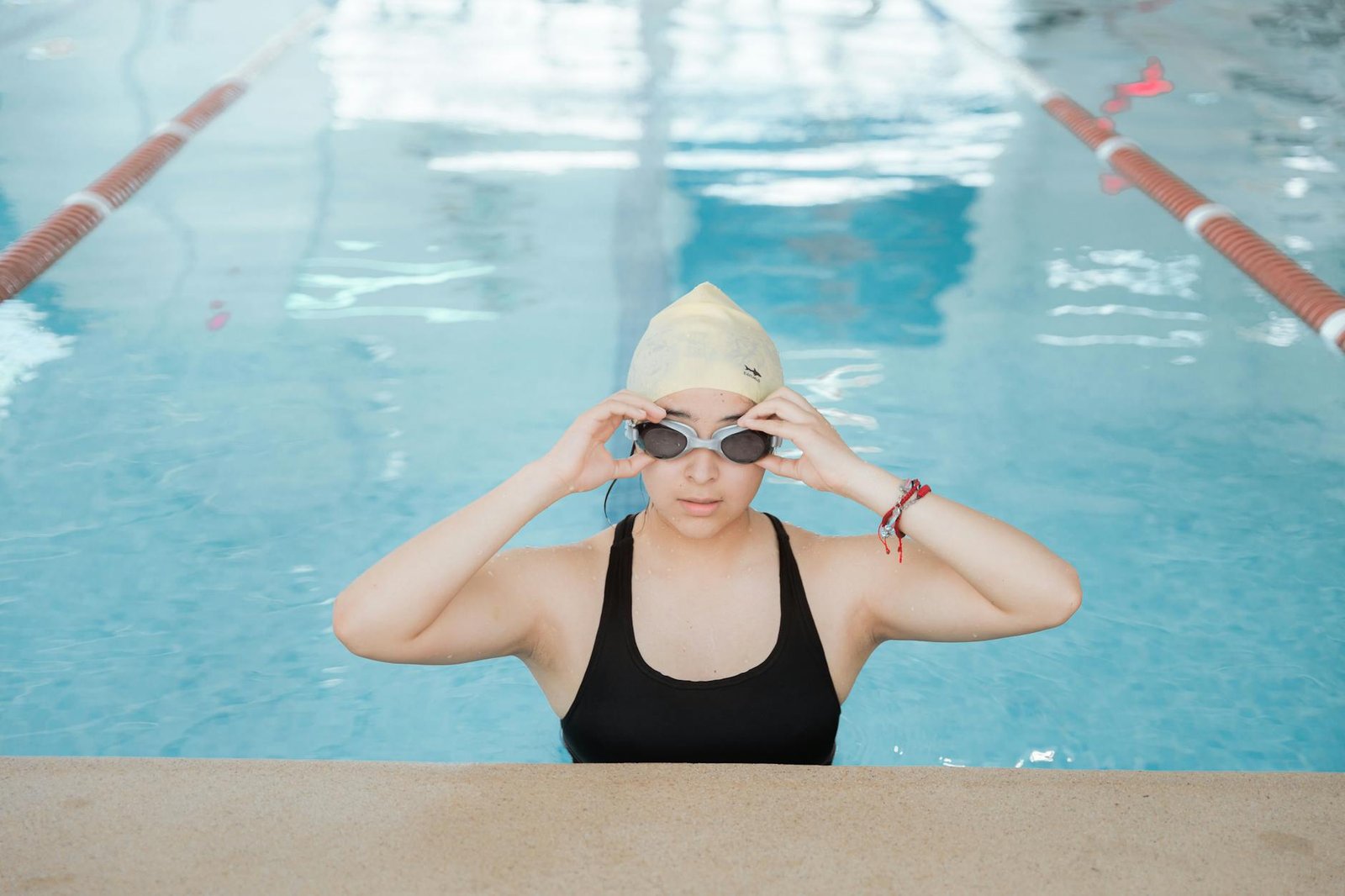
Why Strap Adjustment Matters
The wrong strap tension can make even good goggles feel bad. Too loose, and the goggles shift or leak. Too tight, and they press into the eye socket, leave deep marks, fog faster, or give you a headache.
Many swimmers try to solve every leak by tightening the strap. That works only if the goggles already match your face shape. If the gasket does not sit evenly around your eyes, more tension usually creates pain instead of a reliable seal.
Correct Strap Fit Helps
- Reduce leaks
- Prevent slipping
- Improve comfort
- Reduce eye pressure
- Keep goggles stable during turns
Poor Strap Fit Can Cause
- Headaches
- Deep red marks
- Hair pulling
- Fogging from repeated adjustment
- Leaks near the nose or outer eye
Step-by-Step: How to Adjust Swim Goggle Straps
Use this process before deciding your goggles are too small, too big, or defective. Small strap changes can make a big difference.
Start With the Strap Looser Than You Think
Put the goggles on with the strap slightly loose. If you start too tight, you may mistake pressure for a proper seal.
Position the Lenses First
Place the eye cups gently around your eyes. Make sure the gasket is not folded, twisted, sitting on your eyebrow, or resting too low on your cheekbones.
Set the Strap High Enough
The strap should usually sit around the back crown of your head, not down on your neck. A low strap can pull the goggles downward and create leaks.
Tighten Gradually
Pull both sides evenly. Tighten a small amount, test the fit, then adjust again if needed. Avoid one big hard pull.
Test in the Water
Push off gently and swim a short distance. If the goggles shift, tighten slightly. If they hurt, loosen them or check the frame shape.
Where Should the Goggle Strap Sit?
Strap position changes the direction of pressure on the goggles. If the strap is too low, it can pull the lenses down and break the seal near the top or nose. If it is too high, it may pull the goggles upward and create pressure.
| Strap Position | What Happens | Best Fix |
|---|---|---|
| Too low on the neck | Goggles may slide down or leak near the top | Move strap higher toward the crown |
| Too high on the head | Can pull goggles upward and create pressure | Lower slightly and retest |
| Uneven left/right | One side leaks or feels tighter | Center the strap and adjust both sides evenly |
| Twisted strap | Hair pulling and uneven pressure | Flatten the strap before swimming |
| Split strap too close together | Less stability during turns | Spread upper and lower strap slightly |
For split-strap goggles, place one strap slightly higher and one slightly lower on the back of the head to improve stability.
How to Stop Leaks Without Over-Tightening
If your goggles leak, do not immediately pull the strap tighter. First identify where the leak is coming from.
| Leak Location | Likely Cause | Try This First |
|---|---|---|
| Near the nose | Nose bridge mismatch or inner gasket gap | Change nose piece or try a different bridge width |
| Outer eye area | Frame too narrow or gasket not sitting flat | Reposition lenses and loosen slightly |
| Top of the eye cup | Strap pulling downward or goggles sitting too low | Move strap higher and reseat goggles |
| Bottom near cheekbones | Gasket resting on cheekbone instead of around eye | Move lenses higher or try a different frame shape |
| Both sides leak | Goggles too loose or wrong overall size | Tighten slightly, then do a suction test |
The Suction Test Before Tightening
Before relying on strap tension, test whether the goggles naturally match your face.
Press the Goggles Gently to Your Face
Do this without putting the strap around your head. The gasket should sit evenly around both eyes.
Let Go Briefly
Good-fitting goggles should hold a light seal for a short moment. They do not need to stick strongly.
Check Where the Seal Breaks
If they immediately fall off or gap near the nose, the frame or nose bridge may not suit your face.
If your goggles always leak near the bridge, see our guide to the best swim goggles for low nose bridge and Asian face shapes.
How to Adjust Kids’ Swim Goggle Straps
Kids often over-tighten goggles because they think tight means secure. Parents should adjust the goggles gently and check for comfort before the lesson starts.
For kids, check these points:
- The strap is not pulling hair painfully.
- The goggles are youth-sized, not adult-sized.
- The gasket sits around the eyes, not on the eyebrows or cheeks.
- The child can blink and look around without discomfort.
- The strap is snug but not leaving deep marks immediately.
- The child can remove the goggles safely if needed.
How to Adjust Goggles With a Swim Cap
A swim cap can change strap placement. Some swimmers wear the strap over the cap for easy adjustment, while racers may place goggles under a cap for extra security.
| Setup | Best For | Trade-Off |
|---|---|---|
| Strap over cap | Practice, easy adjustment, beginners | Strap may move more during hard push-offs |
| Strap under cap | Racing and secure starts | Harder to adjust after cap is on |
| Double cap setup | Competition swimmers | More setup time and not needed for casual swimming |
Common Strap Adjustment Mistakes
Avoid these mistakes:
- Over-tightening to fix the wrong frame shape.
- Wearing the strap too low on the neck.
- Leaving the strap twisted behind the head.
- Adjusting only one side and creating uneven pressure.
- Ignoring a fixed nose bridge that does not match your face.
- Pulling goggles away from your face and letting them snap back.
- Using adult goggles for small children.
- Rubbing the inside lens while adjusting, which can damage anti-fog coating.
When Strap Adjustment Will Not Fix the Problem
Sometimes the strap is not the issue. If the frame does not match your face shape, no amount of adjustment will make the goggles comfortable.
You May Need Different Goggles If
- They leak near the nose no matter what you do.
- They only seal when painfully tight.
- The gasket sits on your cheekbones.
- The lenses press into the eye socket.
- The nose bridge feels too narrow or too wide.
Look For Instead
- Interchangeable nose pieces
- Softer gasket
- Wider comfort frame
- Small-fit or low-bridge-friendly model
- Different lens shape
For better fit options, compare our guide to the best swim goggles and the swim goggle buying guide.
Helpful Gear for Better Goggle Fit
You do not need much gear to fix strap problems, but a few items can help with comfort, storage, and long-term use.
| Gear | Why It Helps | Check Gear |
|---|---|---|
| Comfortable anti-fog goggles | A better frame shape reduces the need for painful strap tension | Check Goggles |
| Goggle case | Protects lenses and straps from scratches, twists, and damage | Check Cases |
| Replacement strap | Useful if the strap is stretched, cracked, or no longer holds tension | Check Straps |
| Kids easy-adjust goggles | Helps parents adjust fit quickly before lessons | Check Kids Goggles |
| Silicone swim cap | Can reduce hair pulling and improve strap stability | Check Swim Caps |
Frequently Asked Questions
How tight should swim goggle straps be?
Swim goggle straps should be snug enough to keep the goggles stable, but not painfully tight. If they leave deep marks quickly or cause headaches, they are too tight or the frame shape is wrong.
Why do my goggles leak even when the strap is tight?
If goggles leak even when tight, the frame or nose bridge may not match your face. Tight straps cannot fix a gasket that does not sit evenly around the eyes.
Where should the goggle strap sit on my head?
The strap usually works best around the back crown of the head, not low on the neck. Split straps should be spread slightly for better stability.
Should I wear swim goggles over or under a swim cap?
For practice, wearing goggles over the cap is easier to adjust. For racing, some swimmers wear goggles under the cap for extra security during starts.
How do I stop goggles from pulling hair?
Make sure the strap is flat, not twisted. A swim cap can reduce hair pulling, and kids may benefit from easy-adjust goggles or soft strap designs.
When should I replace my goggle strap?
Replace the strap if it is cracked, stretched, sticky, brittle, or no longer holds tension. If the lenses and gasket are also worn, replacing the whole pair may be better.
Final Takeaway
Adjusting swim goggle straps correctly is about balance. The strap should hold the goggles steady, but the gasket and frame shape should create the seal. Start loose, position the lenses carefully, place the strap correctly, and tighten gradually.
If your goggles still leak, hurt, or slip after careful adjustment, do not keep tightening forever. Choose a better-fitting frame, adjustable nose bridge, softer gasket, or a model designed for your face shape and swimming style.
