
Kids Swim Gear Guide
The best swimming gear combo for kids should make swimming safer, easier and more fun. A good kit usually includes comfortable kids swim goggles, a silicone swim cap, a properly fitted swimsuit, a towel, a mesh bag, and — for beginners — the right supervised flotation aid.
This guide helps parents build the right kids swim gear set for lessons, pool play, vacation, beginner practice and regular training. Instead of buying random accessories, you can choose a safe, age-appropriate combo based on your child’s confidence level and swimming environment.
Quick Picks: Best Swimming Gear Combos for Kids
Best Starter Combo
Kids goggles + swim cap + towel + mesh bag
Best for swim lessons, pool days and kids who are just getting comfortable in the water.
Best Beginner Safety Combo
Goggles + swim cap + USCG-approved swim vest + towel
Best for younger children learning water confidence under close adult supervision.
Best Training Combo
Goggles + cap + swimsuit + short fins + mesh bag
Best for kids in regular swim lessons, junior practice or technique-focused sessions.
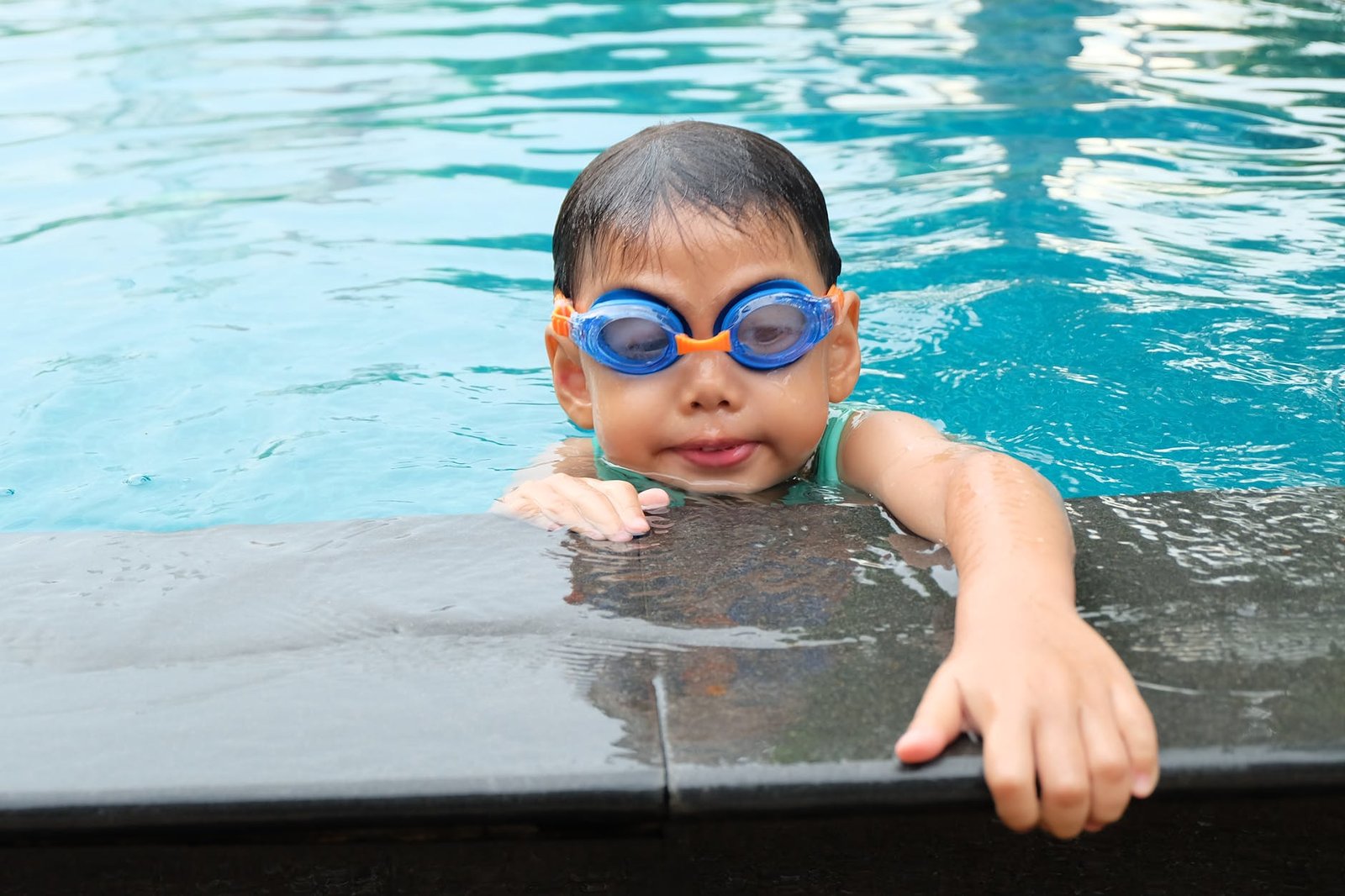
Comparison Table: Essential Kids Swimming Gear
| Gear Item | Best For | Why It Matters | Parent Buying Tip | Check Gear |
|---|---|---|---|---|
| Kids swim goggles | Eye protection and visibility | Helps kids see underwater and protects eyes from chlorine or salt | Choose soft seals, anti-fog lenses and UV protection | Check Goggles |
| Silicone swim cap | Hair control and comfort | Reduces hair tangling and helps goggles stay more stable | Silicone is usually softer and more durable than latex | Check Caps |
| Swim vest | Beginner confidence | Can provide buoyancy support for young learners under supervision | Choose a properly fitted USCG-approved vest when flotation is needed | Check Vests |
| Short swim fins | Technique and kicking drills | Helps kids feel body position and build kicking confidence | Use short, flexible fins under coach or parent supervision | Check Fins |
| Ear plugs / nose clip | Sensitive kids | May help children bothered by water in ears or nose | Use only if comfortable and age-appropriate | Check Set |
| Chlorine-resistant swimsuit | Lessons and regular pool use | Holds shape better and feels more secure during movement | Choose snug but not restrictive fit | Check Swimsuits |
| Microfiber towel + mesh bag | Pool organization | Keeps wet gear together and helps items dry faster | Pick a lightweight towel and ventilated mesh bag | Check Bags |
What Should Be in a Kids Swimming Gear Combo?
A complete kids swim gear combo should cover four things: safety, comfort, visibility and organization. Most children do not need every accessory immediately. Start with the essentials, then add training or comfort gear as the child becomes more confident.
Must-Have Items
- Kids swim goggles
- Comfortable swimsuit
- Towel
- Water bottle
- Mesh or wet gear bag
Useful Add-Ons
- Silicone swim cap
- Goggle case
- Swim vest for beginners
- Ear plugs for sensitive kids
- Backup goggles
Training Add-Ons
- Short swim fins
- Kickboard
- Pull buoy for older kids
- Practice swim cap
- Anti-fog spray for goggles
Best Swimming Gear Combos for Kids in 2026
Best Overall Starter Combo
1. Kids Swim Goggles + Swim Cap + Towel + Mesh Bag
This is the best starter combo for most children because it covers the basics without overloading parents with unnecessary gear. Goggles help kids see underwater, a cap keeps hair more controlled, a towel handles post-swim comfort, and a mesh bag keeps wet gear organized.
Choose this combo for swim lessons, pool play, vacation swimming or children who are starting to swim regularly.
Pros
- Covers the most useful beginner items
- Easy for parents to pack
- Works for lessons and casual pool days
- Helps kids build comfort and routine
- Affordable compared with buying advanced training gear
Cons
- Does not include flotation support
- Does not include training fins
- Kids may still need a better swimsuit for regular lessons
- Goggles must fit properly to avoid leaks
Verdict: Best first swimming gear combo for most kids starting lessons or pool practice.
Best for Beginner Safety
2. Kids Goggles + Swim Vest + Towel + Parent Supervision
For toddlers, preschoolers and early beginners, flotation support may be part of the swim setup. A properly fitted swim vest can help build confidence, but it should never be treated as a substitute for adult supervision or proper swim lessons.
This combo is best for children who are still learning body position, floating, kicking and basic water confidence.
Pros
- Helps early beginners feel more secure
- Useful for supervised pool play
- Good for younger kids still learning water confidence
- Pairs well with goggles and simple swim instruction
- Can reduce fear during early water exposure
Cons
- Does not replace adult supervision
- Children still need swim lessons and water safety education
- Poor fit can be unsafe or uncomfortable
- Not needed for confident independent swimmers
Verdict: Best for younger children who need supervised buoyancy support while learning water confidence.
Best for Lessons and Technique
3. Goggles + Swim Cap + Short Fins + Chlorine-Resistant Swimsuit
This is a stronger combo for kids who are already comfortable in the water and are starting regular lessons, junior swim practice or technique drills. Short fins can help kids feel proper body position and kicking rhythm when used correctly.
Training fins should be soft, short and age-appropriate. Long stiff fins are not ideal for most children because they can change kicking mechanics too much and may be harder to control.
Pros
- Good for regular swim lessons
- Short fins support kicking drills
- Swim cap and goggles improve routine
- Chlorine-resistant swimsuit lasts longer
- Useful for kids building technique
Cons
- Not necessary for first-time pool play
- Fins should be used with guidance
- Some pools may restrict fins in public lanes
- More expensive than a basic starter kit
Verdict: Best training combo for kids who already know basic water skills and are ready for structured practice.
Best for Sensitive Kids
4. Soft-Seal Goggles + Swim Cap + Ear Plugs + Nose Clip
Some children dislike swimming not because they hate water, but because they hate water in the eyes, ears or nose. This combo is for kids who are sensitive to splashing, chlorine irritation, ear discomfort or nose water.
Start gently. Not every child needs ear plugs or a nose clip. Use them only when they improve comfort and do not create extra frustration.
Pros
- Helpful for children bothered by water in ears or nose
- Soft goggles can reduce eye pressure
- May improve confidence in lessons
- Good for cautious or sensory-sensitive kids
- Easy to add gradually
Cons
- Not every child likes nose clips
- Ear plugs must fit correctly
- Small parts can be lost easily
- Should not distract from learning proper breathing skills
Verdict: Best comfort-focused combo for kids who struggle with water in eyes, ears or nose.
Best for Travel and Vacation
5. Kids Goggles + UV Swimwear + Microfiber Towel + Mesh Bag
For beach trips, hotel pools and family vacations, the best combo is lightweight, easy to pack and protective. Choose UV-friendly swimwear, goggles with UV protection, a quick-dry towel and a mesh bag that can hold wet gear after the swim.
Pros
- Great for vacations and hotel pools
- Easy to pack and carry
- Quick-dry towel saves space
- Mesh bag separates wet gear
- UV protection matters for outdoor swimming
Cons
- Does not include lesson-specific training gear
- Outdoor goggles may be too dark indoors
- Parents still need sunscreen and supervision
- Wet gear must be rinsed and dried after travel
Verdict: Best combo for family travel, beach days and vacation pool use.
Best Kids Swim Gear by Age
Age matters because toddlers, preschoolers and older kids need different levels of support. A toddler swim kit should focus on supervision, comfort and buoyancy support. A school-age swimmer may need better goggles, a durable swimsuit and light training accessories.
| Age Group | Recommended Gear | Main Priority |
|---|---|---|
| Toddlers | Properly fitted swim vest, towel, swim diaper if needed, sun protection | Safety, supervision and comfort |
| Preschoolers | Kids goggles, swim cap, swim vest if needed, towel, simple bag | Water confidence and gentle learning |
| Ages 6–8 | Goggles, cap, swimsuit, towel, mesh bag, optional ear plugs | Lessons, visibility and comfort |
| Ages 9–12 | Better goggles, chlorine-resistant suit, short fins, cap, mesh bag | Technique and regular practice |
| Junior swim team | Training goggles, backup goggles, cap, suit, fins, towel, gear bag | Consistency and training routine |
How to Choose Kids Swim Goggles
Goggles are usually the most important item in a kids swim gear combo. Poor goggles can leak, fog, pinch the nose, pull hair or make a child afraid to put their face in the water.
Look for kids goggles with:
- Soft silicone seals that do not dig into the face.
- Anti-fog coating for clearer lessons.
- UV protection for outdoor pools and vacations.
- Easy strap adjustment for parents.
- A comfortable nose bridge.
- A size that matches the child’s face, not adult goggles.
- A protective case if the goggles will be used often.
For more help, see our guide to the best swim goggles for kids.
Budget vs Premium Kids Swim Gear
Parents do not need to buy the most expensive gear immediately. Spend more on items that affect safety, fit and regular comfort. Save money on items your child may outgrow quickly.
| Gear | Budget Option Is Fine When | Upgrade When |
|---|---|---|
| Goggles | Your child swims occasionally | They swim weekly, complain about leaks, or need better anti-fog |
| Swim cap | Used only for basic hair control | Long hair, frequent lessons or cap discomfort are issues |
| Swimsuit | Used for casual pool play | Lessons or swim team cause regular chlorine exposure |
| Towel | Any towel works for occasional use | You travel or need quick-dry, compact packing |
| Gear bag | Small bag is enough for basic items | Your child carries fins, towel, cap, goggles and wet clothes |
| Swim vest | Never choose purely by price | Prioritize proper fit and safety approval |
Common Mistakes Parents Make When Buying Kids Swim Gear
Avoid these mistakes:
- Buying adult goggles for a child because they are cheaper.
- Choosing goggles only by cartoon color instead of fit.
- Relying on flotation gear instead of supervision.
- Buying long stiff fins for young beginners.
- Skipping a towel or wet bag, then tossing wet gear into a backpack.
- Using dark outdoor lenses in dim indoor pools.
- Ignoring hair pulling from straps.
- Letting kids store goggles loose with toys, keys or rough gear.
Kids Swim Bag Checklist
Use this checklist before swim lessons, pool days or vacation swimming.
Core Swim Bag
- Kids swim goggles
- Backup goggles if needed
- Swim cap
- Swimsuit
- Towel
- Water bottle
- Mesh bag or wet pouch
Optional Add-Ons
- Swim vest for beginners
- Ear plugs or nose clip
- Short fins for lessons
- Goggle case
- Sunscreen for outdoor pools
- Dry clothes
- Snack for after lessons
Frequently Asked Questions
What swim gear does a child need for lessons?
Most kids need comfortable swim goggles, a swimsuit, towel and water bottle for lessons. A swim cap, mesh bag and properly fitted flotation aid may also help depending on age, pool rules and skill level.
Are swim goggles necessary for kids?
Swim goggles are highly recommended because they protect children’s eyes from chlorine or salt and help them see underwater. Clear vision can make lessons less scary and more enjoyable.
Should kids wear a swim cap?
A swim cap is useful for keeping hair controlled, reducing tangles and helping goggle straps stay in place. Silicone caps are usually more comfortable and durable than latex caps for kids.
Are swim fins good for kids?
Short, flexible swim fins can help older kids practice kicking and body position, but they should be used under supervision or coach guidance. They are not necessary for very young beginners.
Are ear plugs and nose clips necessary for kids?
Not every child needs them. Ear plugs and nose clips may help kids who are sensitive to water in the ears or nose, but they should fit comfortably and not distract from learning water skills.
How do parents keep kids swim gear organized?
Use a mesh swim bag for wet gear, a goggle case for lenses, and a simple checklist before lessons. Rinse goggles and swimsuits after pool use and let everything air dry before storing.
Final Verdict
The best swimming gear combo for kids starts with the basics: comfortable kids swim goggles, a proper swimsuit, towel and mesh bag. Add a silicone cap for hair control, a swim vest for supervised beginners, and short fins only when the child is ready for technique practice.
For most families, the best first purchase is a good pair of anti-fog kids swim goggles. Once your child swims more often, upgrade the combo with a better swimsuit, goggle case, mesh bag and age-appropriate training gear.
Best Starting Point
Start with comfortable anti-fog kids goggles, then build the rest of the swim gear combo around your child’s age, confidence and lesson schedule.
