
Swim Technique Guide
Swim drills help you fix technique problems one skill at a time. Instead of swimming more laps with the same mistakes, drills slow the stroke down so you can improve body position, breathing, rotation, catch, kick, timing and efficiency.
This guide covers the top 10 swim drills for beginners, lap swimmers, triathletes and fitness swimmers. Each drill includes what it improves, how to do it, common mistakes and when to use it in a workout.
This article contains affiliate links. As an Amazon Associate, BestSwimGoggles.com may earn from qualifying purchases. This does not change the price you pay and does not control our editorial recommendations.
Quick Answer: What Are the Best Swim Drills?
The best swim drills are the ones that target the specific problem in your stroke. For most swimmers, the most useful drills are catch-up freestyle, fingertip drag, 6-kick switch, side kicking, sculling, single-arm freestyle, closed-fist freestyle, pull buoy drill, kickboard kick and breathing bubble drill.
These drills can help you improve:
- Freestyle body position and balance.
- Breathing timing and relaxed exhale.
- Shoulder and hip rotation.
- Catch feel and water pressure.
- Kick rhythm and leg position.
- Stroke timing and distance per stroke.
- Overall efficiency and swim confidence.
Do not rush drills. A drill is useful only if you slow down enough to feel the skill you are practicing.
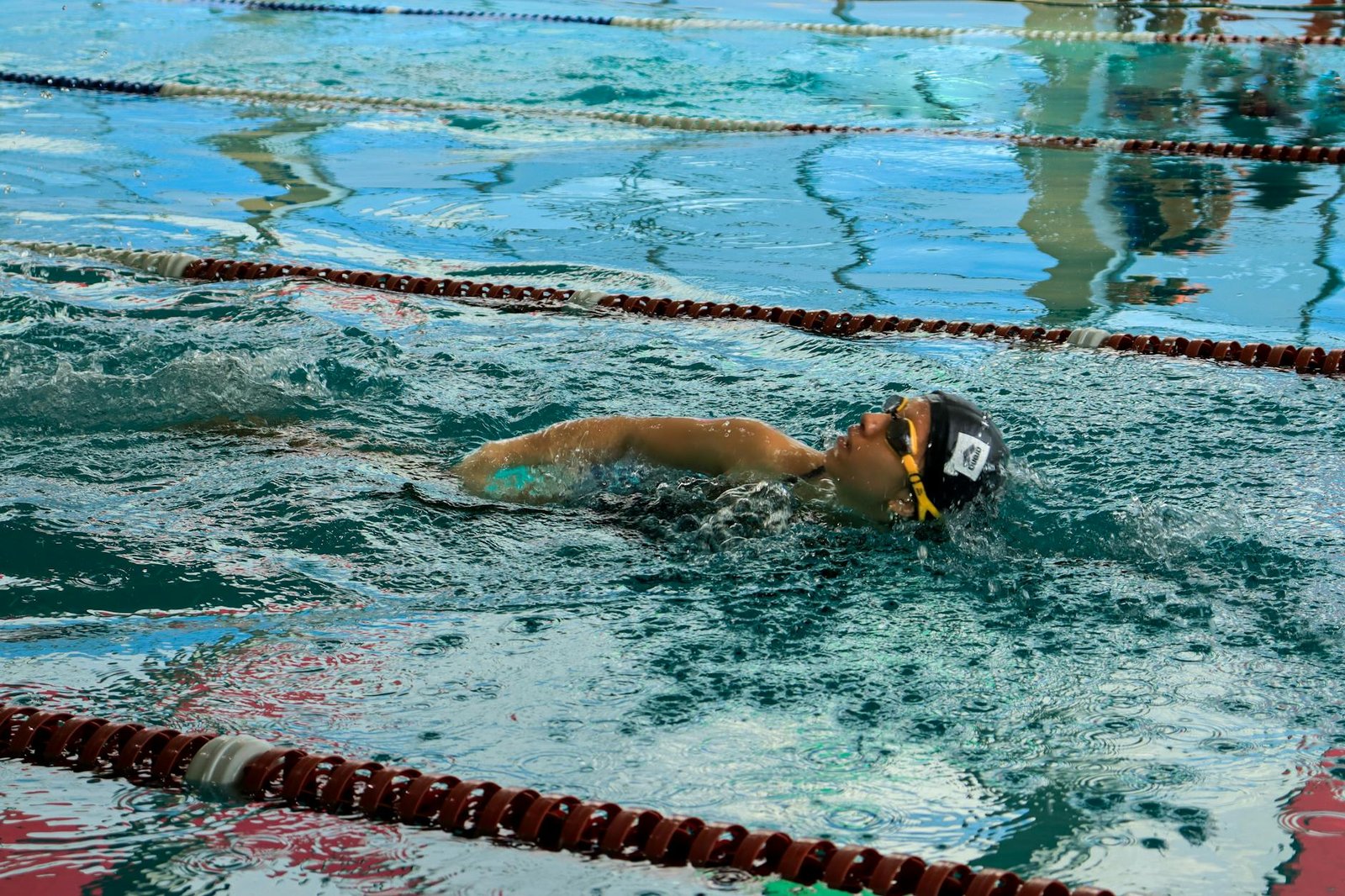
Top 10 Swim Drills Overview
Use this table to choose the right drill based on the skill you want to improve.
| Drill | Best For | Main Skill | Helpful Gear |
|---|---|---|---|
| Catch-Up Freestyle | Beginners and timing | Longer stroke and front-end control | None |
| Fingertip Drag | Recovery mechanics | Relaxed high-elbow recovery | None |
| 6-Kick Switch | Body rotation | Balance and side position | Training fins |
| Side Kicking | Breathing and balance | Head position and rotation | Training fins |
| Sculling | Catch feel | Feeling water pressure | Optional snorkel |
| Single-Arm Freestyle | Stroke timing | Catch, rotation and breathing | Optional fins |
| Closed-Fist Freestyle | Water feel | Forearm catch awareness | None |
| Pull Buoy Drill | Upper-body focus | Catch and body line | Pull buoy |
| Kickboard Kick | Leg endurance | Kick rhythm and propulsion | Kickboard |
| Bubble Breathing | Beginner breathing | Relaxed exhale underwater | None |
How to Use Swim Drills Correctly
Drills are not just “easy swimming.” They should have a purpose. Before each drill, decide what you are trying to feel. After each drill, swim a short normal freestyle length and try to carry that feeling into your full stroke.
Good Drill Practice
- Swim slowly and with control.
- Focus on one skill at a time.
- Rest enough to keep quality high.
- Use short distances like 25s and 50s.
- Follow each drill with easy normal swimming.
Common Drill Mistakes
- Rushing through the drill.
- Doing drills without knowing the purpose.
- Using gear to hide poor body position.
- Practicing while exhausted.
- Never transferring the drill into full stroke.
1. Catch-Up Freestyle Drill
Catch-up freestyle is one of the best swim drills for beginners because it slows down the stroke and helps you feel a longer body line. One hand waits in front while the other arm completes a full stroke, then the hands “catch up” before the next stroke begins.
| Improves | Stroke timing, front-end control, body length and patience |
| How to do it | Keep one arm extended forward while the other completes a stroke. Start the next stroke only when both hands meet in front. |
| Best distance | 4 x 25 or 6 x 25 easy pace |
| Common mistake | Over-gliding so long that the stroke becomes flat and stalled |
Use this drill when your freestyle feels rushed or your arms are windmilling without control.
2. Fingertip Drag Drill
Fingertip drag helps improve relaxed arm recovery. As your arm recovers over the water, lightly drag your fingertips along the surface. This encourages a bent elbow and reduces stiff, swinging recovery.
| Improves | High-elbow recovery, shoulder relaxation and hand path |
| How to do it | Swim freestyle and let your fingertips skim the water during recovery before entering forward. |
| Best distance | 4 x 25 drill, then 4 x 25 normal swim |
| Common mistake | Forcing the elbow too high and creating shoulder tension |
The goal is not to make a perfect shape. The goal is to keep the recovery relaxed and controlled.
3. 6-Kick Switch Drill
The 6-kick switch drill teaches balance, rotation and timing. You kick on one side for six kicks, then take a stroke and rotate to the other side.
| Improves | Body rotation, side balance, breathing position and timing |
| How to do it | Start on your side with one arm extended. Kick six times, then switch sides with one smooth stroke. |
| Best distance | 4 x 25 or 6 x 25 |
| Helpful gear | Training fins can help beginners stay balanced while learning. |
4. Side Kicking Drill
Side kicking is one of the best drills for swimmers who lift their head to breathe. It teaches you to stay long and balanced on your side while keeping the head calm.
| Improves | Balance, body position, breathing alignment and head control |
| How to do it | Kick on your side with one arm extended forward and the other by your side. Keep your head low and rotate slightly to breathe. |
| Best distance | 4 x 25 alternating sides |
| Common mistake | Looking forward instead of keeping the head aligned with the spine |
If breathing is your main challenge, read our guide to swimming breathing techniques.
5. Sculling Drill
Sculling helps swimmers feel water pressure with the hands and forearms. Instead of pulling hard, you make small sweeping movements to learn how the hand holds water.
| Improves | Catch feel, hand position, forearm awareness and water pressure |
| How to do it | Float or swim slowly while moving your hands in small inward and outward sweeps. Keep pressure on the water without pushing down. |
| Best distance | 4 x 25 easy scull |
| Common mistake | Moving the hands too fast and losing the feel of pressure |
Sculling is slow on purpose. If you rush it, you lose the main benefit.
6. Single-Arm Freestyle Drill
Single-arm freestyle isolates one side of the stroke so you can focus on catch, rotation, breathing and timing. The non-working arm can stay extended in front or by your side depending on the version.
| Improves | Catch timing, rotation, breathing coordination and stroke control |
| How to do it | Swim using only one arm for a length, then switch arms. Keep the body rotating and breathing calm. |
| Best distance | 4 x 25 right arm, 4 x 25 left arm |
| Common mistake | Crossing the hand over the center line during entry |
7. Closed-Fist Freestyle Drill
Closed-fist freestyle teaches you not to rely only on your hands. By swimming with fists closed, you are forced to use your forearms to hold water and improve catch awareness.
| Improves | Forearm catch, water feel and pulling efficiency |
| How to do it | Swim freestyle with closed fists for 25 yards/meters, then open your hands and feel the difference on the next length. |
| Best set | 4 rounds: 25 fist drill + 25 normal swim |
| Common mistake | Spinning the arms faster instead of feeling pressure through the forearms |
8. Pull Buoy Drill
A pull buoy supports the legs so you can focus on the upper body, catch, rotation and body line. It is useful when you want to isolate the pull without worrying about kick timing.
| Improves | Upper-body endurance, catch mechanics, body line and rotation |
| How to do it | Place the pull buoy between your thighs and swim freestyle while keeping the body long and stable. |
| Best set | 6 x 50 pull, easy-moderate pace |
| Common mistake | Letting the pull buoy hide poor body position instead of improving technique |
9. Kickboard Kick Drill
Kickboard kick drills help build leg endurance and teach a steady flutter kick. They are simple, but they should not be mindless. Focus on small, quick kicks from the hips, not big bicycle-style kicks from the knees.
| Improves | Kick rhythm, leg endurance, ankle flexibility and body position |
| How to do it | Hold the kickboard lightly and kick with relaxed ankles. Keep the kick narrow and steady. |
| Best set | 8 x 25 kick, rest 15–25 seconds |
| Common mistake | Kicking too big from the knees and creating drag |
10. Bubble Breathing Drill
Bubble breathing is simple but important. Many swimmers get tired quickly because they hold their breath underwater. This drill teaches a relaxed exhale, which makes swimming feel calmer.
| Improves | Breath control, relaxation, exhale timing and beginner confidence |
| How to do it | Put your face in the water and exhale bubbles slowly through your nose, mouth or both. Turn or lift to inhale, then repeat. |
| Best set | 5–10 relaxed repetitions before swimming |
| Common mistake | Holding the breath, then trying to exhale and inhale at the same time |
Sample Swim Drill Workout
Use this workout when you want a technique-focused session instead of a hard fitness set.
| Warm-up | 200 easy swim |
| Drill set 1 | 4 x 25 catch-up freestyle, rest 15 seconds |
| Swim set 1 | 4 x 50 easy freestyle, focus on longer stroke |
| Drill set 2 | 4 x 25 6-kick switch or side kicking |
| Swim set 2 | 4 x 50 freestyle, focus on rotation and breathing |
| Drill set 3 | 4 x 25 closed-fist freestyle |
| Cool-down | 100 easy swim |
Do this workout once a week and focus on cleaner movement, not faster times.
Helpful Gear for Swim Drills
You can do many drills without equipment, but simple training gear can help you isolate skills and make technique practice easier.
| Gear | Best For | Check Gear |
|---|---|---|
| Kickboard | Kick drills and beginner balance | Check Kickboards |
| Pull buoy | Pull drills and body-line practice | Check Pull Buoys |
| Training fins | Side kicking and rotation drills | Check Fins |
| Swim snorkel | Body position without turning to breathe | Check Snorkels |
| Swim paddles | Advanced catch awareness and pull strength | Check Paddles |
| Anti-fog goggles | Clear vision during technique practice | Check Goggles |
Common Swim Drill Mistakes
Avoid these mistakes:
- Doing drills too fast.
- Using drills as filler instead of focused practice.
- Practicing technique when too tired to control your stroke.
- Using fins or pull buoys to hide poor balance.
- Never connecting drills back to full-stroke swimming.
- Changing too many things at once.
- Skipping breathing practice.
- Ignoring leaking or fogging goggles that interrupt focus.
Frequently Asked Questions
What are the best swim drills for beginners?
The best swim drills for beginners are bubble breathing, side kicking, catch-up freestyle, fingertip drag and kickboard kick. These drills improve breathing, balance, stroke timing and confidence.
How often should I do swim drills?
Most swimmers can include drills in every workout as part of warm-up or technique work. Even 10 to 15 minutes of focused drill practice can help if done consistently.
Do swim drills make you faster?
Yes, swim drills can make you faster by improving efficiency. A better body position, cleaner catch and smoother breathing can help you swim faster with less wasted effort.
Should I use fins for swim drills?
Fins can help with balance and body position during drills like side kicking and 6-kick switch. However, they should support technique practice, not hide poor balance forever.
What drill improves freestyle breathing?
Bubble breathing, side kicking and 6-kick switch are useful for freestyle breathing because they teach relaxed exhaling, body rotation and better head position.
What is the best drill for improving the catch?
Sculling and closed-fist freestyle are two of the best drills for improving catch feel because they help swimmers feel water pressure through the hand and forearm.
Final Takeaway
The best swim drills help you slow down, feel the water and fix one part of your stroke at a time. Start with breathing and balance drills, then add catch, rotation, kick and timing drills as your technique improves.
For best results, do not just complete the drill. Pay attention to what the drill teaches, then swim a normal length while trying to keep the same feeling in your full stroke.
