
Swim Training Guide
Swimming faster is not just about pushing harder for more laps. Real speed and power come from clean technique, explosive push-offs, stronger pulls, better kick timing, race-pace control, and enough recovery to keep your stroke from falling apart.
This guide gives you practical swimming workouts for speed and power, including sprint sets, race pace training, pull strength, kick power, technique-under-speed drills, weekly planning, and common mistakes to avoid.
This article contains affiliate links. As an Amazon Associate, BestSwimGoggles.com may earn from qualifying purchases. This does not change the price you pay and does not control our editorial recommendations.
Quick Answer: How to Build Swim Speed and Power
To build swim speed and power, use short sprint repeats, race-pace intervals, strong kick sets, controlled paddle work, explosive push-offs, and technique drills performed at higher speed. The key is quality: swim fast while keeping a clean catch, stable body line, controlled breathing, and consistent timing.
The most useful speed-and-power ingredients are:
- Short 25-yard or 25-meter sprints with enough rest.
- Race-pace 50s or broken 100s to hold speed under pressure.
- Kick sets for leg drive, body position, and finishing speed.
- Pull sets for catch strength and upper-body power.
- Technique drills that carry into fast swimming.
- Recovery swims so your stroke does not collapse from fatigue.
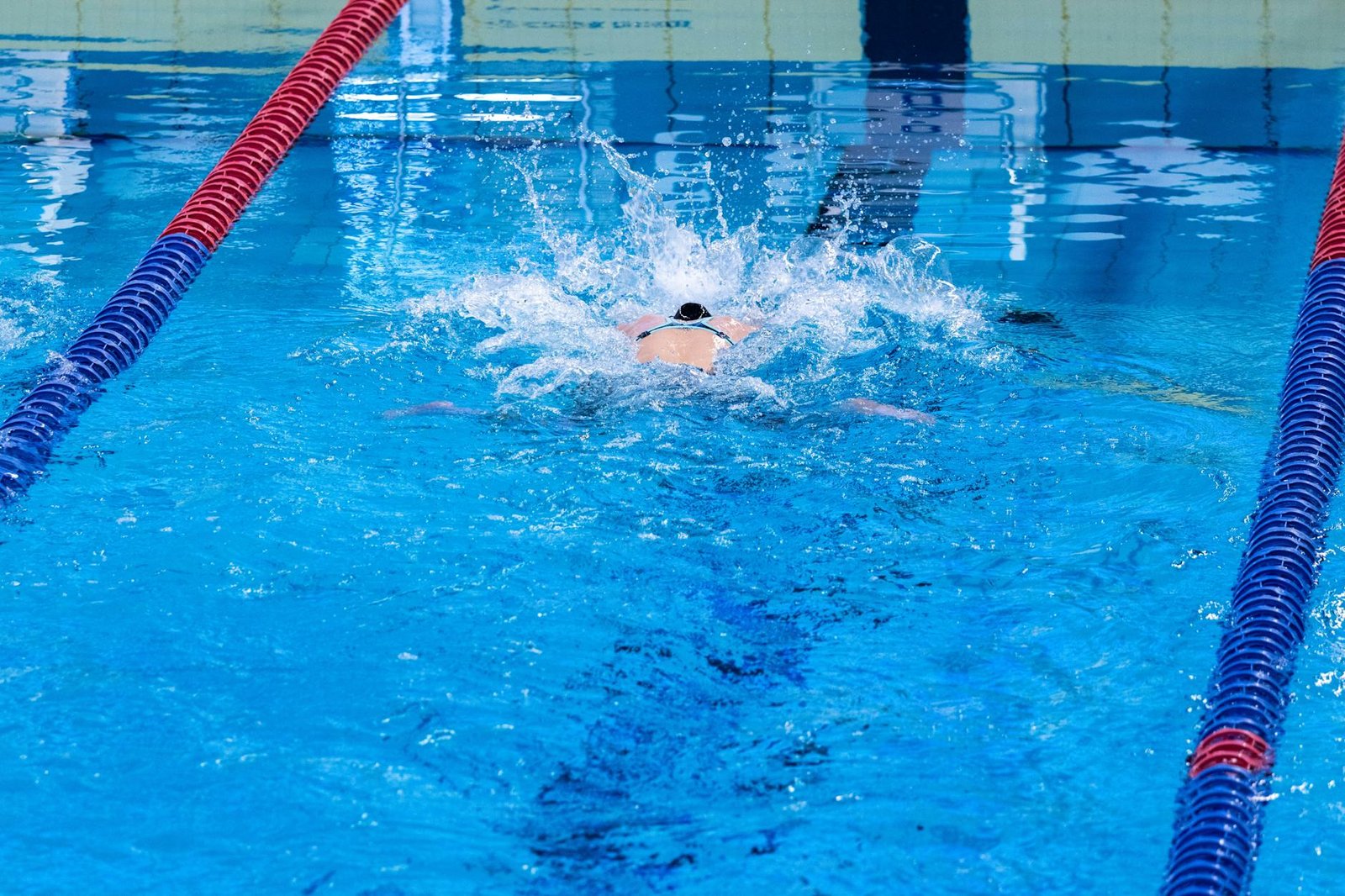
Why Speed and Power Training Works
Speed training teaches your nervous system to move faster while keeping good stroke mechanics. Power training helps you apply more force to the water through a stronger catch, kick, push-off, and breakout.
The mistake many swimmers make is turning every speed session into a long fatigue set. That may build toughness, but it often teaches the body to swim slower with worse form. True speed work should be fast, focused, and repeatable.
Speed Training Builds
- Faster stroke tempo
- Better acceleration
- Sharper starts and push-offs
- More confident race pace
- Faster finishing speed
Power Training Builds
- Stronger catch
- More force per stroke
- Better kick drive
- Improved body position
- More explosive walls and breakouts
Speed and Power Workout Overview
Use this table to choose a set based on your current goal. You do not need to do all of these in one session.
| Workout Type | Best For | Main Focus | Helpful Gear |
|---|---|---|---|
| Sprint 25s | Raw speed | Fast turnover and clean acceleration | Tempo trainer |
| Race Pace 50s | Holding speed | Consistent fast repeats | Smart swim tracking |
| Paddle Pull Sets | Upper-body power | Catch pressure and pull strength | Swim paddles |
| Kick Power Sets | Leg drive | Kick strength and body position | Swim fins |
| Drill-to-Sprint Sets | Technique at speed | Holding form while swimming fast | Swim snorkel |
Before You Start: Warm Up for Speed
Never jump straight into all-out sprinting. A proper warm-up prepares your shoulders, hips, ankles, breathing rhythm, and nervous system for fast swimming.
Start Easy
Swim 200–400 easy with relaxed breathing and long strokes.
Add Drill Work
Use 4 x 50 drill/swim to prepare the catch, rotation, and body line.
Build Speed Gradually
Swim 4 x 25 build from smooth to fast before the main sprint set.
If your shoulders feel sharp, pinchy, or unstable during warm-up, skip paddle work and all-out sprints that day.
Workout 1: Pure Sprint 25s for Top-End Speed
This set is for raw speed. The repeats are short, so every 25 should feel fast and technically clean.
| Warm-up | 300 easy swim + 4 x 50 build |
| Main set | 12 x 25 fast with generous rest |
| Focus | Explosive push-off, clean breakout, fast hands, stable body line |
| Cool-down | 200 easy swim |
Do not shorten the rest just to make the set harder. Speed sets need enough rest so you can actually swim fast.
Workout 2: Race Pace 50s for Controlled Speed
Race pace training helps you learn what fast but sustainable swimming feels like. The goal is consistent repeat times, not one heroic first repeat followed by a slow collapse.
| Warm-up | 400 easy mixed swim + 4 x 25 build |
| Main set | 8 x 50 at target race pace |
| Recovery option | 100 easy after every 4 repeats |
| Cool-down | 200 relaxed swim |
Swimmers who struggle with pacing may benefit from a pace clock, swim watch, or smart goggles. See our guide to the best swimming apps for tracking workouts and progress.
Workout 3: Paddle Pull Set for Power
Paddle work can build catch awareness and upper-body power, but it must be controlled. Bigger paddles are not always better, especially if your shoulders are not ready.
| Warm-up | 300 swim + 4 x 50 drill/swim |
| Main set | 6 x 100 pull, moderate-fast, smooth pressure |
| Power finish | 4 x 25 strong pull, no slipping water |
| Cool-down | 200 easy choice |
Start with small paddles. If your shoulders hurt, stop the set and swim easy.
Workout 4: Kick Power Set for Stronger Legs
A stronger kick helps with sprint speed, body position, turns, breakouts, and finishing power. You do not need to kick hard all the time, but you should train the ability to kick fast when it matters.
| Warm-up | 300 easy swim + 4 x 25 kick build |
| Main set | 8 x 50 kick: 25 fast / 25 easy |
| Fins option | 6 x 25 fast kick with fins, full recovery |
| Cool-down | 200 easy swim |
Workout 5: Broken 100s for Race Power
Broken swims let you practice race-speed swimming with short rest. This helps you connect sprint speed with race execution.
| Warm-up | 500 easy mixed swim + drills |
| Main set | 4 rounds of 4 x 25 at race speed with 10 seconds rest |
| Recovery | 100 easy between rounds |
| Cool-down | 300 relaxed swim |
Add the four 25s together and compare the total with your goal race pace. This is a simple way to see whether your speed is becoming useful race speed.
Workout 6: Drill-to-Sprint Technique Set
Many swimmers look smooth when swimming easy but lose form when they sprint. This set teaches you to carry one technical focus into fast swimming.
| Warm-up | 300 easy swim |
| Main set | 8 x 50: 25 drill / 25 fast swim |
| Focus | Carry the drill feeling into the fast 25 |
| Cool-down | 200 easy swim |
A swim snorkel can help you focus on head position, body line, and catch timing without interrupting the drill with breathing.
Check swim snorkels.
Best Gear for Speed and Power Training
Training gear is helpful when it supports a specific purpose. It should not replace good technique, but the right tools can make speed and power sets more effective.
| Gear | Best For | How It Helps | Check Gear |
|---|---|---|---|
| Swim Paddles | Pull power | Builds catch awareness and pulling strength | Check Gear |
| Swim Fins | Kick speed | Improves ankle rhythm and speed feel | Check Gear |
| Kickboard | Leg strength | Isolates kick work | Check Gear |
| Pull Buoy | Pull focus | Helps isolate upper-body rhythm | Check Gear |
| Swim Snorkel | Technique under speed | Helps maintain body line without breathing interruption | Check Gear |
| Tempo Trainer | Stroke rate control | Helps train consistent tempo and pacing | Check Gear |
Weekly Speed and Power Swim Plan
Do not train speed hard every day. Speed and power improve best when hard sets are balanced with easy technique, aerobic swimming, and recovery.
| Day | Workout Focus | Intensity |
|---|---|---|
| Day 1 | Race pace 50s + technique | Moderate-hard |
| Day 2 | Easy aerobic swim or recovery | Easy |
| Day 3 | Paddle pull power + kick set | Moderate-hard |
| Day 4 | Rest or easy technique swim | Easy |
| Day 5 | Sprint 25s + broken 100s | Hard quality |
| Day 6 | Long easy swim or open-water practice | Easy-moderate |
| Day 7 | Rest | Recovery |
Common Mistakes in Speed and Power Training
Avoid these mistakes:
- Turning every sprint set into a fatigue set.
- Skipping warm-up before all-out swimming.
- Using paddles that are too large too soon.
- Doing hard speed work every day without recovery.
- Ignoring turns, push-offs, and breakouts.
- Using fins to hide poor body position.
- Never timing repeats or tracking progress.
- Continuing paddle work through shoulder pain.
When to Add Gear or Upgrade Your Setup
You do not need every training tool at once. Start with the basics: a good swimsuit, goggles that do not leak, and a clear workout plan. Add gear only when it solves a specific training problem.
Add Gear If
- You need more pull strength.
- Your kick is weak or inconsistent.
- You struggle to hold body position.
- You want better pacing feedback.
- You are training for a race goal.
Skip Gear If
- You are still learning basic technique.
- Gear makes your stroke worse.
- Your shoulders hurt with paddles.
- You are using fins for every fast swim.
- You are buying tools instead of training consistently.
For swimmers who want clearer pacing and progress tracking, compare the best swimming apps. For pool training visibility and comfort, see our guide to the best swim goggles.
Frequently Asked Questions
What is the best swimming workout for speed?
Short sprint repeats such as 12 x 25 fast with full recovery are one of the best ways to build top-end swimming speed. The goal is fast, clean swimming, not exhaustion.
How do swimmers build power?
Swimmers build power with strong pull sets, controlled paddle work, kick power sets, explosive push-offs, race-pace repeats, and good recovery between hard sessions.
Are swim paddles good for power?
Swim paddles can help build catch awareness and pulling power, but they should be used carefully. Start with smaller paddles and stop if you feel shoulder pain.
How often should I do speed workouts?
Most swimmers do well with one or two focused speed sessions per week, depending on ability and recovery. Too much hard sprint work can lead to fatigue and poor technique.
Do fins make you swim faster?
Fins help you feel speed, improve ankle rhythm, and build kick strength, but they do not replace good body position or technique. Use them as a training tool, not a shortcut.
What is race pace training in swimming?
Race pace training means swimming repeats at or near your target race speed while trying to hold consistent times and clean technique.
Final Takeaway
The best swimming workouts for speed and power are short, focused, and technically clean. Use sprint 25s for raw speed, race-pace 50s for controlled speed, paddle pull sets for strength, kick sets for leg drive, and drill-to-sprint work to keep technique under pressure.
Train fast, but do not train sloppy. Speed improves when your body learns to move quickly with control.
