
Swim Goggle Fit Guide
Leaky swim goggles can turn a good swim into a frustrating one. Water sneaks in near the nose, one lens fills during laps, or the seal breaks every time you push off the wall. In most cases, the problem is not that you need to tighten the strap harder — it is that the goggle shape, nose bridge, gasket, or strap position is not working with your face.
This guide explains how to keep swim goggles from leaking, how to test the seal before you swim, what to adjust first, and when it is smarter to replace the goggles instead of fighting with the same leaky pair.
This article contains affiliate links. As an Amazon Associate, BestSwimGoggles.com may earn from qualifying purchases. This does not change the price you pay and does not control our editorial recommendations.
Quick Answer: How to Keep Swim Goggles from Leaking
To keep swim goggles from leaking, start by checking the seal without the strap, adjust the nose bridge, place the strap higher on the back of your head, avoid over-tightening, and choose a frame shape that matches your face. If water always leaks near the nose or one eye, the goggles may be the wrong shape for you.
Start with these fixes:
- Press the goggles gently to your face without the strap and test the seal.
- Adjust or change the nose bridge if your goggles include multiple pieces.
- Position the strap slightly higher, not straight across the lowest part of your head.
- Tighten gently, but do not crank the strap down until it hurts.
- Check that hair, swim cap edges, or sunscreen are not under the gasket.
- Try a different frame shape if leaks always happen in the same place.
- Replace old goggles when the gasket is stiff, warped, cracked, or no longer seals.
A good seal should come mostly from the gasket shape matching your face. The strap helps hold the goggles in place, but it should not be the only thing preventing leaks.
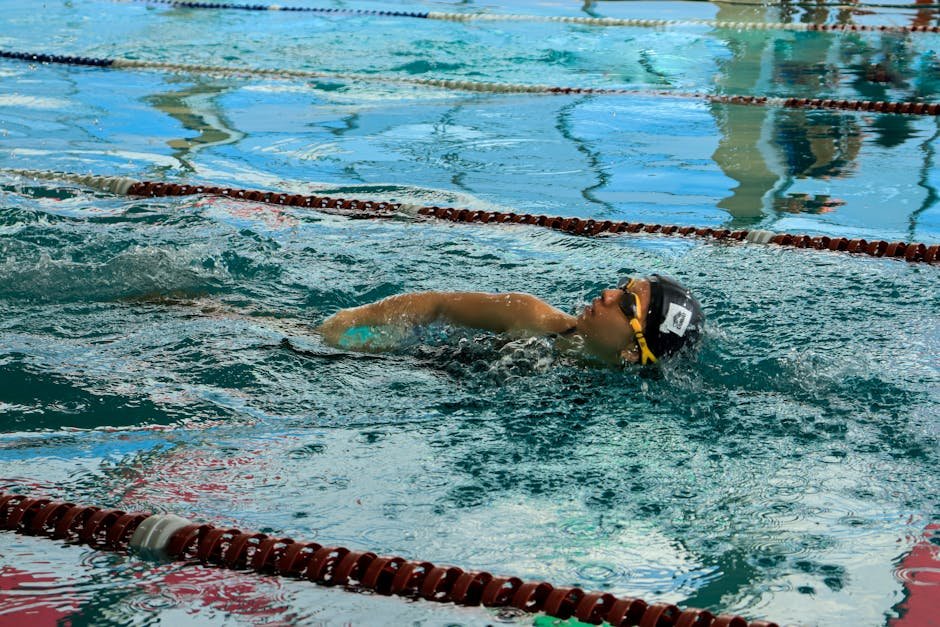
Why Swim Goggles Leak
Swim goggles leak when the gasket does not sit evenly against your skin. That can happen because the frame is too wide, too narrow, too deep, too shallow, or because the nose bridge pulls the lenses into the wrong position.
Leaks can also happen when the strap sits too low, the goggles are too tight, the gasket is old, or a swim cap edge or hair breaks the seal.
| Leak Problem | Likely Cause | What to Try |
|---|---|---|
| Leaks near the nose | Nose bridge or inner lens shape does not match your face | Change nose piece or try a narrower/wider frame |
| One lens leaks | Uneven seal, strap angle, or face-shape mismatch | Reset the goggles and adjust strap position |
| Leaks after push-off | Strap may sit too low or goggles are not stable | Move strap higher and test during practice |
| Leaks only after a few laps | Goggles shift as you swim or face warms up | Improve strap angle or try a more stable frame |
| Leaks even when tight | Wrong goggle shape or worn gasket | Replace goggles instead of tightening more |
9 Ways to Keep Swim Goggles from Leaking
Fix 1
1. Test the Seal Without the Strap
Before tightening anything, press the goggles gently against your eye sockets without putting the strap over your head. If the goggles briefly hold a light suction seal, the frame shape is probably close to right.
If they fall off immediately or leak air around one side, the gasket shape may not match your face. Tightening the strap may only make them hurt without fixing the leak.
Fix 2
2. Adjust the Nose Bridge
Many training and racing goggles include interchangeable nose pieces. If the bridge is too wide, the inner corners may leak. If it is too narrow, the lenses can pull inward and create pressure or gaps.
Try a different nose piece before giving up on the goggles. A small change at the bridge can completely change the seal.
Fix 3
3. Place the Strap Higher on Your Head
If the strap sits too low, it can pull the goggles downward and break the seal near the top or inside corners. Move the strap slightly higher on the back of your head so it supports the goggles evenly.
For racing goggles, test the strap position during push-offs and turns before using them in a meet.
Fix 4
4. Stop Over-Tightening the Strap
Over-tightening can distort the gasket, create pressure points, and make leaks worse. It can also leave deep marks around your eyes and make the goggles uncomfortable after a few minutes.
Tighten just enough to hold the seal. If that is not enough, the goggles may be the wrong shape.
Fix 5
5. Clear Hair, Cap Edges, and Sunscreen from the Gasket
Hair, swim cap edges, sunscreen, moisturizer, or facial hair can interrupt the gasket seal. This is especially common near the temples and nose bridge.
Before swimming, run a finger around the gasket area and make sure the silicone sits directly on clean skin.
Fix 6
6. Match the Goggle Shape to Your Face
Some swimmers need narrow socket-style goggles, while others do better with a wider training frame or mask-style open-water goggles. There is no single shape that fits everyone.
If compact racing goggles always leak, try a wider comfort model. If large goggles leak around the outer edges, try a more compact frame.
Fix 7
7. Replace Old or Warped Gaskets
Goggle gaskets can stiffen, warp, or lose flexibility over time. Chlorine, sunlight, heat, and rough storage all speed this up.
If the silicone no longer feels soft or does not spring back into shape, replacement is usually better than fighting leaks every swim.
Fix 8
8. Test Goggles Before Race Day or Swim Lessons
Never wait until race day, a long swim, or your child’s lesson to test a new pair. Leaks often appear during push-offs, diving, turning, or repeated breathing patterns.
Test new goggles in a short practice session first so you can adjust the strap, nose bridge, and cap position calmly.
Fix 9
9. Choose a Different Type of Goggle If Needed
If you have tried every adjustment and the goggles still leak, switch styles. A swimmer with a small face may need a narrower frame. A recreational swimmer may prefer a softer comfort goggle. An open-water swimmer may need a wider mask-style fit.
The right goggle is the one that seals gently and stays comfortable for your swim, not the one that looks best in the package.
Best Goggles to Consider If Yours Keep Leaking
If your current goggles keep leaking despite proper adjustment, a different frame shape may help. These are useful starting points for common fit needs.
| Goggle | Best For | Why Consider It | Check Price |
|---|---|---|---|
| Speedo Vanquisher 2.0 | Lap swimmers | Interchangeable nose pieces help fine-tune fit | Check Deal |
| Aqua Sphere Kayenne | Wide-view comfort | Larger frame may help swimmers who dislike narrow goggles | Check Deal |
| TheMagic5 Custom Fit | Hard-to-fit faces | Custom-fit approach for repeated leaking problems | Check Deal |
| Speedo Biofuse 2.0 | Comfort-focused swimmers | Softer feel for swimmers who dislike firm pressure | Check Deal |
| Aegend Swim Goggles | Budget and backup use | Affordable option for casual swimmers and families | Check Deal |
Leaking by Swimmer Type
Different swimmers usually need different fixes. A child in lessons, a lap swimmer, and a triathlete may all have leaking goggles for different reasons.
| Swimmer Type | Common Leak Cause | Best Fix |
|---|---|---|
| Kids | Wrong size, hair under gasket, over-tight strap | Use soft youth goggles and adjust gently |
| Lap swimmers | Nose bridge mismatch or worn gasket | Try different nose pieces or replace old goggles |
| Racers | Strap position during starts and turns | Test strap angle before race day |
| Outdoor swimmers | Frame shifts during sighting or waves | Use a stable wider-view goggle |
| Small-face swimmers | Frame too wide | Try narrow, junior, or custom-fit options |
What Not to Do with Leaky Swim Goggles
Many swimmers make leaking worse by trying to solve every issue with strap tension. A painful strap is rarely the right long-term fix.
Avoid these mistakes:
- Over-tightening until the goggles hurt.
- Ignoring leaks near the nose bridge.
- Using adult goggles on young kids.
- Buying a race goggle when you mainly need comfort.
- Using old goggles with stiff or cracked gaskets.
- Testing a new pair for the first time on race day.
- Assuming the most expensive pair will automatically fit best.
When to Replace Leaky Goggles
Replace your goggles if they leak even after fit adjustments, the gasket is stiff or warped, the strap is stretched out, or the lenses no longer sit evenly on your face.
Replacement is usually smarter if:
- The gasket feels hard instead of soft.
- The goggles only seal when painfully tight.
- Water always enters at the same point.
- The strap slips or no longer holds adjustment.
- The frame is cracked, warped, or uneven.
- You have tried multiple nose pieces without success.
For replacement ideas, see our guide to the best swim goggles in 2026.
Frequently Asked Questions
Why do my swim goggles keep leaking?
Swim goggles usually leak because the gasket does not match your face shape, the nose bridge is wrong, the strap sits poorly, or the gasket is old and no longer flexible.
Should I tighten my goggles to stop leaks?
Tighten them only enough to hold the seal. If the goggles only stop leaking when they are painfully tight, the frame or nose bridge probably does not fit your face well.
Why do goggles leak near the nose?
Leaks near the nose usually mean the nose bridge is too wide, too narrow, or the inner lens shape does not match your face. Try a different nose piece or a different frame shape.
How do I test swim goggles before buying?
Press the goggles gently to your face without using the strap. If they hold a light seal for a moment, the shape is more likely to work. If they fall away immediately, try another style.
Why do kids swim goggles leak?
Kids goggles often leak because the frame is too large, the strap is over-tightened, hair is under the gasket, or the child is using adult-sized goggles instead of youth-sized goggles.
When should I replace leaky goggles?
Replace goggles when the gasket is stiff, cracked, warped, or when water leaks in even after adjusting the strap, nose bridge, and fit.
Final Takeaway
The best way to keep swim goggles from leaking is to focus on fit first. Test the seal without the strap, adjust the nose bridge, place the strap correctly, and avoid over-tightening. If the goggles still leak in the same place every swim, they are probably the wrong shape or too worn out.
A better-fitting pair is usually more comfortable than a painfully tight pair. For help choosing a replacement, start with our guide to the best swim goggles in 2026.
Need Better-Fitting Goggles?
If your current pair leaks no matter how you adjust it, compare our top picks for lap swimming, kids, anti-fog, racing, polarized lenses, and budget use.
