
Swim Goggles Technique & Care Guide
Proper swim goggles usage starts before you jump into the pool: choose the right fit, position the lenses correctly, adjust the strap without over-tightening, protect the anti-fog coating, rinse after swimming and store the goggles safely.
This guide combines technique and care so swimmers can reduce leaks, prevent fogging, avoid painful pressure marks and make goggles last longer.
This article contains affiliate links. As an Amazon Associate, BestSwimGoggles.com may earn from qualifying purchases. This does not change the price you pay and does not control our editorial recommendations.
The goggles should seal before the strap is extremely tight.
Strap tension should stabilize the fit, not crush the frame.
The inside lens coating can be damaged by wiping.
Fresh water and a case prevent many common problems.
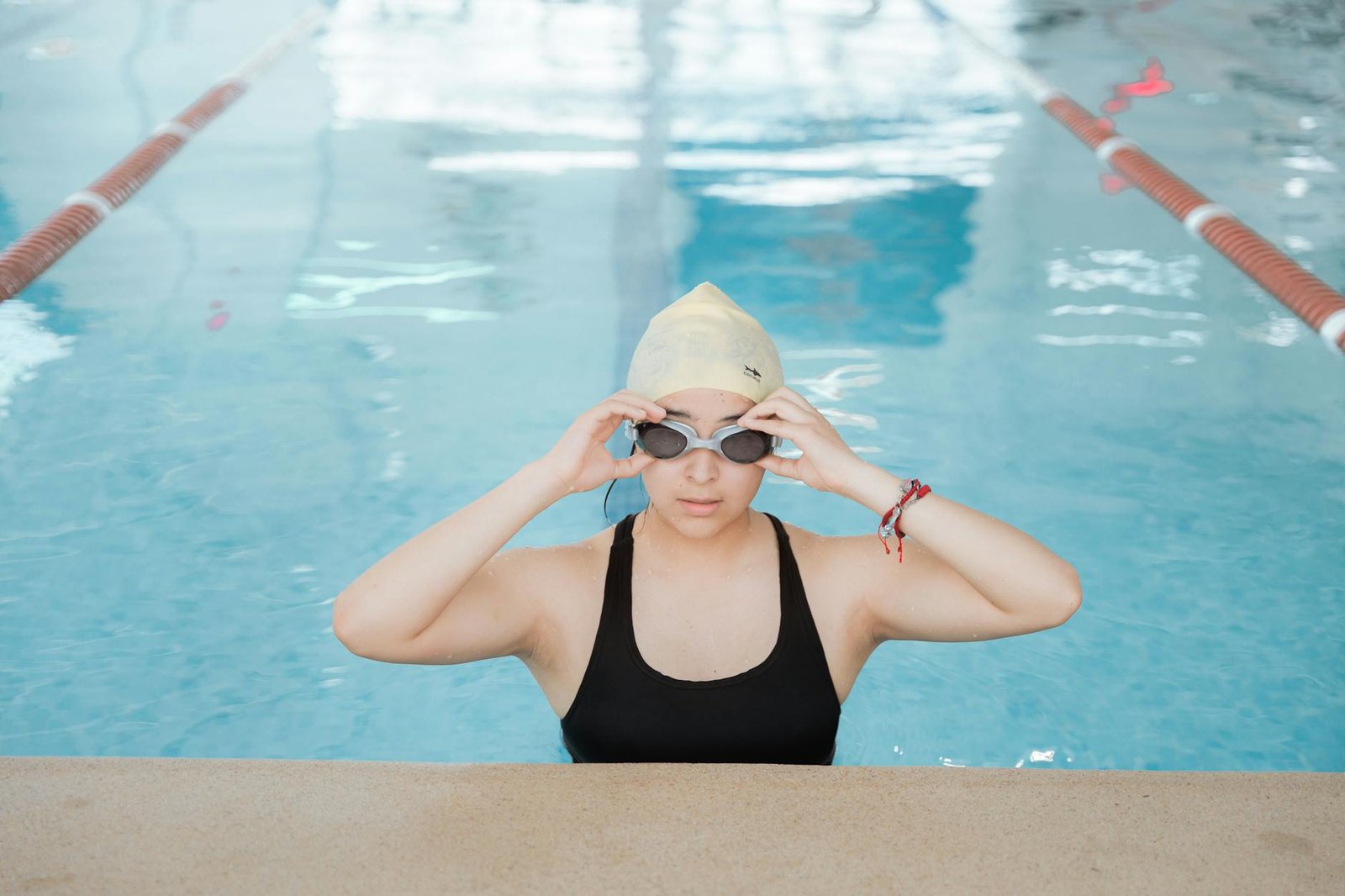
Quick Answer: How Should You Use and Care for Swim Goggles?
Use swim goggles by placing the lenses evenly over your eyes, checking for a gentle seal, then tightening the strap only enough to keep them stable. Before swimming, wet your face and press the goggles lightly into place. After swimming, rinse them with cool fresh water, avoid rubbing the inside lens, air dry them in the shade and store them in a case.
The most common mistakes are over-tightening the strap, touching the inside lens, leaving goggles loose in a swim bag and using the wrong lens type for the pool or outdoor conditions.
The Proper Swim Goggles Technique
Wet your face: Goggles usually seal better on a wet face than on completely dry skin.
Place the lenses: Position each eyecup evenly around the eye socket or soft tissue area.
Do the seal test: Press gently without using the strap. A brief suction means the shape is close.
Set the strap: Place it flat behind the head and tighten only enough to hold the seal.
Test in water: Push off, breathe and turn. If leaks continue, adjust fit or try a different frame.
Fit Problems and Fast Fixes
| Problem | Likely Cause | Try This |
|---|---|---|
| Leaking near nose | Nose bridge too wide or narrow | Change nose bridge or try a different frame shape |
| Leaking at outer corners | Frame too narrow/wide for face | Try wider comfort goggles or smaller socket goggles |
| Pain around eyes | Strap too tight or gasket too firm | Loosen strap or switch to a softer gasket |
| Goggles slide down | Strap position or loose adjustment | Move strap higher and tighten slightly |
| Fogging early | Anti-fog damage, heat/moisture buildup | Avoid rubbing and use goggle-safe anti-fog |
How Tight Should Swim Goggles Be?
Swim goggles should feel secure, not painful. A common mistake is pulling the strap tighter every time water leaks in. If the frame shape is wrong, more strap tension can distort the gasket and make leaking worse.
Do
- Start with a gentle seal test.
- Adjust the nose bridge if available.
- Keep the strap flat and balanced.
- Use a comfort frame for long sessions.
Do not
- Crush the lenses into your face.
- Use pain as proof of a good seal.
- Ignore repeated leaks.
- Wear adult goggles on small faces if they gap.
Anti-Fog Usage and Care
Many swim goggles have a delicate anti-fog coating on the inside lens. This coating helps visibility, but it is easy to damage if you rub it with fingers, towels or paper.
Anti-fog rule
Rinse the inside lens gently and let it air dry. Do not scrub the inside lens. If fogging returns often, use a goggle-safe anti-fog product rather than household cleaners.
Proper Care After Every Swim
A simple post-swim routine protects the lenses, strap, gasket and anti-fog coating.
Rinse: Use cool fresh water to remove chlorine, salt, sweat and sunscreen.
Do not wipe inside: Let the anti-fog coated lens dry naturally.
Air dry: Dry in shade before closing the goggles in a case.
Store: Use a protective case so lenses do not scratch in your bag.
Inspect: Check seals, straps and lenses for wear before the next swim.
Usage Tips by Swimming Situation
| Situation | Best Practice | Why It Matters |
|---|---|---|
| Lap swimming | Comfortable seal with moderate strap tension | Reduces pressure during longer sessions |
| Racing | Test goggles during starts and turns before race day | Prevents leaks at speed |
| Open water | Use wider view and outdoor lens tint | Improves visibility and confidence |
| Kids | Use child-sized frames and avoid over-tightening | Comfort improves willingness to swim |
| Outdoor pool | Use UV-protective smoke, mirrored or polarized lenses | Reduces brightness and glare |
When Proper Care Is Not Enough
Even well-maintained goggles eventually wear out. Replace them when they no longer seal, stay clear or feel comfortable.
Persistent leaks
If leaks remain after adjustment, the gasket or frame may no longer fit.
Constant fog
The anti-fog coating may be worn or damaged.
Scratched lenses
Scratches reduce visibility and can distract during swimming.
Stretched straps
A slipping strap makes fit unreliable.
Common Mistakes
Over-tightening
Tight straps can cause pain and may distort the seal.
Touching inside lenses
Rubbing can damage anti-fog coating.
Skipping water test
Dry fit does not always predict push-off leaks.
Using one lens for all conditions
Clear, mirrored and polarized lenses serve different environments.
Leaving goggles loose in a bag
Lenses scratch quickly next to bottles, fins and keys.
Keeping worn-out goggles
Old seals, straps and coatings can cause leaks and fog.
Frequently Asked Questions
How do you properly use swim goggles?
Place the lenses evenly, check for a gentle seal, set the strap flat behind your head and tighten only enough to hold the goggles stable.
Should swim goggles be tight?
They should be secure but not painful. If they only seal when extremely tight, the fit or frame shape may be wrong.
How do you stop swim goggles from fogging?
Avoid rubbing the inside lens, rinse gently, let goggles air dry and use a goggle-safe anti-fog product when needed.
How should you clean swim goggles?
Rinse with cool fresh water after each swim, avoid harsh cleaners, do not wipe the inside lens and air dry before storage.
Why do my goggles leak?
Leaks usually come from poor frame fit, wrong nose bridge spacing, over-tightening, worn gaskets or a strap that slips.
How should you store swim goggles?
Let them dry, then store them in a protective case away from sharp or rough items in your swim bag.
Final Takeaway
Mastering swim goggles is simple: choose a frame that fits, seal before tightening, avoid rubbing the inside lens, rinse after every swim, air dry and use a case. These habits reduce leaks, fogging, discomfort and premature lens damage.
If your goggles still leak, fog constantly or hurt after proper adjustment, it is time to try a different fit or replace the pair.
