
Swim Technique Guide
Swimming breathing feels difficult for many beginners because water changes the rhythm completely. On land, you can breathe whenever you want. In the pool, you need to exhale underwater, turn at the right time, inhale quickly, and return your face to the water without lifting your head too high.
This guide explains practical swimming breathing techniques for beginners, lap swimmers, triathletes, and anyone who gets tired too quickly in the water. You will learn how to breathe in freestyle, how to exhale properly, when to use bilateral breathing, which drills help most, and what mistakes to avoid.
This article contains affiliate links. As an Amazon Associate, BestSwimGoggles.com may earn from qualifying purchases. This does not change the price you pay and does not control our editorial recommendations.
Quick Answer: What Is the Best Breathing Technique for Swimming?
The best swimming breathing technique is to exhale steadily underwater, rotate your body instead of lifting your head, take a quick relaxed inhale to the side, and return your face to the water before your stroke rhythm breaks. Good breathing should feel connected to your body rotation, not like a separate panic movement.
Core breathing rules:
- Exhale underwater instead of holding your breath.
- Turn your head with body rotation, not by lifting upward.
- Keep one goggle partly in the water when breathing in freestyle.
- Inhale quickly and calmly through the mouth.
- Return your face to the water before your stroke falls apart.
- Practice breathing on both sides, but do not force bilateral breathing if it destroys your form.
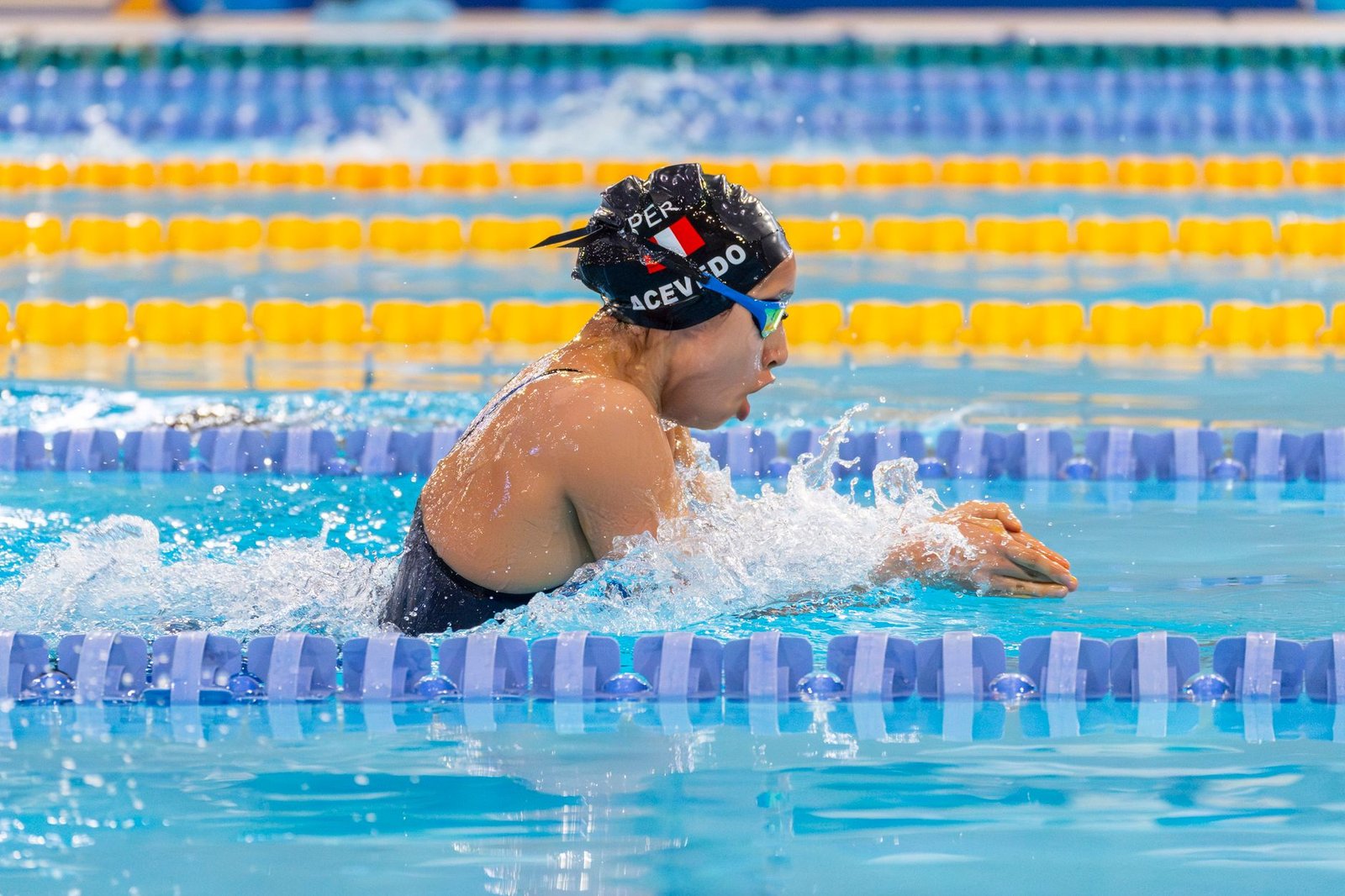
Why Breathing Feels Hard in Swimming
Most swimmers do not struggle because they are “bad at breathing.” They struggle because they try to breathe in the water the same way they breathe on land. In swimming, the timing is different. You need to create a breathing rhythm around your stroke.
The most common problem is breath holding. If you keep air trapped in your lungs until the moment you turn to breathe, you have to exhale and inhale at the same time. That creates panic, head lifting, sinking legs, and early fatigue.
What Good Breathing Does
- Keeps your body more relaxed
- Reduces panic and breathlessness
- Helps your legs stay higher
- Supports smoother freestyle rotation
- Makes longer swims feel easier
What Poor Breathing Causes
- Head lifting
- Sinking hips and legs
- Short, rushed strokes
- Neck tension
- Feeling out of breath after one length
The Simple Breathing Pattern Most Swimmers Should Learn First
Before worrying about advanced breathing patterns, start with a simple rhythm: exhale while your face is in the water, rotate to breathe, inhale quickly, and return to the water smoothly.
Face in Water: Exhale
Blow bubbles gently through your nose or mouth while your face is in the water. Do not hold your breath until the last second.
Rotate: Do Not Lift
Turn your head with your shoulders and hips. Your mouth should reach air because your body rotates, not because you lift your head high.
Inhale Quickly
Take a quick relaxed breath through the mouth. Avoid gasping or trying to take a giant breath every time.
Return to Neutral
Put your face back in the water and continue exhaling. Your head should return before the next stroke becomes rushed.
Freestyle Breathing Technique
Freestyle breathing is the breathing technique most swimmers want to improve first. The goal is to breathe without stopping your forward momentum.
| Part of the Breath | What to Do | Common Mistake |
|---|---|---|
| Before breathing | Exhale steadily underwater | Holding your breath |
| Head movement | Turn with body rotation | Lifting the head forward |
| Eye position | One goggle in, one goggle out | Looking straight ahead |
| Inhale | Quick mouth breath | Trying to inhale too much |
| Return | Face back down smoothly | Leaving the head turned too long |
Think “roll to air,” not “lift to air.” Lifting the head usually drops the hips and makes swimming harder.
Should You Breathe Every 2, 3, 4 or 5 Strokes?
There is no single perfect breathing pattern for every swimmer. The right pattern depends on your speed, fitness, distance, stroke balance, and comfort.
| Breathing Pattern | Best For | Watch Out For |
|---|---|---|
| Every 2 strokes | Beginners, distance swimming, easy pace | Can create one-sided rotation habits |
| Every 3 strokes | Bilateral breathing practice and stroke balance | May feel oxygen-limited for beginners |
| Every 4 strokes | Short controlled sets | Can become breath holding |
| Every 5 strokes | Advanced control drills | Not ideal for long relaxed swimming |
For most beginners, breathing every 2 strokes is fine at first. Once you feel relaxed, add bilateral breathing drills instead of forcing every swim to be bilateral.
Bilateral Breathing: When It Helps and When It Does Not
Bilateral breathing means breathing to both sides, often every 3 strokes. It can improve stroke balance, body rotation, and open-water awareness. But it should not become a rule that makes you feel oxygen-starved.
Bilateral Breathing Helps When
- You rotate better to one side than the other
- You want a more balanced freestyle stroke
- You swim open water and need awareness both ways
- You are doing technique drills
- You want to reduce one-sided neck strain
Do Not Force It When
- You are gasping every breath
- Your form collapses
- You are doing hard distance intervals
- You are a beginner still learning to exhale
- You need more oxygen for a race pace effort
Best Swimming Breathing Drills
Breathing improves faster when you practice specific drills instead of only swimming full laps and hoping it gets better.
| Drill | How to Do It | What It Teaches |
|---|---|---|
| Bubble breathing | Stand or float, face in water, exhale bubbles slowly | Relaxed underwater exhale |
| Side kicking | Kick on your side with one arm extended, rotate to breathe | Body rotation and head position |
| 6-kick switch | Kick on one side for 6 kicks, switch sides, breathe with rotation | Timing and balance |
| Catch-up freestyle | One arm waits in front while the other completes a stroke | Slower breathing timing |
| Single-arm freestyle | Swim with one arm while focusing on side breathing | Breath timing with rotation |
| Snorkel drill | Use a swim snorkel to remove side breathing temporarily | Body position and exhale rhythm |
Beginner Breathing Workout
Use this simple workout if you feel out of breath quickly. The goal is not speed. The goal is relaxed exhale, smoother head movement, and less panic.
| Warm-up | 4 x 25 easy swim, rest as needed |
| Drill 1 | 4 x 25 bubble breathing or easy freestyle with steady exhale |
| Drill 2 | 4 x 25 side kicking, switch sides each length |
| Main set | 6 x 50 easy freestyle, breathe every 2 strokes, focus on no head lift |
| Cool-down | 100 easy swim or backstroke |
You are improving if each breath feels less rushed, even if your speed does not change yet.
Breathing Technique for Open Water Swimming
Open-water breathing is harder because waves, glare, cold water, and other swimmers can interrupt your rhythm. You need to breathe comfortably on your normal side but also practice breathing to the opposite side when conditions demand it.
Open-water breathing tips:
- Practice breathing away from waves or chop.
- Learn to breathe on both sides for better visibility.
- Use sighting separately from breathing when possible.
- Keep exhaling underwater even when conditions feel stressful.
- Use tinted or polarized goggles for bright water glare.
For outdoor visibility, see our guide to the best goggles for open water swimming.
Common Swimming Breathing Mistakes
Avoid these mistakes:
- Holding your breath underwater.
- Lifting your head instead of rotating.
- Trying to take a huge breath every time.
- Looking forward while breathing.
- Leaving your head turned too long.
- Forcing bilateral breathing before you can exhale calmly.
- Swimming too fast while learning breathing technique.
- Ignoring leaking or fogging goggles that interrupt your rhythm.
Helpful Gear for Breathing Practice
Gear will not fix poor breathing by itself, but it can make drills easier and help you focus on one skill at a time.
| Gear | Why It Helps | Check Gear |
|---|---|---|
| Anti-fog goggles | Clear vision helps you stay relaxed and maintain head position | Check Goggles |
| Kickboard | Useful for beginner breathing drills and kicking practice | Check Kickboards |
| Pull buoy | Helps isolate upper body rhythm and breathing timing | Check Pull Buoys |
| Training fins | Can support body position while learning side breathing | Check Fins |
| Swim snorkel | Lets you practice body position without turning to breathe | Check Snorkels |
Frequently Asked Questions
How should beginners breathe while swimming?
Beginners should focus on exhaling slowly underwater, rotating the head to the side to inhale, and returning the face to the water without lifting the head high.
Why do I get out of breath so fast when swimming?
Many swimmers get out of breath because they hold their breath underwater, swim too fast, lift their head to breathe, or try to exhale and inhale at the same time.
Should I breathe through my nose or mouth when swimming?
Most swimmers inhale through the mouth and exhale underwater through the nose, mouth, or both. The key is to keep exhaling underwater instead of holding your breath.
Is bilateral breathing necessary?
Bilateral breathing is useful for balance and open-water awareness, but it is not mandatory for every swim. Beginners should first learn relaxed exhaling and clean side breathing.
How often should I breathe in freestyle?
Many swimmers breathe every 2 strokes for easy swimming and every 3 strokes for bilateral practice. The best pattern is the one that gives enough oxygen without breaking your stroke.
How do I stop lifting my head when breathing?
Practice side kicking, 6-kick switch, and one-goggle-in breathing. Focus on rotating your body to air instead of lifting your face forward.
Final Takeaway
Better swimming breathing starts with one skill: exhale underwater. Once you stop holding your breath, side breathing becomes calmer, your head lifts less, your legs stay higher, and your stroke rhythm improves.
Start slow, practice breathing drills, use clear goggles that do not leak or fog, and focus on relaxed timing before speed. Good breathing is not about taking the biggest breath. It is about breathing at the right time without disturbing your stroke.
