
Swim Training Tips
Dryland core exercises help swimmers hold a cleaner body line, rotate more efficiently, control breathing timing and transfer power from the kick through the pull. You do not need a gym or a long workout. A focused 15-minute core routine, done two to three times per week, can make your stroke feel more stable in the water.
This guide explains the best dryland core exercises for swimmers, how each one connects to swimming technique, how often to train, and how to build a simple routine without overtraining your lower back or shoulders.
Quick Answer: What Core Exercises Should Swimmers Do?
Swimmers should focus on core exercises that build stability, rotation control and body-line strength. The best choices include front planks, side planks, dead bugs, flutter kicks, Russian twists, superman holds, bird dogs, hollow holds and medicine ball slams if you have access to equipment.
Best dryland core exercises for swimmers:
- Front plank for streamline stability.
- Side plank for rotation and body roll control.
- Dead bug for opposite-arm, opposite-leg coordination.
- Flutter kicks for lower core and kick control.
- Russian twists for controlled rotation.
- Superman hold for posterior-chain support.
- Bird dog for balance and anti-rotation strength.
- Medicine ball slams for explosive core power.
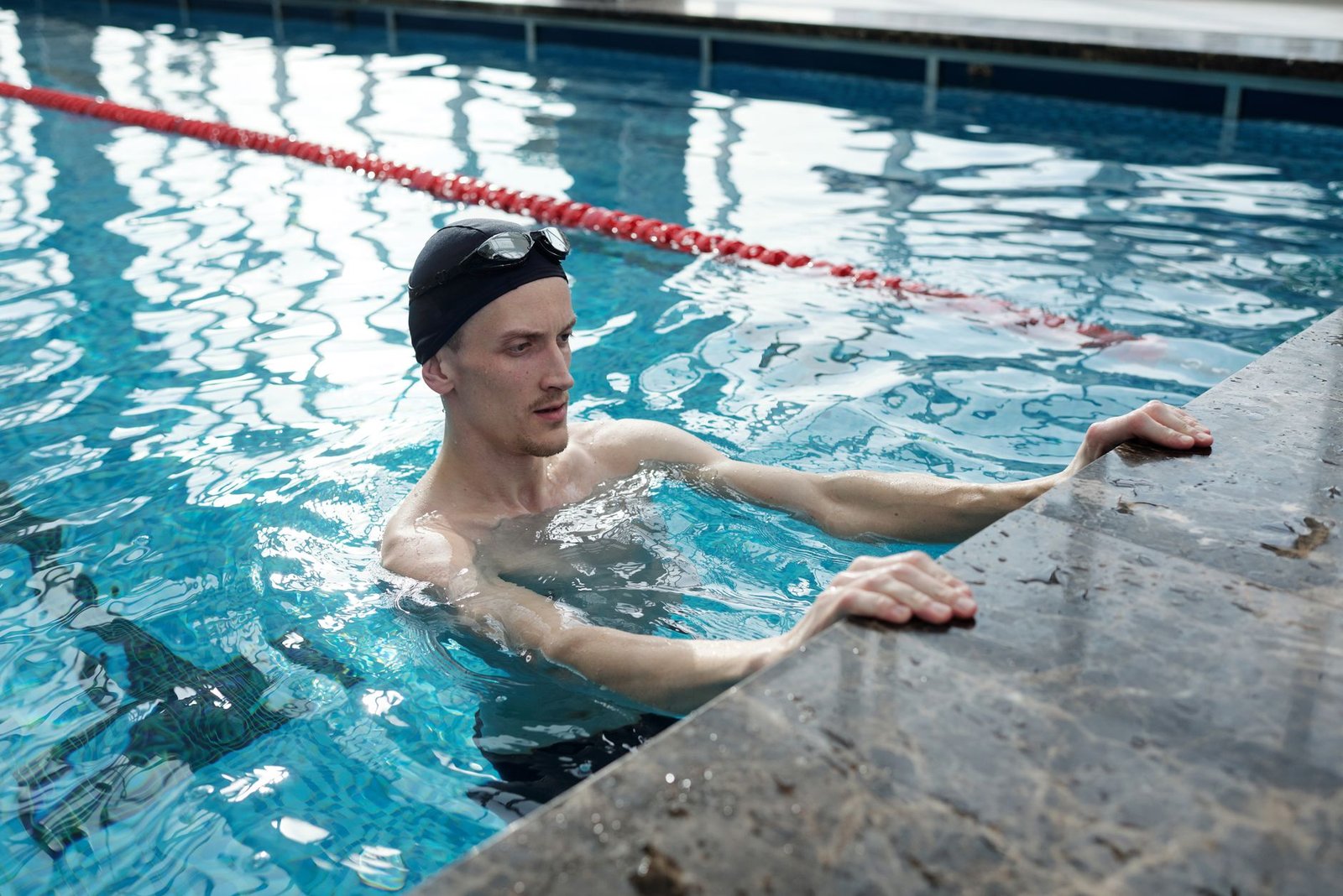
Why Core Training Matters for Swimmers
Swimming is not just arms and legs. The core connects the kick, hips, torso, shoulders and breathing rhythm. When the midsection is weak or unstable, swimmers often lose body position, rotate poorly, drop the hips or waste energy fighting the water.
A Strong Core Helps You
- Hold a better streamline.
- Reduce drag by keeping hips higher.
- Rotate smoothly in freestyle and backstroke.
- Control breathing without lifting the head too much.
- Improve starts, turns and underwater control.
- Transfer kick power into the stroke.
A Weak Core Can Lead To
- Hips dropping late in a set.
- Over-rotation or flat swimming.
- Lower-back fatigue during kicking.
- Sloppy breathing mechanics.
- Less control off walls.
- Stroke breakdown during long swims.
Core Exercises That Actually Help Swimmers
These movements are practical, low-equipment and easy to scale. Beginners should start with short holds and perfect control. Competitive swimmers can add rounds, time or resistance.
| Exercise | Swimming Benefit | Beginner Target | Common Mistake |
|---|---|---|---|
| Front plank | Streamline stability and body-line control | 3 x 20–40 sec | Letting hips sag |
| Side plank | Freestyle/backstroke rotation control | 2 x 20–30 sec per side | Rolling forward or backward |
| Dead bug | Opposite-arm/opposite-leg coordination | 2 x 8 reps per side | Arching the lower back |
| Flutter kicks | Lower-core control for kick mechanics | 3 x 20–30 sec | Kicking too high or arching the back |
| Russian twists | Controlled rotation for body roll | 2 x 16–20 reps | Rushing side to side |
| Superman hold | Lower-back, glute and posterior-chain support | 3 x 20–30 sec | Cranking the neck upward |
| Bird dog | Balance and anti-rotation strength | 2 x 8 reps per side | Twisting the hips |
| Medicine ball slams | Explosive core power for starts and turns | 3 x 8–10 reps | Using only the arms |
1. Front Plank
The front plank trains the long, stable body line swimmers need in streamline and fast swimming. Keep elbows under shoulders, legs straight and hips level. Stop the set when your lower back starts doing the work.
2. Side Plank
Side planks build the muscles that keep freestyle and backstroke rotation controlled. Stack shoulders and hips, press the floor away and avoid rolling forward or backward.
3. Dead Bug
Dead bugs teach the core to stay stable while the arms and legs move. Keep the lower back gently pressed toward the floor. If your back arches, shorten the range of motion.
4. Flutter Kicks on Your Back
Flutter kicks mimic lower-core control for freestyle and backstroke kicking. Keep the movement small, controlled and supported through the trunk.
5. Russian Twists
Russian twists help with controlled rotation when performed slowly. Keep the movement deliberate; do not swing side to side with momentum.
6. Superman Hold
Superman holds train the lower back, glutes and upper back. Lift slightly, think long and stable, and avoid cranking the neck upward.
7. Bird Dog
Bird dogs build balance and anti-rotation strength. Extend one arm and the opposite leg while keeping the hips square to the floor.
8. Medicine Ball Slams
Medicine ball slams are optional for advanced swimmers who want explosive core work for starts and turns. Start light and skip this movement if it bothers your back or shoulders.
15-Minute Dryland Core Routine for Swimmers
This routine is simple enough for home training and useful after swim practice. Rest 20 to 40 seconds between exercises as needed.
| Exercise | Time / Reps | Focus |
|---|---|---|
| Front plank | 40 sec | Body-line stability |
| Side plank | 25 sec each side | Rotation control |
| Dead bug | 8 reps each side | Coordination |
| Flutter kicks | 30 sec | Lower-core control |
| Russian twists | 20 total reps | Controlled rotation |
| Superman hold | 25 sec | Posterior-chain support |
| Bird dog | 8 reps each side | Anti-rotation strength |
How Often Should Swimmers Train Core?
Most swimmers do well with two to three core sessions per week. More is not always better. If core work makes your lower back sore, your form or volume may need adjustment.
Common Dryland Core Mistakes Swimmers Make
Avoid these mistakes:
- Doing every exercise as fast as possible.
- Letting the lower back arch during flutter kicks or dead bugs.
- Holding planks with hips sagging.
- Training core hard every day without recovery.
- Ignoring rotation control and only doing crunches.
- Using heavy medicine balls before mastering bodyweight form.
- Pushing through sharp back or shoulder pain.
- Skipping warm-up before explosive exercises.
Helpful Dryland Gear for Swimmers
| Gear | Why It Helps | Check Gear |
|---|---|---|
| Exercise mat | Protects elbows, knees and back during floor work | Check Mats |
| Medicine ball | Adds explosive core power for advanced swimmers | Check Medicine Balls |
| Resistance bands | Useful for shoulder activation and dryland warm-ups | Check Bands |
| Foam roller | Helps with recovery after swim and dryland sessions | Check Foam Rollers |
Frequently Asked Questions
What is the best core exercise for swimmers?
The front plank and side plank are two of the best core exercises for swimmers because they train body-line stability and rotation control.
How often should swimmers do dryland core exercises?
Most swimmers should do dryland core exercises two to three times per week for 10 to 20 minutes.
Do core exercises make you swim faster?
Core exercises can help swimmers swim faster by improving body position, reducing drag, supporting rotation and helping maintain technique when tired.
Should swimmers do crunches?
Crunches are not the most useful core exercise for swimmers. Stability, anti-rotation and controlled rotation exercises usually transfer better to swimming.
Can kids do dryland core exercises for swimming?
Yes, but kids should use bodyweight exercises, short holds and careful form. Avoid heavy medicine balls unless supervised by a qualified coach.
When should swimmers do core work?
Swimmers can do core work after swim practice, on dryland days or as a short separate session.
Final Takeaway
Dryland core exercises help swimmers build the stability, rotation control and body-line strength needed for more efficient swimming. Start with planks, side planks, dead bugs, flutter kicks and superman holds, then add more challenging movements as your control improves.
A focused 15-minute routine, done consistently two to three times per week, can support better technique, stronger turns and more stable swimming when fatigue sets in.
