
Are mirrored swim goggles worth it?
Mirrored lenses look fast on the block, but they are not automatically the best lens for every swimmer. The real question is where you swim, how bright the water is, and whether you need less light or better visibility.
Affiliate disclosure: This guide includes Amazon affiliate links to mirrored swim goggles and related accessories worth comparing. If you buy through those links, we may earn a small commission at no extra cost to you.
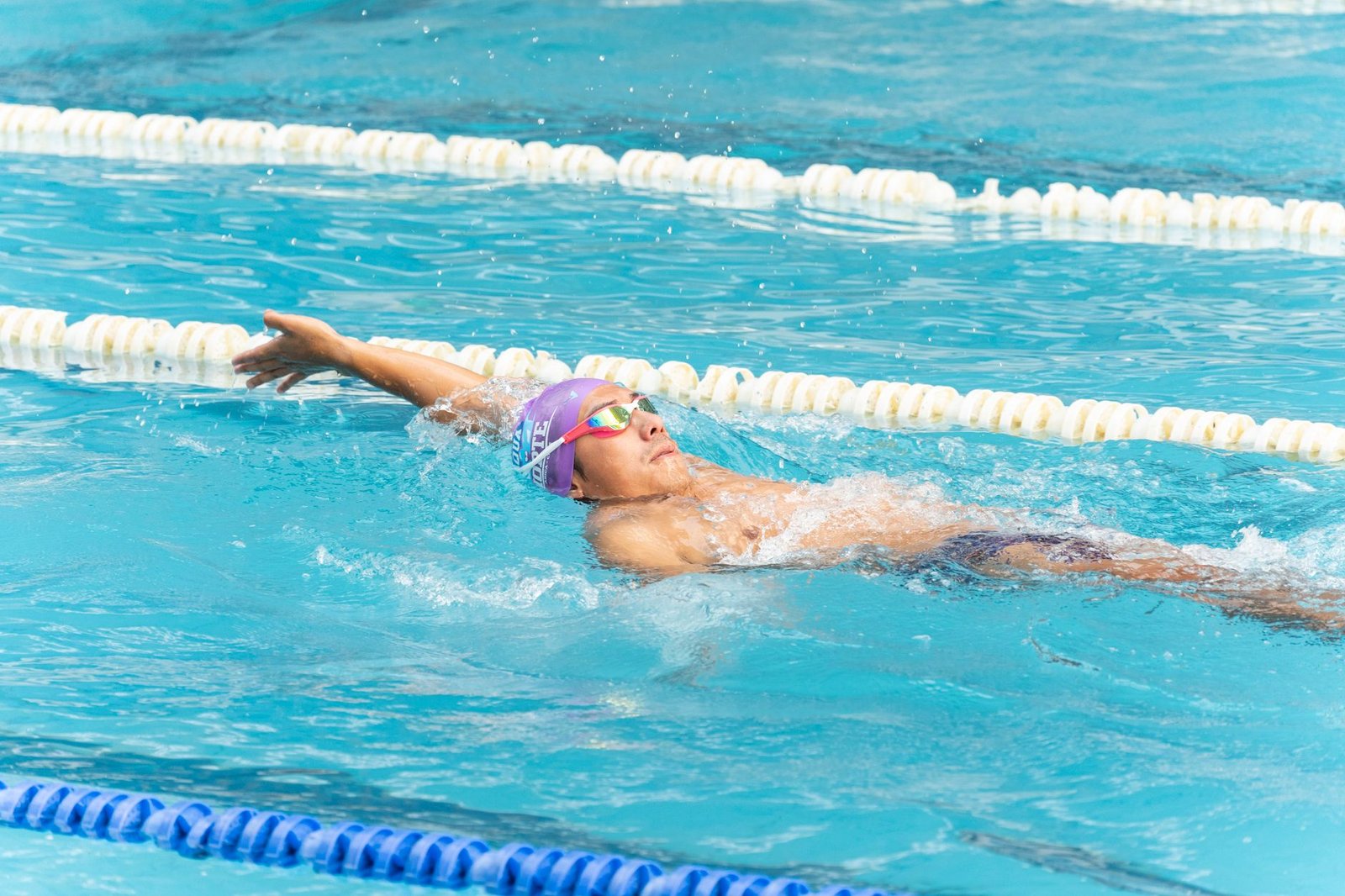
The first mirrored pair I bought made me feel faster before I even got wet. They had that sharp, reflective look you see in warm-up lanes at a meet: serious, clean, a little intimidating. Then I wore them in a dim evening practice and spent the first twenty minutes feeling like someone had turned the pool lights down.
That is the problem with mirrored swim goggles. They can be excellent. They can also be completely wrong. A mirror coating is not a magic upgrade. It is a light filter. If the water is too bright, that filter can calm everything down. If the pool is already dim, it can make lane lines, walls, and other swimmers harder to read.
So, are mirrored swim goggles worth it? Yes, if you swim in bright pools, race under strong lights, train outdoors, or hate squinting through glare. No, if most of your swimming happens in low-light indoor pools, early morning lanes, or cloudy open-water conditions where you need every bit of light you can get.
What mirrored lenses actually do
A mirrored lens reflects some light away before it reaches your eyes. That is why it feels calmer in a bright pool or sunny outdoor lane. The water surface looks less harsh. The ceiling lights feel less sharp. On a race day, the blocks and pool deck can feel less visually busy.
But the mirror coating does not automatically remove reflected glare the way a polarized lens is designed to. A mirrored lens mainly reduces brightness. A polarized lens is built to cut certain reflected glare patterns, especially sunlight bouncing off water. That difference matters if you are comparing mirrored goggles with polarized swim goggles for outdoor swimming.
Mirrored goggles are worth it when brightness is the problem. They are not worth it when darkness is already the problem.
If you remember only one thing, remember that. Mirror is a brightness decision first, a style decision second.
The swimmers who usually like mirrored goggles
Mirrored goggles make the most sense for swimmers who spend time under harsh light. That includes outdoor pool swimmers, summer league swimmers, competitive swimmers racing in bright natatoriums, and lap swimmers who train during daytime hours when the water reflects light straight into the eyes.
They also appeal to racers because they create a more focused feeling behind the lens. Some swimmers like not having their eyes visible before a race. That is not a performance feature in the technical sense, but confidence matters on the block. If a mirrored pair fits well and helps you feel calm, that has value.
Bright outdoor pool: mirrored lenses often feel useful. They reduce the sharpness of sun and reflected water.
Bright indoor competition pool: mirrored lenses can help if overhead lights bother you or you race frequently.
Dim indoor lap pool: mirrored lenses can feel too dark, especially during evening swims.
Open water glare: mirrored lenses can help with brightness, but polarized lenses may be better if reflected glare is the main issue.
Where mirrored goggles disappoint people
The disappointment usually comes from buying the look instead of the use case. A swimmer sees a mirrored racing goggle online, wears it to a dim community pool, and wonders why the water looks flat. The goggles are not necessarily bad. They are simply solving a problem the swimmer does not have.
The other mistake is ignoring fit. A mirrored coating cannot rescue a bad seal. If the gasket leaks, the strap pinches, or the nose bridge presses into your face, the lens finish becomes irrelevant. Fit still comes first. Lens comes second.
This is especially true with racing-style mirrored goggles. Many of them sit closer to the eye and use a lower-profile gasket. That can feel fast and secure for one swimmer and painfully sharp for another. If you already struggle with pressure marks, read the guide to soft gasket vs hard gasket swim goggles before choosing a race-style mirrored pair.
Mirrored goggles worth comparing
Rather than buying the flashiest lens, compare mirrored goggles by the kind of swimming you actually do. A comfortable mirrored trainer and a low-profile race goggle can look similar in a product photo but feel completely different in the water.
Speedo Vanquisher 2.0 MirroredA familiar starting point for lap swimmers and high school swimmers who want a compact mirrored goggle without jumping straight into an elite racing frame. Worth comparing if you want performance feel at a reasonable price.
Arena Cobra Ultra Swipe MirrorA race-focused direction for swimmers who want a sleeker, lower-profile fit and mirrored lens performance. Better for swimmers who already know they like a more technical goggle feel.
Speedo Speed Socket 2.0 MirroredA classic choice to compare if you like a leaner racing feel but still want something many competitive swimmers use for meets and fast practice sets.
TYR Blackops 140 EV MirroredWorth a look for swimmers who want a sporty mirrored option with a slightly different fit profile than the Speedo/Arena feel. As always, dry fit matters more than brand loyalty.
Aegend Mirrored Swim GogglesA budget-friendly direction for casual outdoor swimming or backup use. Not every swimmer needs a race goggle to benefit from a mirrored lens.
Mirrored vs smoke vs polarized
Smoke lenses reduce brightness without the reflective look. They are often easier to wear across more conditions. If you swim indoors most of the time but occasionally deal with bright light, smoke may be the safer everyday lens.
Mirrored lenses reduce brightness and add that reflective outer finish. They often feel more race-oriented or outdoor-friendly. If you swim in bright conditions often, they can be worth it.
Polarized lenses are a different tool. They are useful when glare bounces off the water surface, especially outdoors. If you are choosing goggles for open water, triathlon, or sunny outdoor pools, compare mirrored and polarized carefully instead of assuming they do the same job. The deeper lens breakdown is covered in the swim goggle lens color guide.
The one-pair mistake
The most common lens mistake is trying to make one pair perfect everywhere. Clear goggles feel great in dim pools but harsh outdoors. Mirrored goggles feel calm in bright light but heavy in dark lanes. Polarized goggles can be excellent outside but unnecessary for many indoor swimmers.
If you swim often, two pairs may be more practical than one expensive compromise. Keep a clear or lightly tinted pair for dim indoor days, and a mirrored or polarized pair for bright sessions. That simple split usually works better than hunting for a single pair that does everything.
My practical answer
Mirrored swim goggles are worth it if you regularly swim in bright conditions and already have a pair that fits your face well. They are especially worth considering for outdoor pool training, sunny summer swimming, and racing under strong lights.
They are not the first pair I would recommend to a beginner who swims in a dim indoor pool. They are also not the first fix for leaking, fogging, or pressure pain. Those are fit and care problems. A mirrored lens only changes what your eyes see, not how the frame sits on your face.
Start with fit. Then choose your lens. If brightness is the thing that makes you squint, mirrored goggles are worth comparing. If visibility is already limited, let more light in.
Not sure which swim goggles are right for you?
Answer a few quick questions about your swim style, face fit, lens needs, and budget. Get matched with goggles that make sense for how you actually swim.
Try the Best Swim Goggles Finder