
Practice goggles vs racing goggles: which pair should you actually wear?
A lot of swimmers learn this lesson the annoying way: the goggles that feel fast on the starting block can feel miserable halfway through a long practice, and the soft pair that feels great for 3,000 yards can shift during a dive. Practice goggles and racing goggles are not better or worse than each other. They are built for different jobs.
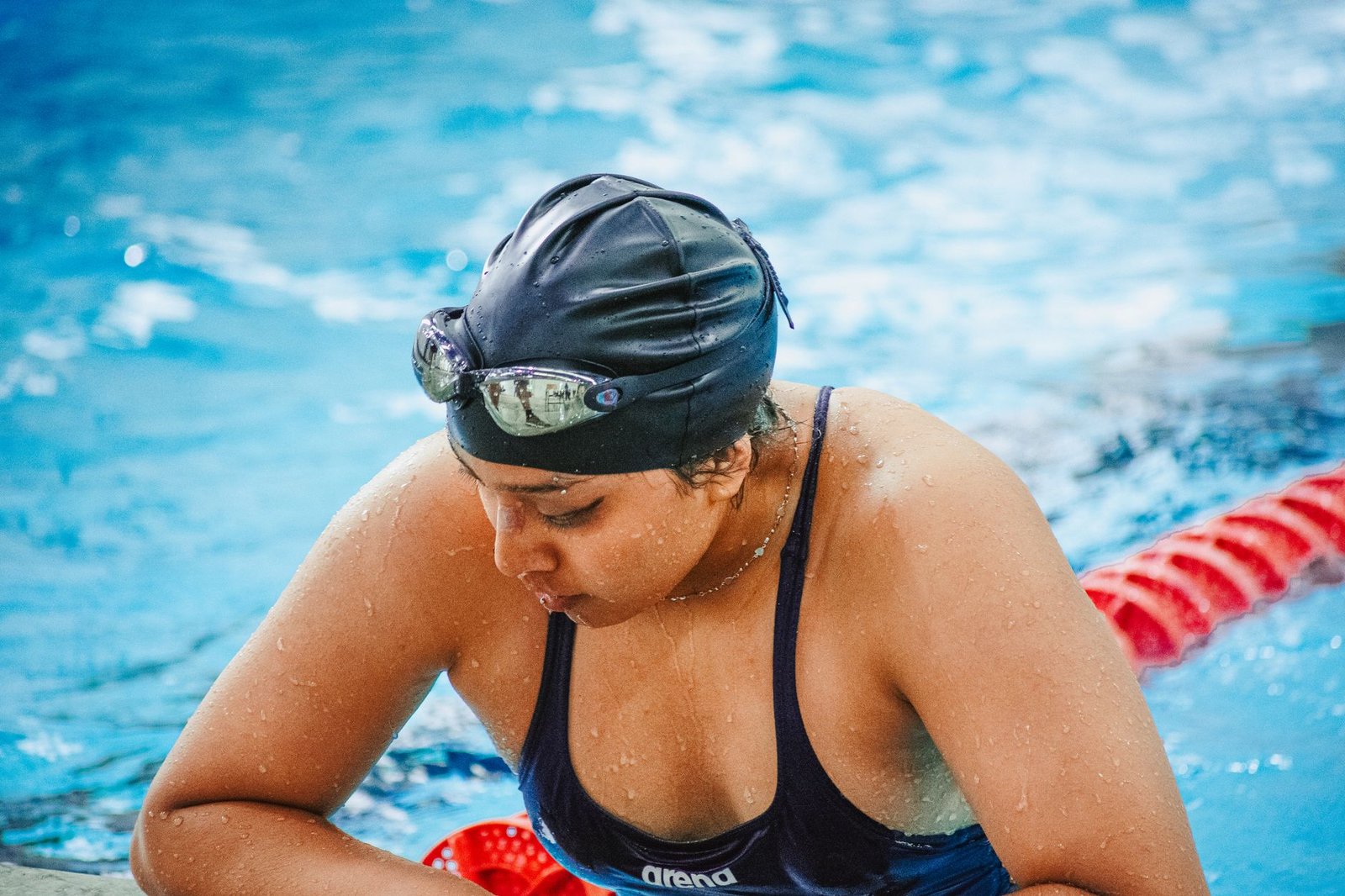
The quick answer
Use practice goggles for daily volume, long sets, technique work and any swim where comfort and repeatability matter most. Use racing goggles for meets, timed efforts, starts, turns and race rehearsal, where a lower profile and more secure fit can matter. The best setup for serious swimmers is usually not one perfect pair. It is one comfortable practice pair and one race-tested competition pair.
The trap is thinking a racing goggle must be worn every day to make you faster. A low-profile goggle can be useful, but it does not make a slow set fast by itself. It also cannot help if you spend half the workout adjusting the seal or pressing the lens into your eye socket.
The real difference is pressure, not marketing
The words practice and racing sound like two product categories, but in the water the difference is mostly about pressure, profile and tolerance. Practice goggles are usually built around comfort and repeat use. Racing goggles are usually built around security, streamline and minimal movement during high-intensity swimming.
| Feature | Practice goggles | Racing goggles | What it feels like in the water |
|---|---|---|---|
| Fit goal | Comfortable seal for repeated training | Secure seal for speed, starts and turns | Practice goggles should disappear after warm-up. Race goggles may feel firmer but should not feel sharp. |
| Lens profile | Often slightly larger or more forgiving | Lower-profile and closer to the face | Race goggles can feel faster and less bulky, but they may press more around the eyes. |
| Gasket feel | Softer or more forgiving | Firmer, smaller or more socket-focused | Great for a race, not always great for an hour of aerobic work. |
| Best use | Daily laps, drills, warm-ups, fitness swimming | Meets, starts, race pace, sprint sets, testing | The right pair depends on the session, not the label on the box. |
| Risk if misused | Can shift during hard dives if too soft | Can cause pressure marks or pain if worn too long | One pair can do both only if your face tolerates the fit. |
Practice goggles are built for repetition
Think about a normal training week. You warm up, do drills, swim aerobic yards, hit a threshold set, kick, cool down and come back again tomorrow. In that setting, goggles need to be boring in the best possible way. They should seal, stay clear and not make you think about your face.
Comfort over drama
A practice pair should let you finish the set without counting the minutes until you can take it off. Soft gasket comfort matters more than a razor-sharp race profile.
Reliable anti-fog care
Daily training punishes lenses. You rinse, toss goggles in a bag, and repeat. A pair that stays usable with basic care is worth more than one that only performs when treated perfectly.
Easy adjustment
Practice goggles should be simple to fit before a session. If every workout starts with five minutes of strap drama, they are not doing their job.
Racing goggles are built for moments that matter
Race goggles do not have to feel luxurious. They need to stay put when you dive, sprint, turn hard and finish with your face in the water. That is why many racing models sit closer to the eye socket and feel more precise than comfort-focused training goggles.
Why lower profile can help
A lower-profile goggle can feel cleaner through the water and less likely to shift during starts and turns. For short races, that secure fit can be worth a firmer feel.
Why firmer is not always better
There is a difference between secure and painful. A race goggle can leave light pressure marks after a meet. It should not create sharp socket pain after one warm-up.
Why race goggles must be tested early
Never save a new race pair for the first heat. Test it in warm-up, a few push-offs, at least one fast set and ideally a start practice. The meet is not the place to discover a nose bridge problem.
Race goggle checklist
- Seal holds during push-offs and fast turns.
- Strap sits securely without being cranked down.
- Nose bridge does not pinch after a few repeats.
- Lens tint matches the pool or outdoor meet light.
- You have worn the pair before race day.
- You have a backup pair in the swim bag.
When to train in racing goggles
You do not need to wear racing goggles for every yard, but you should not keep them untouched until the meet either. The goal is to make race goggles familiar without turning every practice into a pressure-mark experiment.
- Use them in meet rehearsal. Wear race goggles during a practice where you are simulating warm-up, pace work and race effort.
- Test them during starts and turns. A goggle that feels fine while floating may shift when you dive or push off aggressively.
- Wear them for short fast sets. Sprint repeats, broken race sets and pace work are good places to check security without wearing them for the whole workout.
- Try the same lens in similar light. If the meet is outdoors or under bright lights, make sure the lens does not feel too dark or too bright.
- Stop before pressure becomes the story. If the fit is painful after a few repeats, do not force it for a full session. Adjust the bridge, strap or model.
When not to wear racing goggles
There are sessions where racing goggles make sense. There are also sessions where they are the wrong tool. Long aerobic practices, recovery swims and beginner lessons usually reward comfort more than a race-day fit.
Long volume days
If the set is long, steady and repetitive, choose a comfortable practice pair. You are not gaining much from a tight race profile during an easy 3,000-yard swim.
Technique work
During drills, you want attention on body position, catch, breathing and timing. If your goggles distract you, the equipment is stealing focus from the point of the session.
Young or new swimmers
Beginners often need confidence first. A soft, forgiving fit is usually better than a low-profile racing goggle that feels intense before they even start swimming.
Sensitive eyes or headaches
If racing goggles trigger pressure discomfort, do not make them your daily pair. Look for a better bridge fit, different gasket shape or more forgiving training option.
The two-pair system most swimmers should use
A simple two-pair system solves most of the practice vs racing debate. It gives you one pair that is comfortable enough for daily work and one pair that is already proven for competition.
Pair one: the daily driver
This pair should be comfortable, easy to adjust, clear enough for your pool, and durable enough to survive normal training. It does not need to look like what Olympians wear on the blocks.
Pair two: the race-tested pair
This pair should be secure, lower-profile if you prefer that feel, and tested in race-like conditions. It belongs in the meet bag before race day, not in the package.
A simple race-week plan
If you already own both pairs, use the week before a meet to confirm the race setup without irritating your eyes.
- Early week: Use your practice goggles for normal training. Keep your eyes comfortable and avoid unnecessary pressure.
- Midweek: Wear race goggles for a short fast set, a few strong push-offs and enough swimming to confirm the seal.
- Pre-meet: Check the strap, nose bridge and lens condition. Do not aggressively rub the inside of the lens.
- Meet day: Warm up in the goggles you will race in. Keep a tested backup pair in your bag.
How to choose based on swimmer type
The right answer changes depending on who is swimming. A masters swimmer doing long workouts, a 10-year-old at lessons and a sprint freestyler at a championship meet do not need the same goggle setup.
| Swimmer type | Best everyday choice | Race or special-use choice | Practical advice |
|---|---|---|---|
| Fitness lap swimmer | Comfort practice goggles | Optional low-profile pair if doing events | Do not sacrifice comfort for a race look you do not need. |
| Age-group swimmer | Comfortable training pair | Tested racing pair for meets | Parents should prioritize fit first, then lens and style. |
| Masters swimmer | Soft, reliable pair for volume | Race pair for meet prep or sprint days | Eye comfort matters more as sessions get longer. |
| Sprint specialist | Practice pair for daily sets | Secure low-profile goggles for starts and race pace | Test dive security before the meet. |
| Outdoor pool swimmer | Comfort pair with suitable tint | Mirrored or darker race lens if light demands it | Lens choice can matter as much as fit outdoors. |
Common mistakes when choosing between practice and race goggles
- Assuming tighter means faster. A strap should stabilize the seal, not crush the gasket into your eye socket.
- Saving new goggles for race day. Every competition pair should be tested before the swim matters.
- Wearing race goggles for every yard. If they cause discomfort, use them for race rehearsal, not all daily volume.
- Buying by brand instead of face fit. A famous model still has to match your eye socket, bridge and face shape.
- Ignoring lens conditions. A great mirrored outdoor lens can feel too dark in a dim indoor pool.
- Not carrying a backup pair. Straps break, lenses fog and goggles get misplaced. A backup pair is cheap insurance.
Related guides
Use this guide to decide the job your goggles need to do, then narrow fit, lens and race-day details with these related pages.
Not sure which swim goggles are right for you?
Answer a few quick questions about your swim style, face fit, lens needs, and budget. Get matched with goggles that make sense for how you actually swim.
