
Swim Goggle Lens Cleaning Guide
Cleaning swimming goggle lenses is mostly about being gentle. Rinse with cool fresh water, avoid rubbing the inside lens, let the goggles air dry, and store them in a case so the lens coating and visibility last longer.
This guide focuses specifically on cleaning goggle lenses safely—especially anti-fog coated lenses—so you can remove chlorine, salt, sunscreen and pool residue without scratching the lens or ruining the coating.
This article contains affiliate links. As an Amazon Associate, BestSwimGoggles.com may earn from qualifying purchases. This does not change the price you pay and does not control our editorial recommendations.
The inside often has anti-fog coating that can be damaged by wiping.
Remove chlorine, salt and sunscreen with cool fresh water.
Let lenses dry naturally in shade before storing.
Prevent scratches from towels, bottles, keys and swim toys.
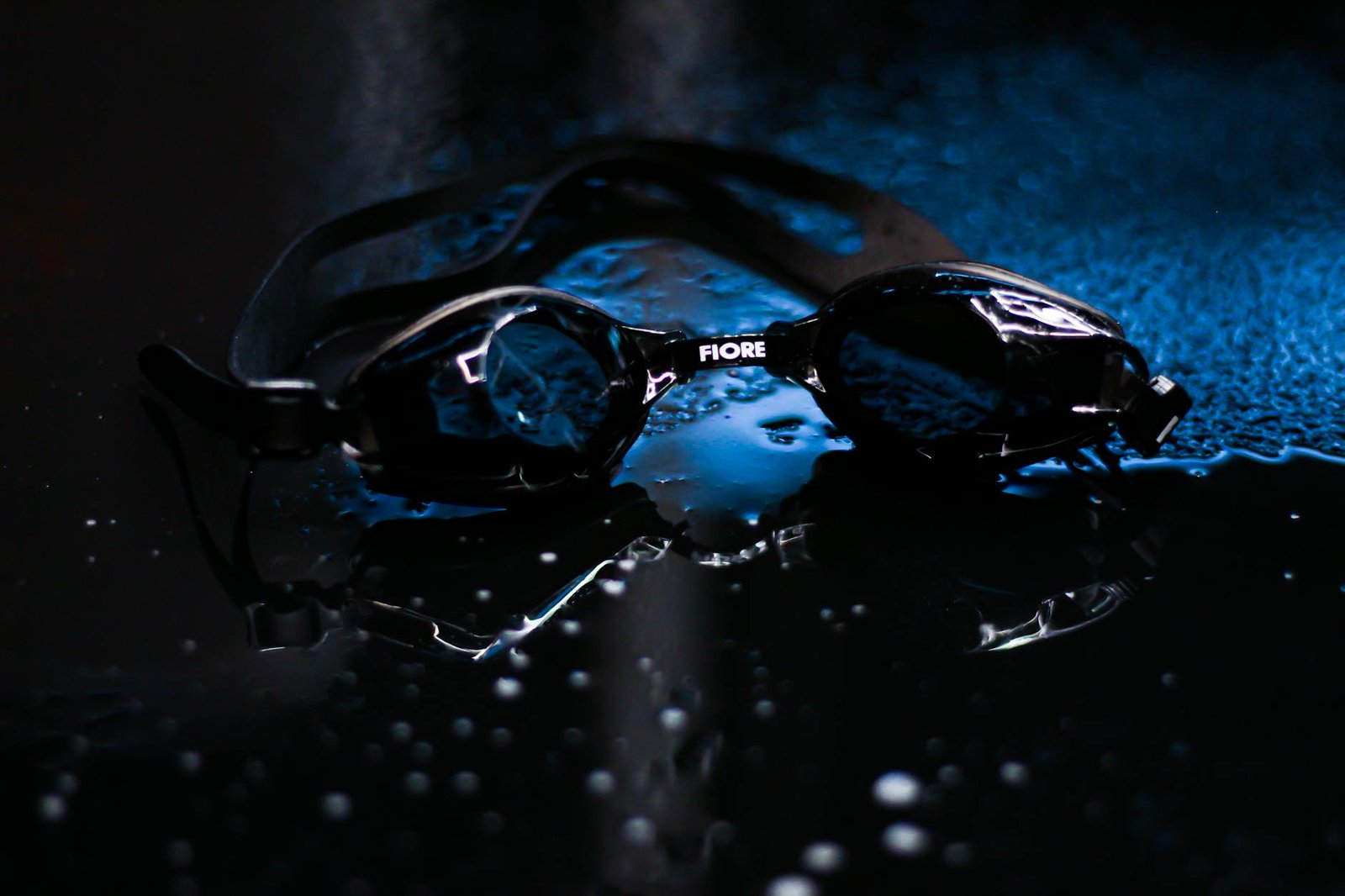
Quick Answer: How Should You Clean Swimming Goggle Lenses?
Rinse swimming goggle lenses with cool fresh water after every swim, shake off excess water, and let them air dry away from direct sunlight. Do not rub the inside of the lenses with fingers, towels or cloth because this can scratch the lens or remove anti-fog coating.
For sunscreen or oily residue on the outside lens, clean very gently with fresh water and a soft touch. Avoid hot water, harsh soap, alcohol, glass cleaner, toothpaste, abrasive cloths and paper towels.
The Safe Lens Cleaning Routine
Rinse immediately: Use cool fresh water to remove chlorine, salt, sand and sunscreen.
Protect the inside: Do not wipe or scrub the inner lens surface.
Clean outside only if needed: If the outside lens is oily, use water and gentle finger pressure.
Air dry: Place goggles in shade with airflow until dry.
Store in a case: Keep lenses away from sharp or rough items in your swim bag.
Inside Lens vs Outside Lens: Clean Them Differently
The inside and outside of a swim goggle lens should not be treated the same. The outside lens is usually easier to rinse and gently clean. The inside lens is more delicate because it often includes anti-fog treatment.
| Lens Area | Safe Cleaning | Do Not Use |
|---|---|---|
| Inside lens | Cool water rinse, no rubbing, air dry | Towels, fingers, soap, glass cleaner, toothpaste |
| Outside lens | Rinse and gently remove residue if needed | Paper towels, abrasive cloths, alcohol cleaner |
| Mirrored lens | Extra gentle rinse and protected storage | Scrubbing or leaving loose in bag |
| Polarized lens | Fresh water rinse after salt or sunscreen | Harsh cleaner or hot water |
| Prescription lens | Protect from scratches and store in a case | Rough wiping or loose storage |
What Not to Use on Swimming Goggle Lenses
Safe habits
- Use cool fresh water after every swim.
- Let lenses air dry naturally.
- Use a hard or semi-hard case.
- Handle goggles by the frame or strap.
- Use goggle-safe anti-fog only when needed.
Avoid this
- Rubbing the inside lens.
- Using paper towels or rough cloth.
- Using glass cleaner, alcohol or strong soap.
- Trying toothpaste or abrasive polishing.
- Leaving wet goggles in direct sun or hot cars.
How to Handle Foggy Lenses
Fogging does not always mean the lens is dirty. It can happen when the anti-fog coating wears down, when the inside lens has been rubbed, or when warm moisture builds up inside the goggles.
Anti-fog rule
If the inside lens fogs, do not scrub it harder. Rinse gently, let it air dry, and use an anti-fog product made for swim goggles if needed. Follow the anti-fog product directions and avoid harsh cleaners.
Cleaning Lenses After Pool, Ocean and Outdoor Swims
| Swim Type | Main Lens Problem | Cleaning Priority |
|---|---|---|
| Chlorine pool | Chlorine residue and anti-fog wear | Rinse after every session and avoid rubbing inside lens |
| Saltwater | Salt crystals and sand | Rinse thoroughly with fresh water before storage |
| Outdoor pool | Sunscreen, heat and UV exposure | Rinse sunscreen off and dry in shade |
| Kids’ swimming | Fingerprints, rough handling and scratches | Teach kids to rinse and use a case |
| Race goggles | Scratches and coating damage | Use only on key sessions and store carefully |
How to Prevent Scratches After Cleaning
Many scratches happen after cleaning, not during swimming. Wet goggles get tossed into a swim bag, then lenses rub against bottles, fins, paddles, keys or rough towels.
Use a case
The easiest way to protect lenses from bag scratches.
Dry before closing
Do not trap wet goggles in a sealed case for days.
Separate gear
Keep goggles away from fins, paddles and water bottles.
Keep a backup
Use older scratched goggles as backup, not race-day goggles.
When Cleaning Is Not Enough
Sometimes goggles are too worn for cleaning to fix. If the lens is deeply scratched or the anti-fog coating is gone, a careful rinse will not bring them back to like-new condition.
Deep scratches: Replace if scratches affect vision or confidence.
Permanent cloudiness: Cloudy lenses may not recover with rinsing.
Constant fogging: Anti-fog coating may be worn away.
Leaking seal: Lens cleaning will not fix a bad gasket fit.
Cracked lens or frame: Replace the goggles immediately.
Common Mistakes
Wiping the inside lens
This can remove anti-fog coating and cause more fogging later.
Using household cleaners
Glass cleaner, alcohol and strong soap can damage lens coatings.
Drying with rough towels
Paper towels and rough fabric can scratch soft plastic lenses.
Cleaning with hot water
Heat can age seals, straps and coatings faster.
Skipping the case
Clean lenses can still scratch quickly in a crowded swim bag.
Trying to polish coated lenses
Polishing can make coated swim lenses worse, not better.
Frequently Asked Questions
How do you clean swimming goggle lenses?
Rinse the lenses with cool fresh water after swimming, avoid rubbing the inside lens, air dry in shade, and store the goggles in a protective case.
Can I wipe the inside of swim goggles?
It is best not to wipe the inside lens because many swim goggles have anti-fog coating that can be damaged by rubbing.
Can I use soap to clean swim goggles?
Plain water is usually safest. Harsh soap or household cleaners may damage lens coatings, anti-fog treatment or seals.
How do I remove sunscreen from goggle lenses?
Rinse with cool fresh water and gently clean only the outside lens if needed. Avoid scrubbing the inside lens or using harsh cleaners.
Why are my swim goggles cloudy?
Cloudiness can come from residue, scratches, damaged anti-fog coating or age. If gentle rinsing does not help, the lenses may be worn out.
How do I keep swim goggle lenses from scratching?
Use a protective case, avoid rough towels, keep goggles away from sharp gear, and never toss them loose into a swim bag.
Final Takeaway
The safest way to clean swimming goggle lenses is to rinse them gently with cool fresh water, avoid rubbing the inside lens, air dry them in shade and store them in a case. Most lens damage comes from wiping, harsh cleaners and poor storage—not from the water itself.
If lenses are deeply scratched, permanently cloudy or constantly foggy, cleaning may not be enough. At that point, replacing the goggles is usually the better choice.
