
Quick Swim Goggle Care Tips
The best swim goggle care tips are simple enough to remember after every workout: rinse, air dry, protect the lenses, avoid rubbing the anti-fog coating, and replace goggles before leaks or scratches ruin your swim.
This quick guide is designed as a practical checklist for swimmers who want their goggles to stay clear, comfortable and leak-free for as long as possible.
This article contains affiliate links. As an Amazon Associate, BestSwimGoggles.com may earn from qualifying purchases. This does not change the price you pay and does not control our editorial recommendations.
Fresh water
Remove chlorine, salt, sand and sunscreen residue after every swim.
Air dry
Let goggles dry naturally before closing them in a case or bag.
Use a case
Prevent scratches, crushed frames and stretched straps.
Know the signs
Leaks, cloudy lenses and cracked seals mean the goggles are near the end.
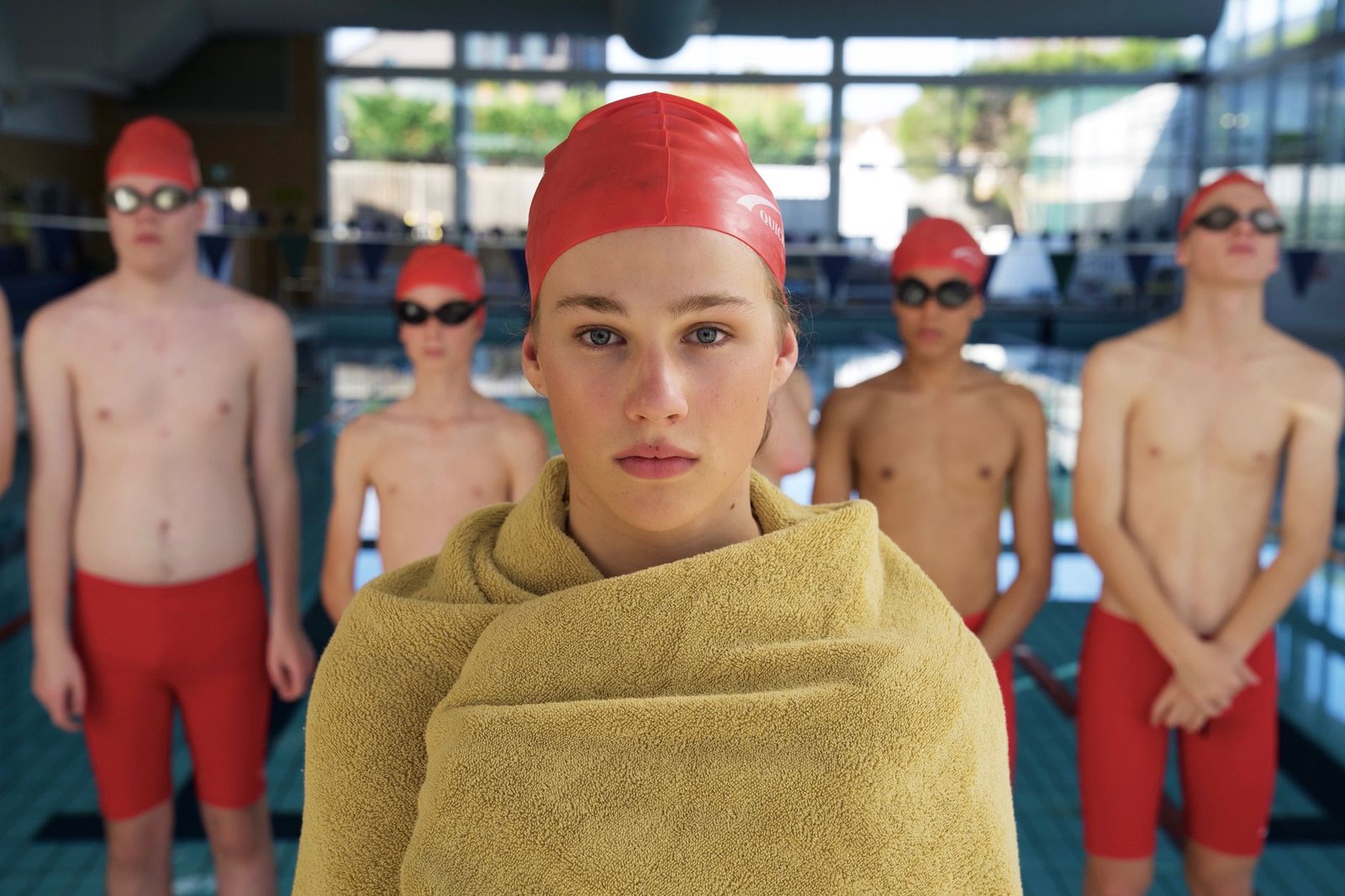
Quick Answer: What Are the Best Swim Goggle Care Tips?
Rinse swim goggles with cool fresh water after each swim, let them air dry in the shade, store them in a protective case, and avoid rubbing the inside of the lenses. The inside lens often has an anti-fog coating, so wiping it with a towel or fingers can shorten the life of the goggles.
For longer goggle life, keep one training pair and one backup or race-day pair. Replace goggles when they leak despite adjustment, fog constantly, have scratched lenses, cracked seals or stretched straps.
The 5 Swim Goggle Care Tips That Matter Most
Use these tips after every swim. They work for most pool, fitness, kids, open-water and racing goggles.
Rinse gently: Use cool fresh water to remove chlorine, salt, sweat, sunscreen and sand.
Shake off water: Do not wipe the inside lens. Just shake off excess water gently.
Air dry: Let goggles dry in a shaded, ventilated place before storage.
Store safely: Put them in a case once dry so lenses and straps are protected.
Inspect weekly: Check for scratches, leaks, strap wear, cracked seals and fogging.
What Not to Do With Swim Goggles
Good habits
- Rinse after chlorine or saltwater.
- Air dry before storage.
- Use a protective case.
- Adjust straps gently.
- Keep a backup pair for meets and travel.
Avoid this
- Rubbing the inside lens.
- Using hot water or harsh cleaners.
- Leaving goggles in direct sun.
- Tossing them loose into a swim bag.
- Over-tightening straps to fix a poor seal.
How to Clean Swimming Goggles Safely
For most goggles, plain cool water is enough. If the outside of the lens or strap has sunscreen or dirt, clean gently with water and your fingers. Be very careful with the inside of the lenses because many goggles have an anti-fog coating that can be damaged by rubbing.
| Part | Safe Care | Avoid |
|---|---|---|
| Inside lens | Rinse gently; air dry | Rubbing, wiping, towels, fingers |
| Outside lens | Rinse and lightly clean if needed | Abrasive cloths or rough scrubbing |
| Gasket/seal | Rinse away chlorine and sunscreen | Harsh soap, heat, direct sun |
| Strap | Rinse, dry, avoid over-stretching | Pulling to maximum tension every swim |
| Case | Keep dry and ventilated | Sealing wet goggles inside for days |
Anti-Fog Care: How to Protect the Lens Coating
Anti-fog performance often fails early because swimmers rub the inside of the lens. Many anti-fog coatings are delicate. Once they are scratched or wiped away, the goggles may fog even if the frame and strap are still usable.
Anti-fog rule
Treat the inside lens like a coated surface: rinse gently, do not scrub, and let it air dry. If fogging becomes a problem, use an anti-fog product designed for swim goggles and follow the product instructions.
Storage Tips for Longer Goggle Life
Storage is where many goggles get ruined. Lenses scratch when goggles are mixed with keys, bottles, towels, fins or toys. Straps stretch when goggles are wrapped around bottles or pulled inside a crowded bag.
Use a case
A simple hard or semi-hard case prevents scratches and crushed frames.
Dry first
Do not seal wet goggles in a case for days after swimming.
Avoid heat
Hot cars and direct sunlight can age straps and seals faster.
Separate gear
Keep goggles away from sharp objects, fins, paddles and water bottles.
Pool, Open-Water and Kids’ Goggles: Care Differences
| Goggle Type | Main Risk | Care Priority |
|---|---|---|
| Pool training goggles | Chlorine, repeated strap adjustment | Rinse after every swim and avoid over-tightening |
| Open-water goggles | Salt, sand, sunscreen, sun exposure | Rinse thoroughly and store out of heat |
| Racing goggles | Lens scratches and anti-fog damage | Use a case and save them for key sessions or meets |
| Kids’ goggles | Rough handling, stretched straps, scratches | Teach simple rinse-and-case habits early |
| Prescription goggles | Scratches affecting vision clarity | Protect lenses carefully and avoid rubbing |
When Should You Replace Swimming Goggles?
Good care extends goggle life, but every pair eventually wears out. Replace goggles when they no longer seal, stay clear or feel comfortable.
Leaks continue: If leaks remain after proper adjustment, the seal or fit may be done.
Fogging is constant: Anti-fog may be worn out or damaged.
Lenses are scratched: Visibility and confidence suffer.
Strap slips: Worn straps or buckles cannot hold tension.
Seal is cracked: Dry or cracked gaskets rarely recover fully.
Common Mistakes
Rubbing the inside lens
This is one of the fastest ways to damage anti-fog coating.
Using hot water
Heat can age seals, straps and coatings faster.
Storing goggles wet
Wet closed storage can leave residue and odors and may shorten strap life.
No protective case
Loose goggles scratch easily in a swim bag.
Over-tightening every swim
If you always need extreme tension, the goggle may not fit correctly.
Keeping old goggles too long
Leaky, foggy goggles can make swimming frustrating and unsafe.
Frequently Asked Questions
How do I properly care for swimming goggles?
Rinse them with cool fresh water after every swim, air dry them, avoid rubbing the inside lens, and store them in a protective case once dry.
Should I wash swim goggles with soap?
Usually no. Plain water is safest for most goggles. Harsh soap or cleaners can damage lens coatings, seals or anti-fog treatment.
Can I wipe the inside of my goggles?
Avoid wiping the inside lens because it may damage anti-fog coating. Rinse gently and let the lenses air dry instead.
How should I store swim goggles?
Let goggles dry first, then store them in a protective case away from direct sun, heat and sharp objects in your swim bag.
How do I stop goggles from fogging?
Protect the anti-fog coating by not rubbing the inside lens. If fogging continues, use an anti-fog product made for swim goggles and follow its instructions.
When should I replace swim goggles?
Replace goggles when they leak despite adjustment, fog constantly, have scratched lenses, cracked seals, stretched straps or become uncomfortable.
Final Takeaway
Swimming goggles last longer when you rinse, air dry and store them properly. The biggest care mistakes are rubbing the inside lens, using harsh cleaners, leaving goggles in direct sun, and tossing them loose in a swim bag.
A simple post-swim routine can keep your goggles clearer, more comfortable and more reliable—especially if you swim often or use premium racing, open-water or prescription goggles.
