
Parent Swim Gear Guide
Most children’s swim goggles should be replaced every 6 to 12 months if they swim regularly, and sooner if they leak, fog constantly, scratch easily, pull hair, or leave painful marks around the eyes.
The right replacement timing depends on how often your child swims, whether the goggles are used in chlorine or saltwater, how they are stored, and whether your child is growing quickly. This guide gives parents a practical inspection checklist instead of a one-size-fits-all rule.
Replace sooner if scratched, leaking or uncomfortable.
The most common replacement window for kids.
Frequent chlorine exposure wears straps and seals faster.
Leaks, cracks, pain, broken straps or cloudy lenses mean replace now.
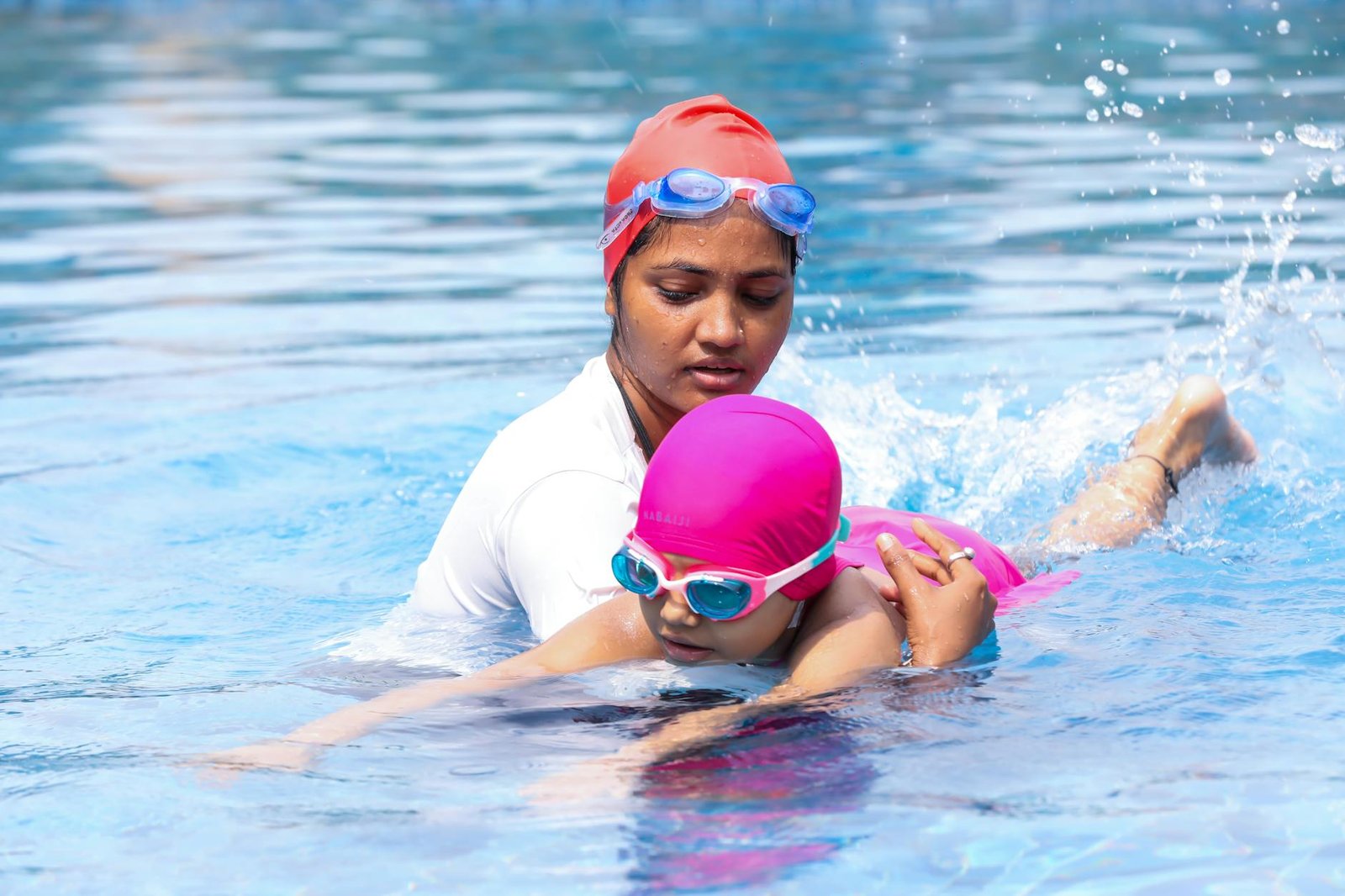
Quick Answer: How Often Should You Replace a Child’s Swim Goggles?
Replace your child’s swim goggles about every 6 to 12 months for regular lessons or weekly swimming. Replace them every 3 to 6 months for swim team practice or heavy chlorine use. For occasional summer swimming, a pair may last closer to 9 to 18 months if rinsed, dried and stored properly.
Replace them immediately if the lenses are scratched or cloudy, the anti-fog coating no longer works, the seal leaks even after adjustment, the strap is stretched, or your child complains of pain.
The Parent’s 60-Second Goggle Check
You do not need to guess whether goggles are still good. Use this quick check before swim lessons, summer camp or swim team practice.
Lens check: Are the lenses scratched, cloudy or hard to see through?
Seal check: Do the goggles leak even when adjusted correctly?
Strap check: Is the strap stretched, cracked or slipping?
Comfort check: Does your child complain about pinching or eye pressure?
Growth check: Has your child outgrown the nose bridge or frame size?
Signs It’s Time to Replace Kids’ Swim Goggles
| Sign | What It Means | Replace Now? |
|---|---|---|
| Constant leaking | The seal may be worn, warped or the frame no longer fits | Yes, if adjustment does not fix it |
| Scratched lenses | Visibility is reduced and kids may feel less confident | Yes, if scratches affect vision |
| Fogging every swim | Anti-fog coating may be worn out | Often yes |
| Loose strap | Elasticity is gone or adjusters are slipping | Yes, if strap will not hold |
| Red marks or pain | Frame may be too small, too tight or wrong shape | Yes, especially if repeated |
| Child refuses to wear them | Comfort, fit or fear of leaking may be the real issue | Inspect and consider replacing |
Why Kids’ Goggles Wear Out Faster Than Adult Goggles
Children’s goggles often get stretched, dropped, tossed into swim bags, left in the sun, or handled by the lenses. Kids also grow quickly, so a pair that fit well last season may leak this season even if the goggles are not completely broken.
Chlorine exposure
Chlorine can dry seals and weaken straps over time.
Rough storage
Loose goggles in a bag get scratched by toys, towels and bottles.
Growth spurts
A narrow child frame can suddenly become too small.
Hair pulling
Kids often over-tighten straps when goggles leak, causing more discomfort.
Anti-fog wear
Rubbing the inside lens can damage anti-fog coating quickly.
Lost adjustment
Small buckles and straps can stop holding position after heavy use.
Replacement Timing by Swimming Frequency
| Child’s Swim Routine | Typical Replacement Window | Parent Tip | Suggested Option |
|---|---|---|---|
| Summer pool play only | 9–18 months | Store in a case after the season | Check Kids Goggles |
| Weekly lessons | 6–12 months | Inspect fit every few months | Check Junior Goggles |
| Swim team practice | 3–6 months | Keep a backup pair in the swim bag | Check Training Goggles |
| Outdoor pool / beach use | 6–12 months | Prioritize UV protection and rinse after use | Check Outdoor Goggles |
How to Make Your Child’s Goggles Last Longer
Rinse gently with fresh cool water to remove chlorine, salt or sand.
Let goggles air dry before placing them in a case or swim bag.
Teach kids not to rub the inside lens because it can damage anti-fog coating.
Use a small case so lenses do not get scratched by other gear.
Adjust straps gently and avoid pulling them to the maximum length every time.
Choosing Replacement Goggles for Your Child
When replacing goggles, do not only buy the same size automatically. Check whether your child needs a larger frame, a softer seal, a no-hair-pull strap, better anti-fog lenses, or UV protection for outdoor swimming.
Fit Test Before You Buy Again
A new pair is only better if it fits. Use this simple fit test before trusting goggles for lessons, practice or a swim meet.
3-step kids goggle fit test
- Place the goggles gently over your child’s eyes without using the strap.
- Press lightly. The goggles should hold a soft seal for a moment.
- Adjust the strap so it is snug, not painfully tight.
If your child needs the strap extremely tight to stop leaks, the frame probably does not fit well.
Common Parent Mistakes
Waiting until goggles break completely
Leaking and fogging can make lessons frustrating long before the strap snaps.
Over-tightening the strap
Tight straps can cause pain and red marks without fixing a poor seal.
Buying adult goggles too early
Adult frames often leak on smaller faces and can feel uncomfortable.
Letting kids rub the inside lens
This can remove anti-fog coating and make goggles fog faster.
Storing goggles wet in a bag
Damp storage can shorten strap and seal life.
No backup pair
For swim team or lessons, a backup pair prevents missed practice.
Frequently Asked Questions
How often should I replace my child’s swim goggles?
Most children’s swim goggles should be replaced every 6 to 12 months for regular swimming. Heavy swim team use may require replacement every 3 to 6 months, while occasional summer use may last longer.
How do I know if kids’ goggles are worn out?
Replace them if they leak, fog constantly, have scratched lenses, loose straps, cracked seals, painful pressure points, or no longer fit your child’s face.
Can I fix leaking goggles instead of replacing them?
Sometimes. Try cleaning the seal and adjusting the strap. If leaking continues after proper adjustment, the seal may be worn or the frame may no longer fit.
Do kids outgrow swim goggles?
Yes. Children can outgrow the nose bridge, frame width or strap length. A pair that fit last year may leak this year even if it still looks usable.
Should my child have a backup pair?
Yes, especially for swim lessons, swim team or vacation. A backup pair helps if goggles break, fog badly or get lost.
How can I make kids’ goggles last longer?
Rinse them with fresh water after swimming, air dry them, store them in a case, avoid rubbing the inside lenses, and keep them out of direct sunlight when not in use.
Final Takeaway
Replace your child’s swim goggles when they stop protecting their eyes, stop fitting comfortably, or make swimming harder because of leaks, fog or scratches. For most families, checking goggles every few months and replacing them every 6 to 12 months is a practical routine.
If your child swims often, keep a backup pair. Clear, comfortable goggles can make lessons less stressful and help kids feel more confident in the water.
