
Parent Buying Guide
Choosing swim goggles for kids is mostly about fit, comfort and confidence. The right pair should seal gently, stay in place, protect sensitive eyes and make your child more willing to put their face in the water.
This guide gives parents a practical way to choose kids’ swim goggles by age, face shape, swimming environment and skill level—without getting lost in marketing claims.
The goggles should seal before the strap is painfully tight.
Kids are more likely to wear goggles that feel gentle.
Clear for indoor pools, tinted or UV lenses for outdoor swimming.
Beginner, lessons, swim team and beach use need different features.
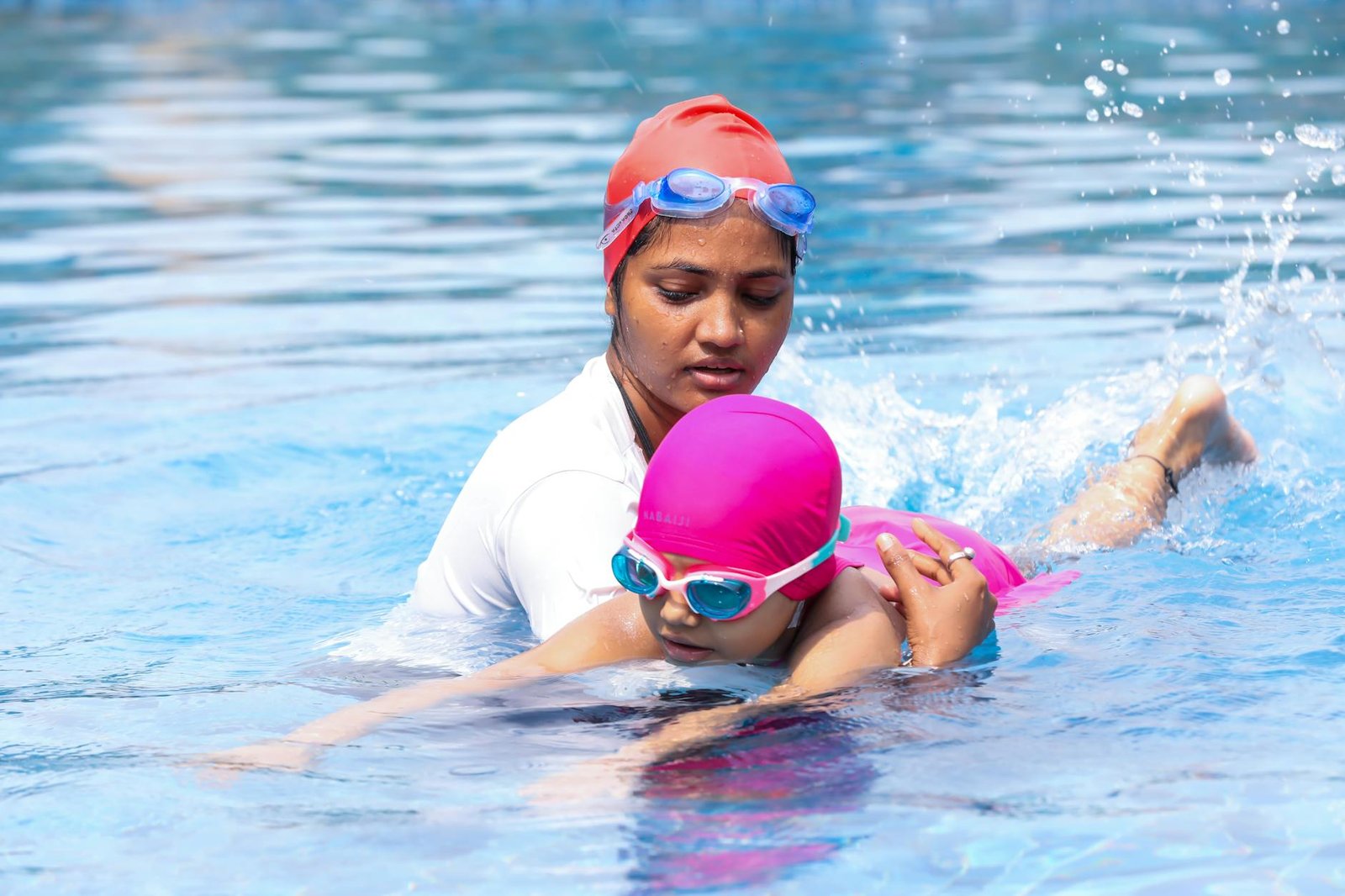
Quick Answer: How Do You Choose Swim Goggles for Kids?
Choose kids’ swim goggles that fit your child’s face without leaking, use a soft silicone gasket, have easy strap adjustment, include anti-fog lenses, and offer UV protection for outdoor swimming. For beginners, prioritize comfort and confidence. For swim team or racing, prioritize a secure fit and low-profile stability.
Avoid buying adult goggles for younger children unless they genuinely fit. Kids and junior goggles are shaped for smaller faces and usually create a better seal with less strap pressure.
Kids Swim Goggles Comparison: Which Type Should You Buy?
| Type | Best For | Fit Feel | Parent Note | Check |
|---|---|---|---|---|
| Beginner / recreational goggles | Lessons, pool play, water confidence | Soft and forgiving | Best first choice for most young kids | Check |
| Junior training goggles | Kids who swim regularly | More secure and durable | Good for lessons and swim practice | Check |
| Low-profile junior goggles | Swim team and racing | Secure but firmer | Better for older kids who tolerate socket fit | Check |
| Wide-view kids goggles | Outdoor pools, open water, nervous swimmers | Comfortable and confidence-building | Helpful when visibility matters | Check |
| Mask-style kids goggles | Very young or sensitive kids | Less eye-socket pressure | May be bulkier for swim lessons | Check |
What Features Matter Most?
Kids do not care about technical features if the goggles hurt or leak. Start with comfort and fit, then choose lens features based on where your child swims.
Soft gasket
A soft silicone seal is usually more comfortable and less intimidating for kids.
Easy adjustment
Side clips or quick-adjust straps help parents fix the fit fast before lessons.
Anti-fog lenses
Foggy goggles frustrate kids and can interrupt swim lessons.
UV protection
Important for outdoor pools, beach days and summer swimming.
Correct lens tint
Clear lenses work best indoors; tinted or mirrored lenses help outdoors.
Durable strap
Kids pull and twist straps, so simple durable adjustment matters.
How to Fit Swim Goggles on a Child
A good fit should be secure, but not painful. If you need to pull the strap extremely tight to stop leaks, the frame is probably the wrong shape for your child.
Do the press test: Place the goggles on the face without the strap. They should hold for a moment with gentle pressure.
Check the nose bridge: The goggles should not pinch the nose or pull the lenses too far apart.
Adjust the strap: The strap should sit flat above the ears and around the back of the head.
Look for gaps: Check the inner corners, outer corners and under the eyes.
Test in water: Have the child splash, kick, push off and put the face in the water.
Best Kids Swim Goggles by Use Case
Lens Color Guide for Kids
| Lens Type | Best For | Parent Tip |
|---|---|---|
| Clear | Indoor pools and low-light lessons | Best first lens for many kids |
| Light tint | Mixed indoor/outdoor swimming | Good balance if your child swims in different places |
| Smoke | Bright outdoor pools | May be too dark indoors |
| Mirrored | Glare and sunny conditions | Useful outdoors, but can feel too dark for beginners |
| Prescription | Kids who need vision correction | Choose based on prescription and fit, not style alone |
Recommended Kids Swim Goggles to Compare
Best all-around category
Soft anti-fog kids swim goggles
This is the best first choice for most beginners. Look for a soft gasket, simple strap adjustment, anti-fog lenses and UV protection if your child swims outdoors.
Best junior training direction
Speedo Jr Vanquisher / similar junior goggles
Junior training goggles are better for older kids who swim regularly and need a more secure fit for laps, turns and swim team practice.
Best comfort-first direction
Aqua Sphere junior-style goggles
Wider-view junior goggles can help kids who dislike tight socket pressure or feel nervous underwater. They are often more forgiving than race-style goggles.
Care Tips So Kids’ Goggles Last Longer
Rinse goggles with cool fresh water to remove chlorine, salt and sunscreen.
Let goggles air dry before closing them in a case or bag.
Use a small case so lenses do not scratch next to toys and towels.
Show kids not to rub the inside lens because it can damage anti-fog coating.
Common Parent Mistakes
Buying adult goggles too early
Adult frames may leak on small faces even if the strap is tight.
Choosing color over fit
Let kids choose colors only after the fit and lens type make sense.
Over-tightening the strap
Painful goggles make kids less willing to swim.
Using dark lenses indoors
Dark or mirrored lenses can make dim pools harder for kids to see.
Ignoring growth
Kids may outgrow goggles before the goggles look worn out.
No backup pair
A backup pair helps when straps break or goggles disappear before lessons.
Frequently Asked Questions
How do I choose swim goggles for kids?
Choose kids’ swim goggles with a soft gasket, child-sized frame, easy strap adjustment, anti-fog lenses and the right lens tint for indoor or outdoor swimming.
Should kids use adult swim goggles?
Most kids should use kids or junior goggles because adult goggles are often too wide and may leak or require painful strap tension.
What lens color is best for kids swim goggles?
Clear lenses are best for indoor lessons and dim pools. Tinted, smoke or mirrored lenses are better for bright outdoor pools.
Why do my child’s goggles keep leaking?
Leaks usually come from the wrong frame shape, poor nose bridge fit, gaps around the outer corners or over-tightening that distorts the seal.
Are anti-fog goggles important for kids?
Yes. Foggy lenses frustrate kids and can interrupt lessons. Anti-fog helps, but children should avoid rubbing the inside lens.
How often should kids’ swim goggles be replaced?
Replace kids’ goggles when they leak, fog constantly, have scratched lenses, stretched straps, cracked seals, or no longer fit your child’s growing face.
Final Takeaway
Choosing swim goggles for kids starts with fit and comfort. Pick a child-sized frame, soft seal, easy strap and lens type that matches where your child swims. For beginners, comfort builds confidence. For swim team, security and fit stability matter more.
If your child likes the goggles, can see clearly and does not need to constantly adjust them, you have probably made the right choice.
