
Swedish goggles for beginners: cheap, fast, and not for everyone
Swedish goggles are tempting because they are inexpensive, simple, and used by plenty of experienced swimmers. For a beginner, the better question is not whether they are “good.” It is whether your face, patience, and swimming goals match the way they fit.
Affiliate disclosure: This article includes Amazon affiliate links. If you buy through those links, BestSwimGoggles.com may earn a small commission at no extra cost to you. Product examples are included to help you compare fit types and alternatives, not as guaranteed matches for every swimmer.
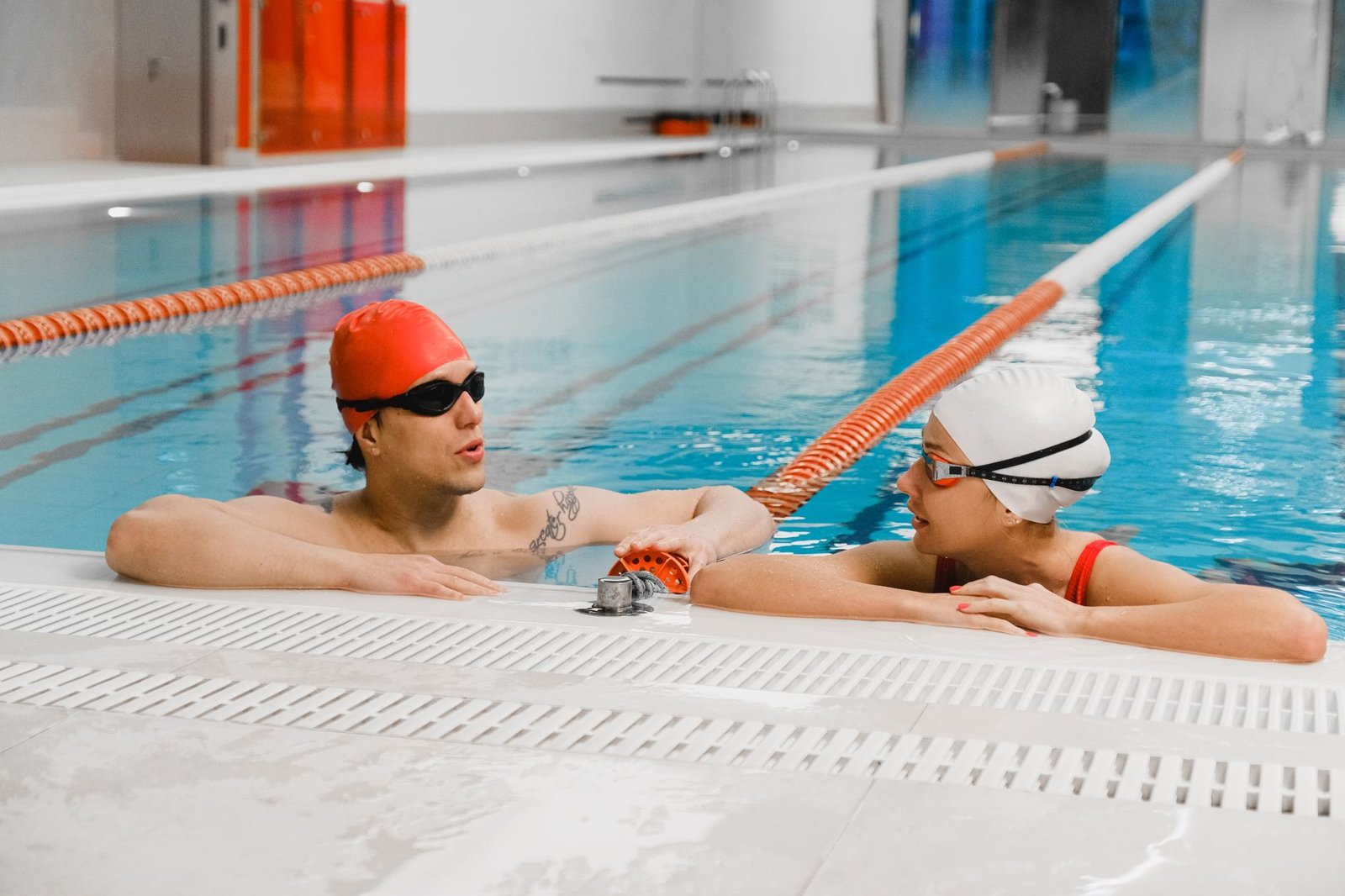
Swedish goggles can be confusing the first time you hold them. They do not look like the cushioned goggles most beginners expect. There is usually no soft gasket wrapping around the eye socket. The frame is small. The nose piece may need to be tied, trimmed, or adjusted. Even the strap can feel more like a piece of training-room hardware than something designed for comfort.
That bare-bones design is the point. Swedish-style goggles are light, low-profile, cheap to replace, and easy to customize once you understand what you are doing. They can also feel sharp, fussy, and unforgiving if you are still learning what a good goggle seal feels like. A beginner can use them, but they are not the easiest beginner goggle.
The appeal is real, but so is the adjustment period
The reason Swedish goggles have lasted so long is simple: they remove almost everything that is not necessary. Less bulk around the eyes. Less cushion to absorb water. Less frame to move when you push off hard. For swimmers who like a precise socket fit, that can feel clean and direct.
The downside is that the fit has less room for error. A soft gasket can hide a small mismatch between your face and the frame. Swedish goggles do not hide much. If the nose bridge is a little too narrow, you feel it. If one lens sits slightly wrong, it may leak right away. If you tighten the strap to force the seal, the pressure shows up quickly.
Swedish goggles reward patience. They punish guessing.
For a confident lap swimmer who wants a cheap, low-profile pair, that tradeoff can be acceptable. For someone who is just trying to get through beginner lessons without water in the eyes, a softer frame usually makes more sense.
Who should try Swedish goggles first?
Swedish goggles make the most sense for swimmers who already understand basic goggle fit. You do not need to be a racer, but you should be comfortable adjusting a nose bridge, testing the seal before swimming, and accepting that the first setup may not be right.
They are a better fit for swimmers who want:
- a low-profile feel for lap swimming or swim team practice;
- a very affordable backup pair;
- a goggle that can be adjusted more precisely than a fixed bridge model;
- less cushion around the eyes than comfort goggles provide.
They are a worse fit for swimmers who mainly want softness, easy adjustment, or a pair that works straight out of the package with almost no thought. Children, very new swimmers, and anyone who already struggles with eye pressure may be happier starting elsewhere.
The nose bridge decides more than most beginners expect
With Swedish goggles, the nose bridge is not a minor detail. It controls how the two lenses sit against your eye sockets. Too narrow, and the lenses pull inward. Too wide, and the outer edges may lift away from the face. Either problem can make a swimmer blame the whole goggle when the bridge spacing is the real issue.
The first setup should feel light, not forced. Press the lenses gently into place without using the strap. If both lenses sit evenly for a moment, you are close. If one side pops away immediately, do not solve it by tightening the strap. Adjust the bridge first.
Product examples and safer alternatives
If you want to experiment with this style, start with the mindset that you are buying a fit experiment, not a guaranteed comfort upgrade. Check the current product version, included nose piece or strap setup, lens tint, and seller details before buying.
Sporti Swedish-style goggles are often the budget entry point. They make sense if you want to learn the fit without spending much. The tradeoff is that you need patience with setup, and the comfort will depend heavily on your face shape.
Speedo Swedish goggles are another common comparison if you want the classic minimalist feel from a familiar swim brand. They are not automatically better for beginners; they are simply a different fit category than cushioned training goggles.
Malmsten Swedish goggles are worth comparing if you specifically want the traditional Swedish-goggle experience. They are best for swimmers who are willing to dial in the bridge rather than expecting a soft, ready-made seal.
TYR Socket Rockets 2.0 sit near this minimalist category but may feel more approachable for some swimmers because they add a slightly different socket feel. They still are not the same as soft comfort goggles.
If you read this and already know you want less fuss, compare the Speedo Vanquisher 2.0 instead. It gives many swimmers a compact training-and-racing fit with replaceable nose pieces and a more familiar gasket feel.
A bungee strap can make adjustment easier for some swimmers, especially if the original strap feels awkward. A simple goggle case also helps because minimalist lenses can get scratched quickly when tossed into a gear bag.
Do not buy them just because faster swimmers use them
There is a common beginner trap with gear: copying the fastest swimmer in the lane. Sometimes that works. Often it does not. A goggle that suits a swimmer with years of race experience may be a poor match for someone still building comfort in the water.
Swedish goggles are not magic. They do not fix poor body position, make you faster by themselves, or solve every leak. What they can do is give a streamlined, inexpensive, highly adjustable fit to swimmers who like a firm socket feel. If that sentence sounds exciting, they may be worth a try. If it sounds like work, choose something softer.
The best reason to try them is curiosity with realistic expectations. The worst reason is pressure to use what “serious swimmers” use.
A first-swim plan that avoids frustration
Do not make your first swim with Swedish goggles a long workout. Use them for a short, low-pressure session. Adjust the bridge before you get in. Swim a few easy laps. Stop and notice where the pressure sits. If water enters near the inner corner, revisit the bridge. If both lenses feel sharp after a few minutes, do not try to tough it out for an hour.
Switch back to a familiar pair if needed. That is not failure. It is fit information. Some swimmers end up loving Swedish goggles after a few bridge adjustments. Others learn quickly that a soft-gasket pair is simply better for their face. Both outcomes are useful.
If you already deal with deep goggle marks or eye pressure, read the guides on avoiding goggle marks after swimming and why swim goggles hurt around your eyes before choosing a minimalist pair.
The honest recommendation
Swedish goggles can be good for beginners who are patient, curious, and already comfortable making small fit adjustments. They are not the best default choice for every new swimmer. If your priority is comfort, easy setup, or helping a child enjoy lessons, start with a softer training goggle.
If your priority is a cheap, precise, low-profile pair for lap swimming, Swedish goggles deserve a look. Just treat the first setup as part of the purchase. The price may be low, but the fit still has to be earned.
Not sure which swim goggles are right for you?
Answer a few quick questions about your swim style, face fit, lens needs, and budget. Get matched with goggles that make sense for how you actually swim.
