
Do swim goggles really need UV protection?
If you swim outside, UV protection is not a luxury feature. It is one of those quiet lens details you barely notice when it works, and regret ignoring when the sun is high, the water is bright, and your eyes feel tired before the main set is over.
Affiliate disclosure: This guide includes Amazon affiliate links to swim goggles and small accessories worth comparing. If you buy through those links, we may earn a small commission at no extra cost to you.
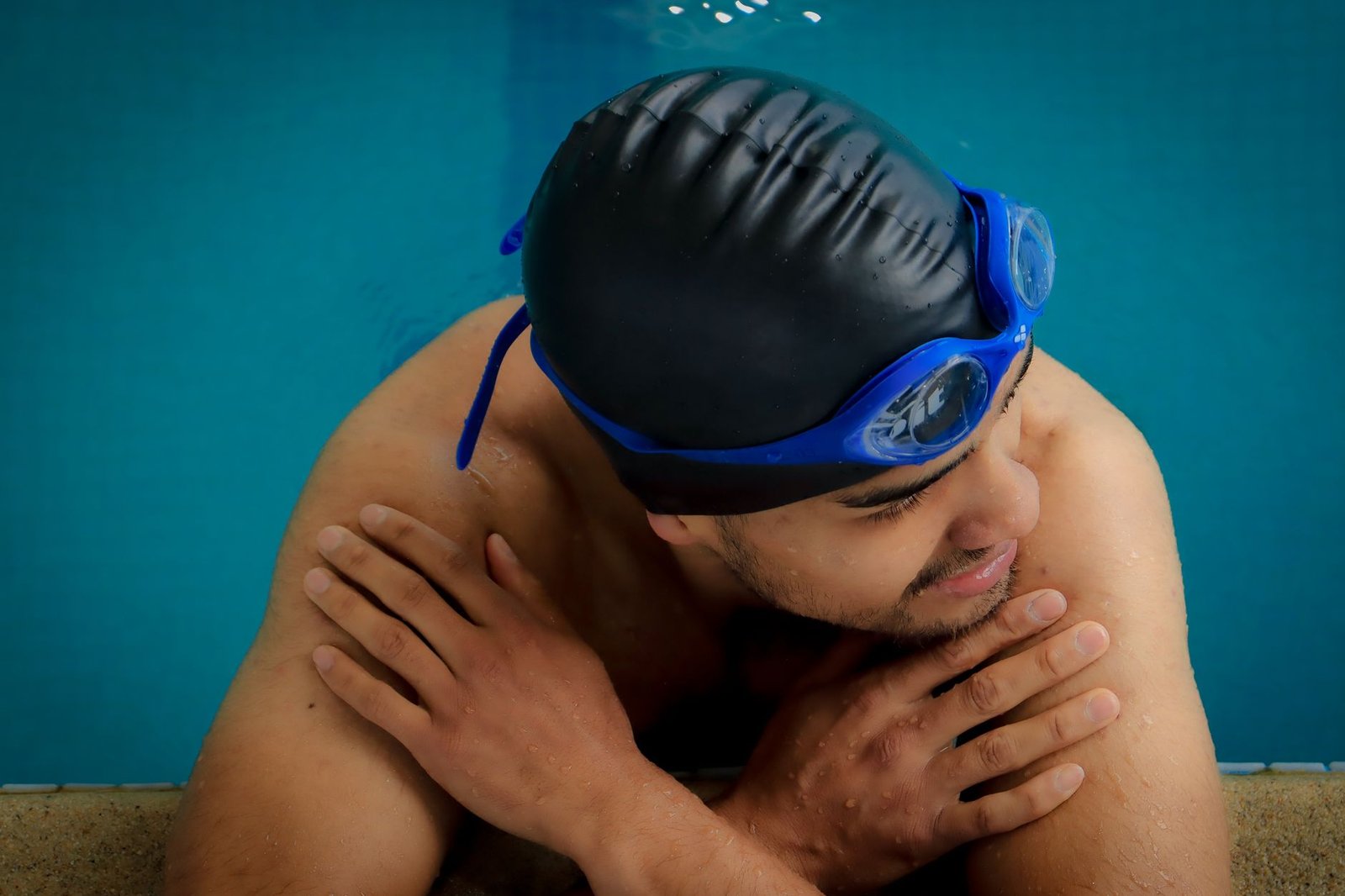
The first time most swimmers think about UV protection is not while shopping. It is usually afterward, standing at the edge of an outdoor pool with the sun reflecting off the lane lines, squinting before the first push-off and wondering why the same goggles that felt fine indoors suddenly feel wrong.
Indoor swimming lets you get away with simple decisions. Clear lens. Comfortable seal. Anti-fog coating that survives a few sets. Outdoor swimming changes the conversation. The lens has to handle brightness, reflection, and sun exposure at the same time. That does not mean every swimmer needs the darkest mirrored goggle on the rack, but it does mean UV labeling deserves a place in the buying decision.
So, do swim goggles need UV protection? If you swim outdoors with any regularity, yes. For indoor-only swimmers, it is less urgent. For kids, summer league swimmers, lifeguard training, outdoor lap swimmers, and anyone who trains under direct sun, I would treat UV protection as a baseline feature, then decide whether you also need smoke, mirrored, or polarized lenses.
UV protection is not the same as a dark lens
This is where many swimmers get tripped up. A lens can look dark and still not tell you much unless the manufacturer clearly labels UV protection. A clear lens can also include UV protection. Tint controls how much visible light reaches your eyes. UV protection is about filtering ultraviolet light.
That distinction matters because swimmers often shop by appearance. A mirrored goggle looks protective. A smoky lens looks serious. A clear kids goggle looks basic. But the safer buying habit is to look for wording like UV protection, UVA/UVB protection, or UV400 before assuming the lens is built for outdoor sun.
Choose UV protection first. Then choose lens darkness for comfort.
For outdoor swimming, that order makes more sense than starting with style. A bright mirrored lens may be useful. A polarized lens may be even better near reflected glare. But if the product listing does not clearly say it has UV protection, keep comparing.
The outdoor pool test I use
When I am deciding whether a pair makes sense outdoors, I do not start by asking whether the lens looks cool. I imagine three moments: walking onto the pool deck at noon, turning to breathe with the sun on one side, and looking into the far wall while the water is flickering. If a lens does not help in those moments, it is not a strong outdoor lens.
The right pair should let your face relax. You should not be squinting before the warm-up. You should not feel like the water is too dark to read the wall. You should not need to lift the goggles every few laps because your eyes feel irritated by glare.
Morning outdoor laps: clear or light smoke with UV protection can work well, especially if the pool is shaded early.
Midday outdoor pool: smoke, mirrored, or polarized lenses with clear UV labeling usually feel more comfortable.
Kids swim lessons outside: prioritize soft fit, simple straps, and UV protection over aggressive race styling.
Open water or heavy glare: UV protection is still important, but polarized lenses may help more with reflected glare off the water surface.
When mirrored or polarized lenses make sense
Once UV protection is covered, the next question is comfort. If the water is simply bright, a smoke or mirrored lens can reduce the amount of visible light reaching your eyes. If the glare is bouncing off the surface and making it hard to sight or relax your face, a polarized lens is worth comparing.
Mirrored lenses often feel good in bright outdoor pools and competition settings. They can make the light feel calmer, especially during summer practices. Polarized lenses are more specific. They are designed to deal with certain reflected glare patterns, which is why outdoor swimmers and open-water swimmers often like them.
For a deeper lens comparison, read the guide to what color swim goggle lens is best and the editorial guide on whether mirrored swim goggles are worth it. The short version for this article: UV protection is the safety baseline; mirrored and polarized are comfort and visibility choices.
Goggles worth comparing for outdoor sun
Instead of buying any pair that says “outdoor” in the title, match the goggle to the swimmer. A lap swimmer, a child in lessons, and an open-water swimmer do not need the same frame.
Speedo Vanquisher 2.0 MirroredA familiar option for lap swimmers and summer league swimmers who want a compact training or racing feel. Compare the lens details carefully and choose the tint that matches your pool light.
TYR Special Ops 2.0 PolarizedA strong direction for sunny outdoor swimming and glare-heavy water. Worth comparing if reflected glare bothers you more than basic brightness.
Aqua Sphere Kayenne PolarizedBetter for swimmers who care about comfort and a broader field of view. It is a natural comparison point for outdoor lap swimming, open-water training, and swimmers who dislike tight racing goggles.
Speedo Jr. Vanquisher 2.0A youth-sized direction for kids who need a more secure swim-team style fit. Check the exact lens version before buying if outdoor UV protection is the reason you are shopping.
Aegend UV protection swim gogglesA budget-friendly comparison for casual outdoor swimming or backup use. Useful if you need an affordable pair for pool days, but fit and lens clarity still matter.
The mistake parents make with kids goggles
Parents often shop for kids goggles by color first. That is understandable. A child who likes the color is more likely to wear the goggles. But for outdoor pools, color should not be the whole decision. Look for a soft gasket, easy adjustment, a child-sized frame, and UV protection in the product details.
Kids also tend to keep goggles on longer when the pair does not pull hair or press hard around the eyes. A protective lens does not help much if the child removes the goggles after two minutes. Fit is still the first battle. Lens protection is the second.
If your child fights goggles at lessons, read how to get kids to wear swim goggles before buying another pair. If you only need a quick search starting point, compare kids swim goggles with UV protection and focus on comfort before style.
Indoor swimmers do not need to overthink this
If you swim almost entirely indoors, UV protection is nice to have but not the feature that should drive the purchase. Fit, fog resistance, lens clarity, and comfort matter more. Many swimmers would be better off with a clear or lightly tinted indoor pair than a dark outdoor lens they can barely see through under dim lights.
This is why I like a two-pair setup for regular swimmers: one clear or light lens for indoor practice, and one UV-protective tinted, mirrored, or polarized lens for outdoor sessions. It sounds excessive until you stop trying to make one pair solve every pool.
The indoor/outdoor split is covered in more detail in indoor vs outdoor swim goggles. If you swim in both environments, that guide is a better starting point than choosing purely by lens color.
How to read a product listing without getting distracted
Product pages can be noisy. They throw anti-fog, leak-proof, panoramic, mirrored, polarized, UV, soft silicone, racing, and comfort into the same paragraph. Before you click buy, slow down and look for the few details that actually match your swim.
- Does the listing clearly mention UV protection, UVA/UVB protection, or UV400?
- Is the lens too dark for where you actually swim?
- Is the frame built for your face and comfort needs, or just for speed?
- Can you adjust the strap easily without crushing the gasket into your eyes?
- For kids, is the frame truly child-sized?
That is enough. You do not need every feature. You need the right combination for the water you swim in most often.
My practical recommendation
If you swim outdoors, buy goggles with clearly labeled UV protection. Do not assume a dark lens automatically means UV protection, and do not assume a clear lens has none. Read the listing. Look for the label. Then choose the tint based on brightness.
For bright outdoor pools, mirrored or smoke lenses can feel comfortable. For heavy glare, polarized lenses are worth comparing. For kids, comfort and easy adjustment matter just as much as lens protection. For indoor-only swimmers, prioritize fit and clarity first.
The best outdoor goggles are not the darkest pair. They are the pair that protects your eyes, lets you see clearly, and stays comfortable long enough that you forget about them during the swim.
Not sure which swim goggles are right for you?
Answer a few quick questions about your swim style, face fit, lens needs, and budget. Get matched with goggles that make sense for how you actually swim.
