
Swim Goggle Guide
Swimming goggles do more than keep water out of your eyes. A good pair can protect your eyes, improve visibility, make swimming more comfortable, help beginners feel safer, and make training easier to focus on.
This guide explains the main benefits of wearing swimming goggles, when they matter most, what mistakes to avoid, and how to choose the right type of goggles for pool swimming, open water, kids, fitness swimming, and racing.
This article contains affiliate links. As an Amazon Associate, BestSwimGoggles.com may earn from qualifying purchases. This does not change the price you pay and does not control our editorial recommendations.
Quick Answer: What Are the Benefits of Wearing Swimming Goggles?
The main benefits of wearing swimming goggles are clearer underwater vision, less eye irritation, protection from chlorine or saltwater, better confidence for beginners, safer swimming in crowded pools, improved training focus, and better visibility outdoors or in open water.
Swimming goggles can help with:
- Protecting eyes from chlorine, saltwater, dirt, and pool chemicals.
- Seeing clearly underwater.
- Reducing red, irritated, or stinging eyes after swimming.
- Helping kids and beginners feel more comfortable putting their face in the water.
- Improving awareness of lane lines, walls, turns, other swimmers, and buoys.
- Supporting better focus during lap swimming and training.
- Reducing outdoor glare when using tinted or polarized lenses.
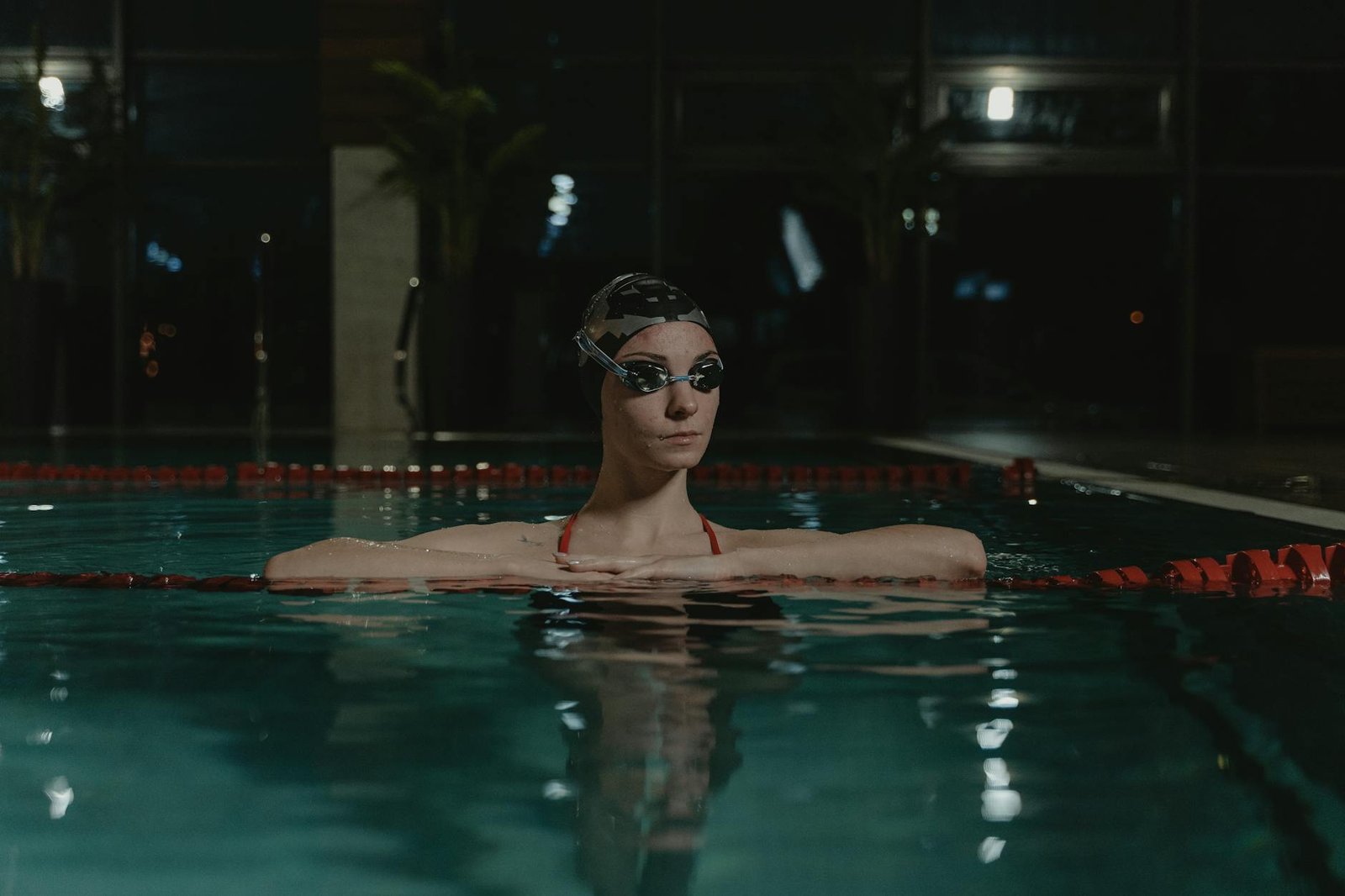
Why Swimming Goggles Matter
Without goggles, many swimmers squint, close their eyes underwater, lose track of the wall, or avoid putting their face in the water. That can make swimming less comfortable and less efficient.
Goggles create a small air space in front of the eyes, allowing you to see more clearly while reducing direct contact with pool water, saltwater, lake water, and other irritants.
For Beginners
- More confidence putting the face in water
- Less fear of stinging eyes
- Easier breathing practice
- Better body position
- More relaxed learning experience
For Experienced Swimmers
- Clearer lane awareness
- Better turns and pacing
- More focused training
- Less eye fatigue
- Better visibility in open water
Benefit 1: Clearer Underwater Vision
One of the biggest benefits of wearing swimming goggles is clear underwater vision. This matters whether you are learning to swim, doing laps, swimming in a busy lane, or sighting in open water.
Better Lane Awareness
Goggles help you see lane lines, walls, other swimmers, and depth changes more clearly.
Better Turns
Clear vision helps lap swimmers judge the wall more accurately for turns, finishes, and push-offs.
Better Open-Water Sighting
In lakes, oceans, or triathlons, goggles help swimmers see buoys, landmarks, waves, and nearby swimmers.
Benefit 2: Less Eye Irritation
Pool water, chlorine, saltwater, sweat, sunscreen, and debris can irritate the eyes. Goggles reduce direct exposure, which can make swimming much more comfortable.
| Problem | How Goggles Help | Best Goggle Feature |
|---|---|---|
| Red eyes after swimming | Reduces direct water contact | Comfortable leak-resistant seal |
| Stinging from pool water | Creates a barrier around the eyes | Soft gasket |
| Saltwater discomfort | Limits saltwater exposure | Secure open-water fit |
| Sunscreen getting into eyes | Helps reduce wash-in during swimming | Good seal and stable strap |
Goggles help reduce irritation, but they do not treat eye infections, allergies, or medical eye problems. See an eye care professional if symptoms persist.
Benefit 3: More Confidence for Beginners and Kids
Many beginners are not afraid of swimming itself — they are afraid of putting their face in the water. Goggles can make that step easier because the swimmer can keep their eyes open and see what is happening.
For Kids
- Less fear of water in the eyes
- More willingness to practice bubbles
- Better comfort during lessons
- More fun diving for toys
- Easier transition to real swimming skills
For Adults
- Less anxiety underwater
- More control during breathing drills
- Easier body-position practice
- More confidence in deep water
- Better focus on technique
For younger swimmers, see our guide to the top swim goggles for kids.
Benefit 4: Better Training Focus
When your eyes sting or your goggles leak, it is hard to focus on swimming. A reliable pair of goggles lets you concentrate on breathing, stroke rhythm, body position, turns, and pacing.
This matters especially for lap swimmers, triathletes, and anyone doing structured workouts. Clear vision makes it easier to follow the lane, count laps, read the pace clock, and maintain technique.
Goggles can support training by helping you:
- Keep your head position more stable.
- See the black line and lane markings clearly.
- Judge walls and turns more confidently.
- Avoid stopping because of eye irritation.
- Stay relaxed during longer sessions.
Benefit 5: Better Safety in Crowded Pools and Open Water
Swimming is safer when you can see clearly. In crowded lanes, goggles help you avoid other swimmers, lane ropes, walls, and unexpected obstacles. In open water, they help with sighting and awareness.
| Swim Environment | Why Goggles Help | Recommended Lens Type |
|---|---|---|
| Indoor pool | See lane lines, walls, and other swimmers | Clear or light smoke |
| Outdoor pool | Reduce brightness and sun glare | Tinted, mirrored, or polarized |
| Open water | See buoys, waves, landmarks, and swimmers | Wide-view tinted or polarized |
| Kids lessons | Improve comfort and water confidence | Clear youth goggles |
For outdoor and lake swimming, compare our guide to the best goggles for open water swimming.
Benefit 6: Protection From Sun Glare Outdoors
If you swim outdoors, lens choice becomes more important. Clear goggles can feel too bright in strong sun. Tinted, mirrored, or polarized goggles can make outdoor swimming more comfortable.
| Lens Type | Best For | Avoid If |
|---|---|---|
| Clear | Indoor pools, low light, evening swims | Bright outdoor sun |
| Smoke / tinted | Bright pools and outdoor practice | Dark indoor pools |
| Mirrored | Bright competition pools | Low-light visibility is needed |
| Polarized | Outdoor glare from water surface | Indoor-only swimming |
Benefit 7: Better Comfort for Contact Lens Wearers
Some swimmers who wear contact lenses use goggles to reduce water exposure around the eyes. However, swimming with contact lenses can carry risks, especially if water gets trapped against the eye.
If you wear contacts, use well-sealing goggles, avoid opening your eyes underwater without protection, and ask an eye care professional about the safest option for your situation.
Prescription swim goggles may be a better option for some swimmers who need vision correction in the water.
Do You Always Need Swimming Goggles?
You do not always need goggles for every quick dip, but they are strongly recommended for regular swimming, lessons, lap training, open water, and kids learning to swim.
Goggles Are Most Useful For
- Lap swimming
- Swim lessons
- Kids learning to swim
- Open-water swimming
- Triathlon training
- Outdoor pools
- People with sensitive eyes
You May Not Need Them For
- Very short casual dips
- Sitting in shallow water
- Water play without face immersion
- Situations where goggles do not fit safely
- Medical eye issues needing professional advice first
Common Mistakes When Using Swimming Goggles
Avoid these mistakes:
- Over-tightening the strap to stop leaks.
- Using dark outdoor lenses in indoor pools.
- Rubbing the inside lens and damaging the anti-fog coating.
- Buying adult goggles for small children.
- Ignoring nose bridge fit.
- Leaving goggles loose in a swim bag where the lenses get scratched.
- Assuming one pair works for every pool, beach, race, and open-water swim.
How to Choose the Right Goggles for the Benefit You Want
The best goggles depend on the problem you are trying to solve. Do you need comfort, eye protection, anti-fog performance, outdoor glare control, or confidence for a child?
| Goal | Best Goggle Type | Check Option |
|---|---|---|
| Less fogging | Anti-fog swim goggles | Check Goggles |
| Wide outdoor visibility | Aqua Sphere / wide-view style goggles | Check Goggles |
| Open-water glare reduction | Polarized swim goggles | Check Goggles |
| Kids confidence | Soft youth swim goggles | Check Kids Goggles |
| Protecting lenses | Goggle case | Check Cases |
For a complete buying breakdown, read our guide to how to choose the right swimming goggle.
Frequently Asked Questions
What are the main benefits of wearing swimming goggles?
The main benefits are clearer underwater vision, less eye irritation, better comfort, more confidence, improved safety, and better focus during training or lessons.
Do swimming goggles protect your eyes from chlorine?
Goggles reduce direct contact between pool water and your eyes, which can help reduce chlorine-related irritation. They do not make pool water medically safe for all eye conditions.
Are goggles good for beginner swimmers?
Yes. Goggles can help beginners feel more comfortable putting their face in the water because they can keep their eyes open and see clearly.
Should kids wear swimming goggles?
Kids often benefit from goggles because they reduce eye discomfort and make swim lessons less intimidating. The goggles should be youth-sized and comfortable.
Can swimming goggles help in open water?
Yes. Open-water goggles can improve sighting, help swimmers see buoys and landmarks, and reduce glare when using tinted or polarized lenses.
Why do my goggles still hurt or leak?
Pain or leaking usually means the frame shape, nose bridge, gasket, or strap position does not suit your face. Tightening the strap is not always the right fix.
Final Takeaway
Swimming goggles are useful because they protect your eyes, improve underwater vision, reduce irritation, and help swimmers feel more confident and focused.
The key is choosing the right pair for your situation. Indoor lap swimmers usually need clear, comfortable goggles. Outdoor swimmers may need tinted or polarized lenses. Kids need soft youth-sized goggles. Open-water swimmers need wider visibility and a secure seal.
