
Why Your Swim Goggles Look Blurry Underwater
Blurry goggles are easy to misdiagnose. Fog is only one possibility. Scratches, old anti-fog coating, lens tint, a tiny leak, or the wrong prescription can make the water look smeared even when the goggles technically still seal.
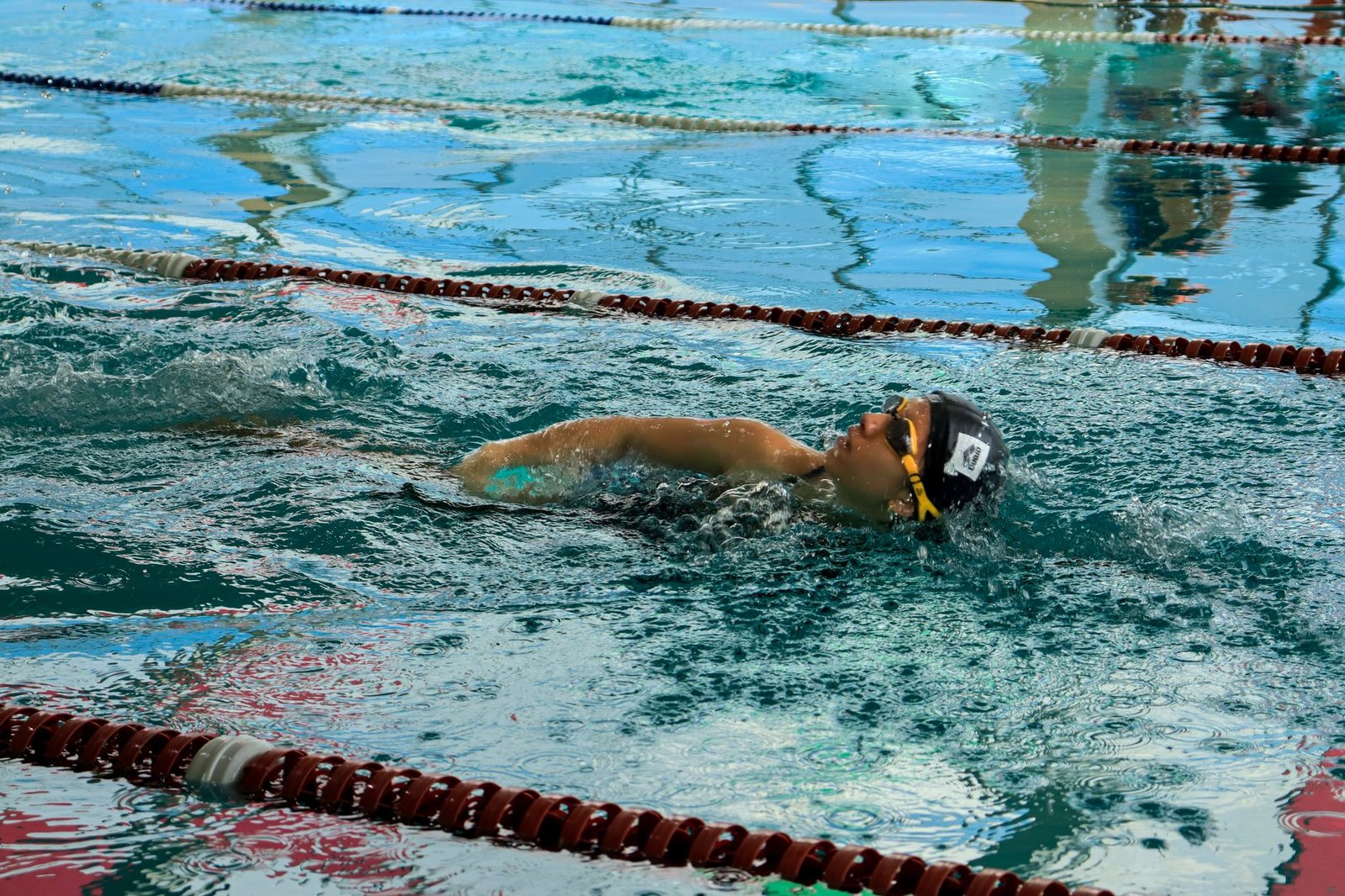
The annoying part about blurry swim goggles is that the first few minutes often feel normal. You push off, take a few strokes, and then the black line softens. The lane rope loses its edges. You stop, rinse the goggles, press them back on, and get the same hazy view again.
The usual assumption is fog. Sometimes that is right. But if your goggles look blurry underwater every swim, the problem may not be moisture at all. A scratched lens will not become clear with anti-fog spray. A lens that is too dark for a dim indoor pool will not brighten up because you tightened the strap. A prescription mismatch will not disappear after rinsing.
The fastest way to fix the issue is to stop treating all blur as the same problem. Look at when the blur appears, where it sits on the lens, and whether it changes when you get out of the water. That tells you much more than another random rinse at the wall.
Start with this: does the blur move, clear, or stay fixed?
Before buying a new pair, do one simple check. Put the goggles on dry, look across the room, then look through them near a window or bright light. If the same cloudy patches are already visible before you swim, you are probably looking at scratches, residue, or a worn lens coating.
If the goggles look clear when dry but go cloudy after a few minutes in the water, condensation is more likely. That is the classic fogging pattern. The inner lens warms up, moisture collects, and the view slowly loses contrast.
If the blur appears only when water sneaks into the gasket, the issue may be fit rather than lens clarity. A thin film of water can sit between your eye and the lens, creating a smeared view that feels like fog but behaves more like a leak. This is common when the goggles seal well for easy swimming but shift during push-offs, turns, or harder breathing.
Fog feels like a slow fade, not a dirty window
Fog usually builds gradually. The view starts sharp, then softens from the inside. It may clear briefly when water touches the lens, then return again. If that pattern sounds familiar, read the dedicated guide on how to stop swim goggles from fogging; the basics are gentle rinsing, avoiding fingerprints inside the lens, and protecting the factory anti-fog layer.
An anti-fog spray can help when the lens surface is still in decent shape. It is not a magic repair tool for goggles that have been scrubbed, wiped with a rough towel, or left loose in a swim bag with keys and shampoo bottles. If you want to try one, compare a swim-safe anti-fog spray for swim goggles, but use it for the right problem: condensation, not scratches.
One thing to avoid: rubbing the inside lens aggressively because you are frustrated at the wall. Many goggles have an anti-fog coating on the inner surface. Scrubbing that coating can make the next swim worse, not better. If there is visible grit or sunscreen on the lens, rinse gently and let the goggles air dry instead of polishing the inside like sunglasses.
Scratches create blur that does not behave like fog
Scratches are more stubborn. They show up as fixed haze, starbursts around bright pool lights, or a general loss of sharpness that does not change much during the swim. Outdoor swimmers may notice it more when sunlight hits the lens. Indoor swimmers may notice it under bright overhead lights.
If the lens is scratched, replacement is usually the honest answer. Some swimmers try to rescue old goggles with toothpaste, lens polish, or household cleaners. That is risky for swim goggles because the inner coating is easy to damage, and anything left on the lens can irritate your eyes. The safer habit is boring but effective: rinse, air dry, and store the goggles in a case.
If your current pair is scratched because it lives at the bottom of your bag, a simple swim goggle protective case may do more for long-term clarity than another expensive lens upgrade. A soft microfiber cloth can be useful for the outside lens only, but avoid rubbing the inner anti-fog surface unless the manufacturer instructions say it is safe.
Sometimes the lens is not blurry. It is just too dark.
A smoke or mirrored lens can feel crisp in a sunny outdoor pool and dull in an indoor lane with weak lighting. That is not a defect. It is a lens-environment mismatch.
This is where swimmers often blame the goggles when the real issue is light. A mirrored lens reduces brightness. That can be useful outdoors, especially around glare, but indoors it can make the lane line and wall harder to read. If you swim mostly indoors, a clear or lightly tinted lens is usually the safer everyday choice. For a deeper breakdown, the site already has a guide to swim goggle lens colors.
For a practical one-pair setup, compare something like the Speedo Vanquisher 2.0 in a clear or lighter lens if you want a compact pool-training goggle. If you prefer a softer, wider-view feel for lap swimming, compare Aqua Sphere Kayenne-style goggles with a clear lens. Check the current listing before buying because lens versions and colors change often.
A useful pool-deck test: hold the goggles at arm’s length and look through them toward the far end of the pool before you get in. If the world already looks dim or smeared, swimming will not improve it. If the view is sharp when dry and fades only after several minutes, you are dealing with fog, leak, or temperature change.
A tiny leak can make the view look smeared
Not every leak pours water into the goggles. Sometimes it is just enough to leave a shifting film across the lens. That kind of blur is easy to confuse with fog because the view gets cloudy, but the cause is mechanical: the seal is moving.
This tends to happen near the outer corners, under the lower gasket, or around the nose bridge. If you recently changed caps, grew facial hair, started swimming harder sets, or tightened the strap to stop a small leak, the goggles may no longer sit flat on your face.
Use the dry suction test before your next swim. Press the goggles gently to your face without the strap. If they fall off immediately, they are not matching your face well. If they hold for a moment but pinch the nose or pull at the outer eye socket, the frame shape may be close but not right. The guide on the dry suction test for swim goggles goes deeper into this.
Prescription mismatch creates a different kind of blur
If you normally wear glasses or contacts, blurry underwater vision may not be a goggle-care issue at all. Standard goggles do not correct vision. They only create an air space in front of the eye. If the pool deck is blurry without glasses, the lane line may still look soft through non-prescription goggles.
Premade optical goggles can help some swimmers, especially those with simple nearsighted prescriptions. They are less exact than custom eyewear, and they may not fully address astigmatism or different prescriptions in each eye. Do not guess if the prescription is complicated; check your current eye prescription and ask an eye-care professional when needed.
If you are comparing options, start with the site’s prescription swim goggles diopter guide. For a quick shopping comparison, you can also browse optical prescription swim goggles, but confirm the diopter range and return policy before ordering.
When it makes sense to buy instead of keep fixing
If the lenses are scratched, the coating is worn, or the frame never seals cleanly, replacing the goggles is usually more sensible than spending weeks trying to rescue them. A small amount of maintenance helps; a bad lens or bad fit stays bad.
For indoor lap swimming, a clear training pair is often enough. For outdoor swimming where the view is clear but the light is harsh, compare a polarized or glare-control option such as TYR Special Ops-style polarized goggles. For swimmers who keep damaging lenses in the bag, add a case before buying a more expensive pair.
My editorial rule here is simple: do not upgrade the product until you know the failure. Anti-fog spray for condensation. A new clear lens for scratches or dim pools. A different frame shape for leaks. Prescription goggles for uncorrected vision. Those are different purchases.
The quick diagnosis before your next swim
Keep this short. You do not need a complicated test bench.
- If the goggles are cloudy before you enter the water, inspect for scratches, residue, or worn coating.
- If the view fades after several minutes, treat it as fog first and protect the inner lens.
- If water film moves across the lens, check fit and gasket seal before blaming anti-fog.
- If the pool looks dim rather than cloudy, your lens tint may be wrong for that environment.
- If you wear glasses, compare prescription options instead of expecting standard goggles to sharpen your view.
After that, the decision is clearer. Clean gently if the lens is dirty. Use anti-fog help if condensation is the issue. Replace the goggles if the lens is scratched. Change lens color if the pool is too dark. Change frame shape if water is sneaking in.
Related guides that help narrow the cause
If the blur behaves like condensation, start with how to stop swim goggles from fogging. If the lens looks dirty or scratched, read how to clean swimming goggle lenses safely. If the problem appears only in certain pools or outdoors, the indoor vs outdoor swim goggles guide will help you choose a better lens setup.
Not sure which swim goggles are right for you?
Answer a few quick questions about your swim style, face fit, lens needs, and budget. The Best Swim Goggles Finder can help narrow the options without making you read another generic list.
