
Swimming Health Guide
Swimming is healthy because it trains the heart, lungs, muscles and mind while keeping impact low on the joints. It combines aerobic fitness, resistance from water, mobility, breathing control and stress relief in one activity.
This guide explains the real reasons swimming is so good for your body, who benefits most, how it compares with land-based workouts, and how beginners can start safely without overdoing it.
This article contains affiliate links. As an Amazon Associate, BestSwimGoggles.com may earn from qualifying purchases. This does not change the price you pay and does not control our editorial recommendations.
Low impact
Water supports body weight and reduces pounding on joints.
Full-body
Arms, legs, core, back and shoulders all contribute.
Cardio
Continuous swimming can improve aerobic conditioning.
Mental reset
Rhythm, breathing and water can help reduce stress.
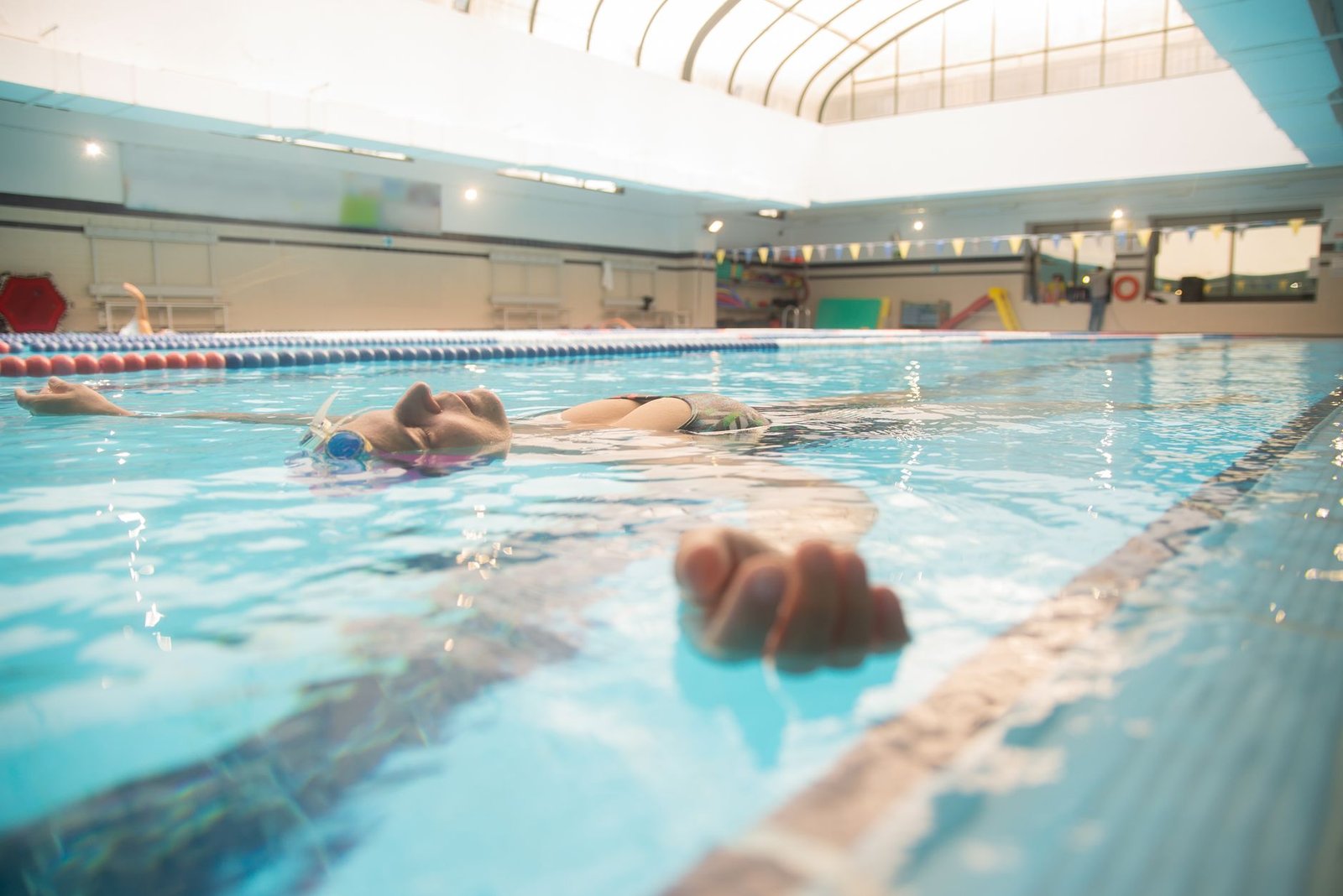
Quick Answer: Why Is Swimming So Healthy?
Swimming is healthy because it gives you a full-body aerobic workout without the same joint impact as running or jumping. The water adds natural resistance, supports the body, encourages controlled breathing and can be adapted for beginners, older adults, athletes and people returning to exercise.
Main health benefits of swimming:
- Improves cardiovascular fitness.
- Builds muscular endurance across the whole body.
- Supports joint-friendly movement.
- Helps improve breathing rhythm and lung control.
- Can support weight management when done consistently.
- Promotes flexibility and range of motion.
- Can reduce stress and improve mood.
- Works for many fitness levels because intensity is easy to adjust.
1. Swimming Trains the Whole Body
Unlike workouts that isolate one muscle group, swimming asks the entire body to work together. Your arms pull, your legs kick, your core stabilizes, your back supports posture and your breathing sets the rhythm.
This is why swimming can feel surprisingly tiring even when it looks smooth. Good technique turns swimming into coordinated full-body movement instead of just “moving arms through water.”
2. It Is Low-Impact but Not Easy
One of swimming’s biggest health advantages is that it is low-impact. The water supports some of your body weight, which can make swimming more comfortable for people who dislike running, have joint sensitivity, or need a gentler way to build fitness.
Running
High impact, easy to start, strong cardio load, but harder on knees/ankles for some people.
Cycling
Low impact and efficient, but less upper-body and core involvement.
Swimming
Low impact, full-body, cardio and resistance combined, but requires water access and technique.
Low-impact does not mean no effort. Water resistance can make swimming challenging while still being gentle on joints.
3. Swimming Supports Heart and Lung Fitness
Continuous swimming challenges the cardiovascular system. When you swim at a steady pace, your heart works to deliver oxygen to the muscles, and your lungs adapt to a controlled breathing pattern.
Steady laps
Useful for aerobic endurance and building a fitness base.
Best for: beginners and fitness swimmers.
Intervals
Shorter repeats with rest can raise intensity and improve conditioning.
Best for: swimmers with some technique base.
Mixed strokes
Changing strokes uses different muscles and prevents repetitive strain.
Best for: balanced development.
If you are new to exercise, start with short swims and rest as needed. A sustainable routine beats one hard session that leaves you exhausted for a week.
4. Water Resistance Builds Muscular Endurance
Water creates resistance in every direction. That means your muscles work during the pull, kick and recovery phases. This does not replace heavy strength training, but it can build muscular endurance and tone, especially when you swim consistently.
| Swimming Action | What It Trains | Health Benefit |
|---|---|---|
| Freestyle pull | Shoulders, lats, arms, upper back | Upper-body endurance |
| Kick | Hips, glutes, thighs, calves | Lower-body conditioning |
| Body roll | Core and obliques | Rotation control and stability |
| Streamline | Core, shoulders and posture muscles | Body alignment and control |
| Treading water | Full body | Functional endurance and water confidence |
5. Swimming Can Help With Stress and Mood
Many swimmers describe the pool as a mental reset. The repeated rhythm of strokes, the sound of water, and the need to coordinate breathing can create a calming focus that feels different from land workouts.
Why it feels calming
- Rhythmic breathing creates focus.
- Water reduces outside noise.
- Repetition can feel meditative.
- Exercise itself can support mood.
How to make it relaxing
- Swim easy laps, not only hard intervals.
- Use a comfortable pace.
- Practice calm exhaling underwater.
- Avoid comparing yourself with faster swimmers.
6. It Works for Many Ages and Fitness Levels
Swimming can be adapted for children, adults, older swimmers, beginners, competitive athletes and people who need a gentler way to move. You can adjust speed, distance, stroke type, equipment and rest intervals.
| Swimmer Type | Best Starting Approach | Useful Gear |
|---|---|---|
| Beginner adult | Short easy laps with rest at the wall | Comfort goggles and swim cap |
| Child learning to swim | Lessons, water confidence and fun practice | Kids goggles that fit properly |
| Fitness swimmer | Steady laps plus simple intervals | Anti-fog goggles and lap timer |
| Older adult | Low-impact movement and gradual progression | Comfort goggles and easy-entry pool access |
| Triathlete | Technique, open-water practice and endurance sets | Polarized goggles and swim buoy when appropriate |
Helpful Gear for Health-Focused Swimming
You do not need much gear to get the health benefits of swimming. The most important items are comfortable goggles that do not leak, a cap if hair gets in your way, and simple training tools if you want variety.
Comfort swim goggles
Help you relax in the water and avoid eye irritation.
Wide-view goggles
Useful if you want better visibility and a less boxed-in feel.
Swim cap
Keeps hair more controlled and may reduce drag.
Kickboard
Adds variety and lets beginners practice kicking.
Training fins
Can help body position and make technique practice more enjoyable.
Swim tracker
Useful if you like tracking distance, pace and consistency.
A Simple Beginner Swim Plan for Health
If you are swimming for general health, start simple. You do not need a complicated competitive workout.
Build comfort
Swim 10–15 minutes, resting often. Focus on breathing and relaxed movement.
Add consistency
Swim 15–25 minutes, 2–3 times per week. Mix easy laps with rest breaks.
Add structure
Try simple intervals such as 4–8 short repeats with easy rest at the wall.
Keep it sustainable
Gradually increase time, not all at once. Add drills, kick sets or different strokes.
If you have heart, lung, joint or medical concerns, check with a qualified healthcare professional before starting a new exercise program.
Common Mistakes That Reduce the Benefits
Starting too hard
Going all-out on day one can make swimming feel discouraging. Build gradually.
Ignoring technique
Poor breathing or body position can make easy swimming feel exhausting.
Using leaking goggles
Eye irritation and constant adjustment ruin consistency.
Only swimming one pace
Mix easy laps, drills and occasional intervals for better progress.
Skipping recovery
Even low-impact exercise still requires rest, hydration and sleep.
Comparing too much
Your health routine should match your level, not the fastest swimmer in the lane.
Frequently Asked Questions
Why is swimming considered one of the healthiest exercises?
Swimming is considered very healthy because it combines cardiovascular training, full-body muscle endurance, breathing control, mobility and low-impact movement in one workout.
Is swimming good for weight loss?
Swimming can support weight loss when combined with consistent training and appropriate nutrition. It burns energy, builds fitness and may be easier to sustain for people who dislike high-impact workouts.
Is swimming good for your heart?
Regular swimming can support cardiovascular fitness because it challenges the heart and lungs during continuous movement. Start gradually if you are new to exercise or have medical concerns.
Is swimming better than running?
Swimming is lower-impact and uses the whole body, while running is easier to access and weight-bearing. The better choice depends on your joints, goals, access to a pool and personal preference.
How often should I swim for health?
Many beginners do well with two to three swims per week. Start with short sessions and gradually build time, distance or intensity as your technique improves.
Can swimming help with stress?
Yes. Many swimmers find swimming calming because it combines rhythmic breathing, repeated movement, quiet focus and the relaxing sensation of being in water.
Final Takeaway
Swimming is so healthy because it is a rare exercise that can train the heart, lungs, muscles and mind while staying gentle on the joints. It can be easy, hard, relaxing, technical, social or competitive depending on how you use it.
The best way to get the benefits is to make swimming consistent. Start with comfortable gear, choose a pace you can repeat, improve technique slowly and build a routine that feels sustainable.
