
Swimmer Hair Care Guide
The fastest way to remove chlorine from hair after swimming is to rinse immediately with fresh water, wash with a swimmer’s chlorine-removal shampoo, then follow with a moisturizing conditioner. For frequent swimmers, the best routine starts before the pool: wet your hair first, wear a swim cap, and avoid letting chlorine dry into your hair for hours.
Chlorine keeps pool water safer, but it can leave hair feeling dry, brittle, sticky, faded, tangled or full of that familiar pool smell. This guide gives swimmers a practical routine for removing chlorine, reducing damage and keeping hair softer between practices.
This article contains affiliate links. As an Amazon Associate, BestSwimGoggles.com may earn from qualifying purchases. This does not change the price you pay and does not control our editorial recommendations.
Quick Answer: How Do You Get Chlorine Out of Hair?
Rinse your hair with fresh water as soon as you leave the pool, then use a swimmer’s shampoo made to remove chlorine, bromine and mineral buildup. Follow with a swimmer-friendly conditioner to restore moisture. For regular swimmers, pre-soak hair before swimming and wear a silicone swim cap to reduce chlorine absorption.
Simple chlorine-removal routine:
- Before swimming: wet hair with clean shower water.
- During swimming: wear a silicone swim cap when possible.
- Right after swimming: rinse hair before chlorine dries.
- At home or shower: use chlorine-removal shampoo.
- After shampoo: apply conditioner to restore softness.
- Weekly if needed: use a clarifying treatment, but do not overdo it.
Do not wait until the next morning if your hair feels dry or smells strongly of chlorine. The longer pool chemicals sit in your hair, the harder they are to remove.
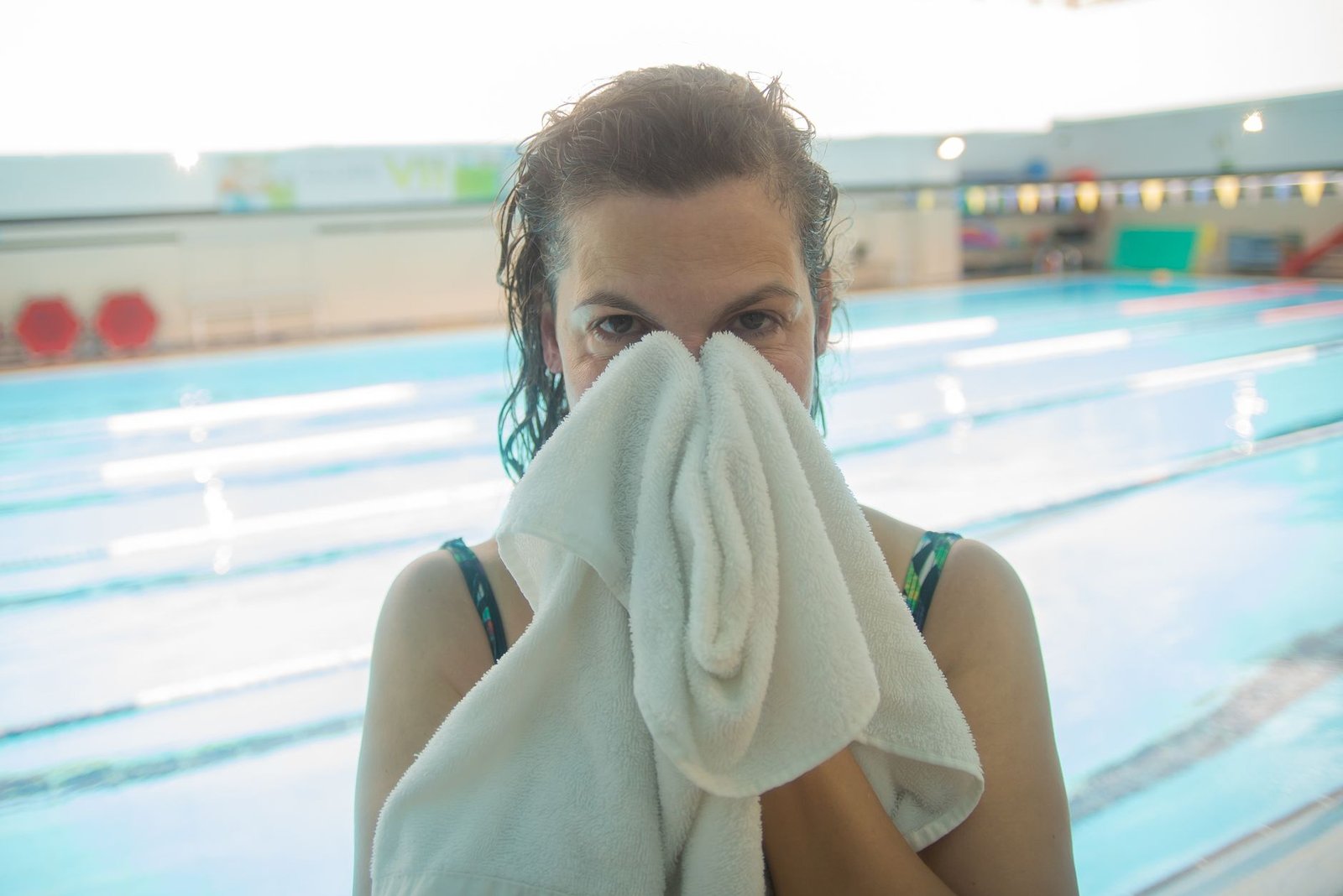
Best Products and Tools for Removing Chlorine from Hair
You do not need a complicated hair routine. Most swimmers need three things: a good swimmer shampoo, a conditioner that restores moisture, and a swim cap that reduces chlorine exposure in the first place.
| Product / Tool | Best For | Why It Helps | Parent / Swimmer Tip | Check Option |
|---|---|---|---|---|
| Swimmer’s chlorine-removal shampoo | Regular pool swimmers | Helps remove chlorine smell and buildup better than basic shampoo | Use after pool sessions, especially if hair feels stiff or smells strongly | Check Shampoo |
| TRISWIM Chlorine Removal Shampoo | Frequent swimmers | Popular swim-care option for chlorine, bromine and pool residue | Pair with conditioner if hair feels dry | Check TRISWIM |
| UltraSwim Chlorine Removal Shampoo | Budget-friendly chlorine removal | Classic swimmer shampoo option for post-pool hair care | Good starter product for kids or recreational swimmers | Check UltraSwim |
| Swimmer conditioner | Dry or tangled hair | Restores softness after chlorine-removal shampoo | Focus on mid-lengths and ends | Check Conditioner |
| Silicone swim cap | Prevention | Reduces how much chlorinated water reaches hair | Caps reduce exposure but do not keep hair perfectly dry | Check Swim Cap |
| Microfiber hair towel | Gentle drying | Reduces rough towel friction on wet hair | Blot instead of aggressively rubbing | Check Towel |
Why Chlorine Makes Hair Dry, Brittle or Smelly
Chlorine is used to sanitize pool water, but repeated exposure can strip natural oils from hair and leave residue behind. This is why swimmers often notice dry ends, tangles, rough texture, dullness or a strong pool smell after training.
Common Signs of Chlorine Buildup
- Hair smells like pool water after showering.
- Hair feels dry, rough or straw-like.
- Ends tangle more than usual.
- Color-treated hair looks dull or faded.
- Blonde or light hair may look brassy or greenish.
- Scalp feels itchy or tight after swimming.
Who Needs Extra Hair Care?
- Daily or competitive swimmers.
- Kids in regular swim lessons.
- Swimmers with long hair.
- Color-treated or highlighted hair.
- Curly, textured or dry hair types.
- Anyone swimming in heavily chlorinated pools.
Step-by-Step: How to Remove Chlorine from Hair After Swimming
Rinse Hair Immediately
Use fresh water as soon as possible after swimming. A quick rinse removes surface chlorine before it dries into your hair and scalp.
Use a Swimmer’s Shampoo
Swimmer shampoos are designed to remove chlorine, pool smell and mineral buildup better than normal daily shampoo. Follow the label and avoid over-washing if your hair is already dry.
Let It Work Briefly
Some chlorine-removal shampoos work better if left on the hair briefly before rinsing. Follow the product instructions instead of rushing through the wash.
Condition Thoroughly
Chlorine-removal shampoo can clean residue, but conditioner helps restore softness, manage tangles and reduce that dry, brittle feeling.
Dry Gently
Wet hair is more fragile. Use a microfiber towel or soft towel and blot instead of rubbing aggressively.
Before Swimming: How to Prevent Chlorine from Soaking Into Hair
The best way to remove less chlorine later is to let less chlorine into the hair before you swim. Prevention is especially important for kids, long hair, blonde hair and swimmers who train several times per week.
Pre-swim hair protection checklist:
- Wet hair fully with fresh shower water before entering the pool.
- Wear a silicone swim cap, especially for long or color-treated hair.
- Put long hair in a low bun or braid under the cap.
- Avoid heavy conditioners or oils that wash into the pool.
- Rinse off sweat and styling products before swimming.
- Use a long-hair swim cap if a regular cap pulls or slips.
Hair that is already soaked with clean water absorbs less chlorinated water than dry hair entering the pool.
Swimmer Shampoo vs Regular Shampoo
Regular shampoo can clean sweat, oil and basic dirt, but swimmer shampoo is made for pool-specific residue. If you swim occasionally, your normal shampoo may be enough. If your hair smells like chlorine after washing, use a chlorine-removal formula.
| Shampoo Type | Best For | Limitations |
|---|---|---|
| Regular shampoo | Occasional pool use, normal hair cleaning | May not fully remove chlorine smell or buildup |
| Swimmer shampoo | Regular swimmers, chlorine smell, dry pool hair | Should be followed with conditioner if hair feels dry |
| Clarifying shampoo | Heavy buildup, occasional deep cleaning | Can be drying if used too often |
| Moisturizing shampoo | Dry hair with mild pool exposure | May not remove stubborn chlorine residue |
Can Home Remedies Remove Chlorine from Hair?
Some swimmers use home remedies such as apple cider vinegar, baking soda or vitamin C rinses. These may help in a pinch, but they can also dry hair, irritate the scalp or leave a strong smell if used incorrectly.
| Home Remedy | Possible Benefit | Use Caution |
|---|---|---|
| Apple cider vinegar rinse | May reduce residue and odor | Strong smell; may irritate scalp if too concentrated |
| Baking soda rinse | Can feel clarifying | Can be drying and harsh if overused |
| Vitamin C rinse | Often used for chlorine neutralizing routines | May not suit sensitive scalps or all hair types |
| Lemon juice | May brighten or reduce odor | Can dry hair and affect color-treated hair |
For regular swimmers, a dedicated swimmer shampoo and conditioner is usually more predictable than DIY remedies.
Best Routine by Swimmer Type
| Swimmer Type | Recommended Routine | Extra Tip |
|---|---|---|
| Occasional pool swimmer | Rinse immediately, use normal shampoo or swimmer shampoo if smell remains | Condition after washing |
| Lap swimmer 2–3x/week | Pre-wet hair, cap, swimmer shampoo after pool sessions | Use conditioner regularly |
| Competitive swimmer | Pre-wet, cap, rinse immediately, chlorine-removal shampoo, conditioner | Add weekly deep conditioning if hair feels brittle |
| Kids in lessons | Fresh-water rinse, gentle swimmer shampoo, soft conditioner if needed | Use a cap if hair tangles easily |
| Color-treated hair | Pre-wet, cap, gentle chlorine-removal shampoo, rich conditioner | Ask a stylist about color-safe swimmer products |
| Curly or textured hair | Pre-wet, protective cap, gentle cleanse, moisturizing conditioner | Avoid harsh clarifying routines too often |
Common Mistakes That Make Chlorine Hair Worse
Avoid these mistakes:
- Letting chlorine dry in your hair for hours after swimming.
- Skipping the fresh-water rinse before and after the pool.
- Using harsh clarifying shampoo every day.
- Forgetting conditioner after chlorine-removal shampoo.
- Rubbing wet hair aggressively with a rough towel.
- Wearing a swim cap over completely dry hair every time.
- Assuming a swim cap keeps hair perfectly dry.
- Ignoring persistent scalp irritation, color change or breakage.
Swimmer Hair Care Kit Checklist
Keep these items in your swim bag or bathroom if you swim often.
Pool Bag Essentials
- Silicone swim cap
- Backup hair tie
- Microfiber towel
- Wide-tooth comb
- Small leave-in detangler
- Water bottle for post-swim hydration
Shower Essentials
- Chlorine-removal shampoo
- Moisturizing conditioner
- Occasional clarifying treatment
- Gentle scalp brush if tolerated
- Leave-in conditioner for dry ends
- Soft towel for blot-drying
Frequently Asked Questions
What is the fastest way to remove chlorine from hair?
Rinse immediately with fresh water, wash with a swimmer’s chlorine-removal shampoo, then apply conditioner to restore moisture and reduce dryness.
Can regular shampoo remove chlorine from hair?
Regular shampoo may remove some pool residue, but swimmer shampoo is usually better for chlorine smell, bromine and mineral buildup after frequent swimming.
Should I wash my hair every time I swim?
If you swim in a chlorinated pool and your hair smells or feels dry, washing with swimmer shampoo after the session can help. Frequent swimmers should balance chlorine removal with moisturizing conditioner to avoid dryness.
Does a swim cap keep chlorine out of hair?
A swim cap reduces chlorine exposure but usually does not keep hair completely dry. Wetting hair first and wearing a silicone cap is still one of the best prevention methods.
Can chlorine turn hair green?
Light or blonde hair can sometimes look greenish after pool exposure, often due to minerals and pool chemistry rather than chlorine alone. A swimmer shampoo or clarifying routine may help, but severe discoloration may need a stylist.
How do swimmers prevent dry hair?
Swimmers can prevent dry hair by pre-wetting hair, wearing a swim cap, rinsing immediately after swimming, using swimmer shampoo when needed, and conditioning consistently.
Final Takeaway
The best way to remove chlorine from hair after swimming is simple: rinse right away, use a chlorine-removal shampoo, condition thoroughly and dry gently. For prevention, wet your hair before entering the pool and wear a silicone swim cap.
If you swim often, do not wait until your hair becomes brittle or smells like chlorine for days. A consistent swimmer hair care routine keeps your hair softer, easier to manage and less damaged by repeated pool exposure.
