
Freestyle Technique Clinic
The freestyle kick in swimming is not just a way to move your legs. A good flutter kick supports body position, balances rotation, keeps the hips high, and adds speed without wasting energy.
This guide explains how the freestyle kick works, what a good kick should feel like, how to fix common mistakes, and which drills help beginners, fitness swimmers and competitive swimmers build a more efficient kick.
This article contains affiliate links. As an Amazon Associate, BestSwimGoggles.com may earn from qualifying purchases. This does not change the price you pay and does not control our editorial recommendations.
Kick from hips
Let the movement start high in the leg, not only from the knees.
Stay narrow
Keep the kick inside your body line to reduce drag.
Relax ankles
Loose ankles create a smoother, more useful flutter kick.
Match rhythm
The kick should support breathing, rotation and stroke timing.
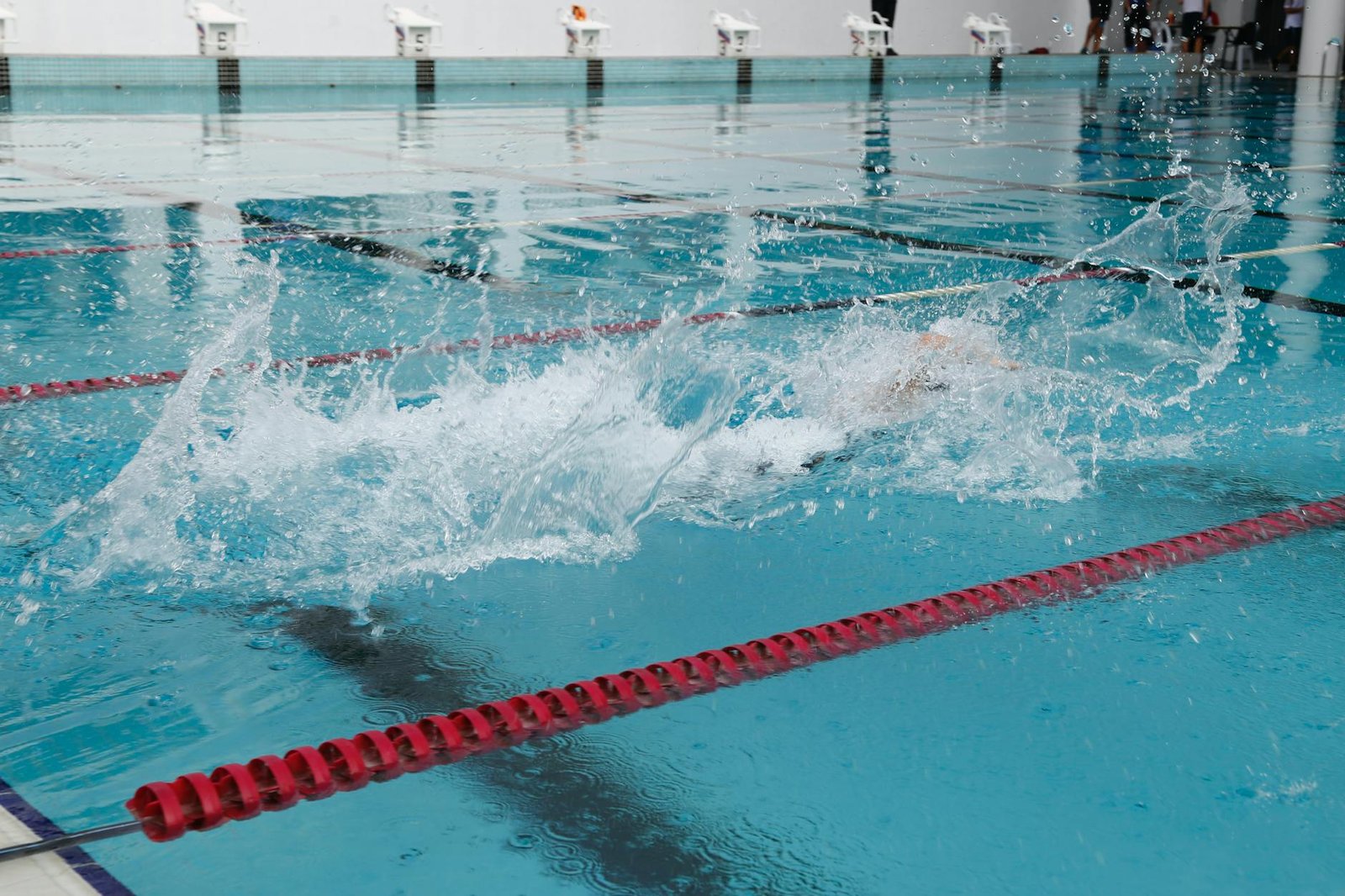
Quick Answer: What Is the Correct Freestyle Kick?
The correct freestyle kick is a small, narrow flutter kick that starts from the hips, stays relaxed through the knees and ankles, and supports the body line. The legs should not bicycle, scissor wide, or splash excessively. A good kick helps keep the hips high and connects smoothly with the arm stroke and breathing rhythm.
Freestyle Kick Formula
Efficient kick = high hips + hip-driven motion + relaxed ankles + narrow rhythm + controlled breathing
Why the Freestyle Kick Matters
Many swimmers think the kick is mainly for propulsion. In freestyle, the kick also helps stabilize the body. If your kick is too wide, too stiff, or out of rhythm, it can make your whole stroke feel harder.
Body position
A steady kick helps keep the legs from sinking.
Rotation balance
The kick helps control side-to-side body roll.
Stroke rhythm
Kick timing can support the pull and breathing cycle.
Speed
A stronger kick can add speed, especially in sprints and finishes.
Kick From the Hips, Not Just the Knees
A common beginner mistake is bending the knees too much and kicking like a bicycle. This creates drag and pushes water in unhelpful directions. A better kick starts from the hips, with small knee bend and relaxed ankles.
Do
- Start the motion from the hips.
- Keep the kick narrow.
- Let knees bend slightly, not excessively.
- Keep ankles loose and pointed naturally.
- Use a rhythm you can sustain.
Do not
- Kick mostly from the knees.
- Make big splashes behind you.
- Scissor kick during breathing.
- Point toes so hard that your calves cramp.
- Kick wider than your body line.
Freestyle Kick Timing: 2-Beat, 4-Beat and 6-Beat Kick
Freestyle kick timing depends on your goal. Distance swimmers often use a relaxed 2-beat kick to save energy. Sprint swimmers often use a stronger 6-beat kick to add speed and power. Fitness swimmers can use whatever rhythm helps them stay balanced.
| Kick Rhythm | Best For | How It Feels |
|---|---|---|
| 2-beat kick | Distance swimming, open water, relaxed efficiency | One kick per arm stroke; calm and economical |
| 4-beat kick | Moderate pace, fitness swimming, transition rhythm | Balanced middle ground between easy and powerful |
| 6-beat kick | Sprinting, racing, fast intervals | Strong, continuous kick with higher energy cost |
A more powerful kick is not automatically better. Choose the kick rhythm that supports your speed without exhausting your legs too early.
Best Drills to Improve Freestyle Kick
| Drill | Main Goal | How to Do It | Helpful Gear |
|---|---|---|---|
| Streamline kick | Body line and narrow kick | Kick in tight streamline, focus on small fast movement | Kickboard optional |
| Side kick | Balance and rotation | Kick on one side with one arm extended | Training fins |
| Vertical kick | Kick strength and ankle awareness | Kick upright in deep water in short controlled rounds | None |
| Kick with snorkel | Head position and steady rhythm | Use snorkel so breathing does not disrupt body line | Swim snorkel |
| Tempo kick | Kick rhythm control | Use a tempo trainer to control beat and consistency | Tempo trainer |
Common Freestyle Kick Problems and Fixes
| Problem | Likely Cause | Fix |
|---|---|---|
| Legs sink | Head too high, weak body line or low kick support | Look down, engage core and use small steady kick |
| Big splash | Kick too large or knees bending too much | Keep kick narrow and just below the surface |
| Calf cramps | Over-pointing toes or kicking too hard too soon | Relax ankles and build kicking volume gradually |
| Scissor kick while breathing | Body balance breaks during breath | Practice side kick and breathing with one goggle in water |
| Fast kick but no speed | Too much effort, poor body position or wide kick | Reduce kick size and improve streamline |
Sample Freestyle Kick Workout
Use this short set once or twice per week. Keep the focus on quality instead of turning every kick set into a leg-burning struggle.
4 x 50 easy swim, focus on relaxed ankles and high hips.
4 x 25 side kick, switch sides each length.
4 x 25 streamline kick, narrow kick and quiet splash.
6 x 15 seconds vertical kick, rest enough to keep form.
4 x 50 freestyle, keep the same kick rhythm while swimming full stroke.
Should You Use Fins for Freestyle Kick?
Fins can help swimmers feel speed, improve ankle flexibility and practice body line. But fins can also hide a weak natural kick if you use them too often. Use them as a teaching tool, not a crutch.
Fin rule
Use fins for short technique sets, then remove them and repeat the same drill without fins. This helps transfer the feeling back to normal freestyle.
Where Goggles Fit Into Kick Technique
Goggles do not improve your kick directly, but clear, leak-free goggles help you keep your head position stable. If you lift your head because your goggles leak or fog, your hips may drop and your kick becomes harder.
Common Mistakes
Kicking too big
A wide kick creates drag and wastes energy.
Bending the knees too much
This turns the flutter kick into a bicycle motion.
Holding the ankles stiff
Stiff ankles reduce the whip-like effect of the kick.
Using fins all the time
Fins are useful, but natural kick development still matters.
Ignoring body position
A kick cannot fully fix a head position or balance problem.
Kicking hard before warming up
Sudden hard kicking can increase the chance of cramps or tightness.
Frequently Asked Questions
What is the freestyle kick in swimming?
The freestyle kick is a flutter kick where the legs move up and down in a small alternating rhythm. It supports body position, balance and propulsion.
Should freestyle kick come from the hips or knees?
The freestyle kick should start from the hips with a slight natural knee bend. Kicking mostly from the knees creates drag and wastes energy.
Why do my legs sink during freestyle?
Sinking legs can come from lifting the head, poor core control, weak body line, holding the breath, or not using a steady supportive kick.
Are swim fins good for improving freestyle kick?
Yes, fins can help with ankle flexibility, rhythm and body position, but they should be used alongside normal kicking without fins.
What kick rhythm should I use for freestyle?
Distance swimmers often use a 2-beat kick, sprinters often use a 6-beat kick, and fitness swimmers can use a rhythm that keeps the body balanced without tiring the legs too much.
How can I stop calf cramps while kicking?
Warm up gradually, avoid over-pointing the toes, relax the ankles, build kicking volume slowly, and stop if the cramp affects your ability to swim safely.
Final Takeaway
A better freestyle kick is not the biggest or hardest kick. It is a narrow, hip-driven flutter kick that keeps your body high, supports rotation and matches your stroke rhythm. Start with body position, then build kick control, then add speed.
Use drills like side kick, streamline kick, vertical kick and snorkel kick to improve control, then transfer the same rhythm back into full freestyle.
