
Kids Swim Safety Gear Guide
The most important safety features for kids swim goggles are a gentle leak-free fit, soft silicone seals, shatter-resistant lenses, UV protection for outdoor swimming, anti-fog visibility and straps that stay secure without pulling hair or creating painful pressure.
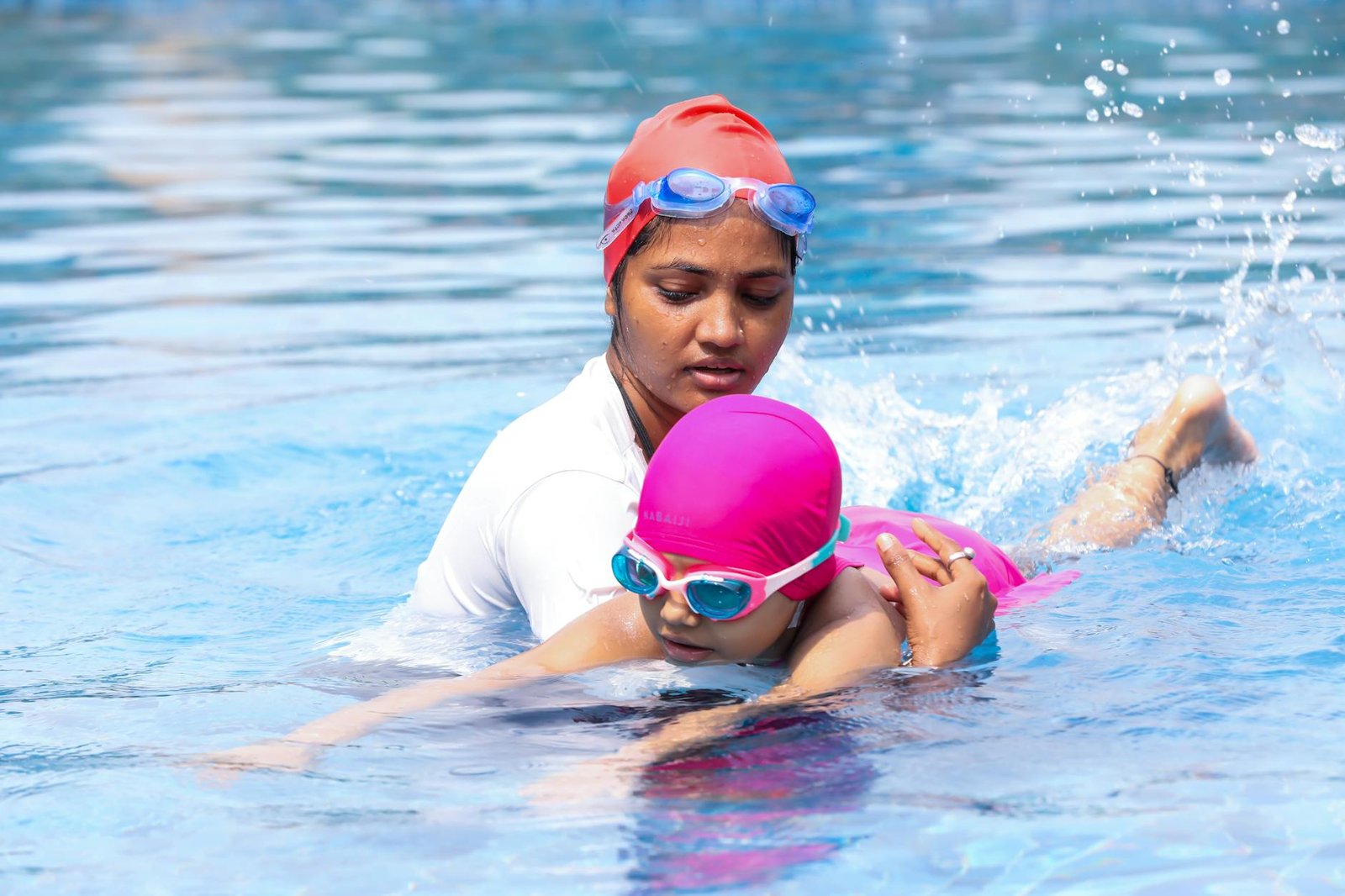
Swim goggles do not make a child safe in water by themselves. They are a comfort and visibility tool. Parents should choose goggles that help children see clearly, feel confident and follow water safety rules without relying on gear as a substitute for supervision.
This article contains affiliate links. As an Amazon Associate, BestSwimGoggles.com may earn from qualifying purchases. This does not change the price you pay and does not control our editorial recommendations.
Goggles Help Comfort and Visibility, Not Supervision
Even the safest kids swim goggles cannot prevent drowning or replace an attentive adult. Use goggles to reduce eye irritation and help children see underwater, but keep water safety rules, close supervision and age-appropriate swim instruction as the real safety foundation.
- Never treat goggles as a flotation or rescue device.
- Stay within arm’s reach for young or beginner swimmers.
- Choose clear visibility so kids can see steps, walls and instructors.
Quick Answer: What Safety Features Should Kids Swim Goggles Have?
Kids swim goggles should have soft silicone gaskets, a child-sized frame, shatter-resistant polycarbonate lenses, anti-fog coating, UV protection for outdoor use, and easy-adjust straps that stay secure without over-tightening. For younger children, comfort and a reliable seal are more important than racing features.
Parents should also check that the goggles do not block peripheral awareness too much, do not pinch the nose, and do not require painful strap tension to stop leaks.
Top Safety Features to Check
Soft silicone gasket
Soft seals reduce pressure marks and help kids wear goggles longer without discomfort.
Child-sized frame
A smaller frame seals better and avoids the leaks common with adult goggles on children.
Shatter-resistant lenses
Polycarbonate-style lenses are the standard direction for durable kids swim goggles.
Anti-fog visibility
Clear vision helps children see instructors, lane lines, pool walls and steps.
UV protection
Important for outdoor pools, beach vacations and sunny summer swimming.
Safe strap design
Easy-adjust straps reduce hair pulling and prevent over-tightening before lessons.
Safety Feature Checklist for Parents
Check the seal: Press the goggles gently to the face without the strap. They should seal briefly without pain.
Check the nose bridge: The goggles should not pinch, pull the eyes inward or leave a gap near the nose.
Check lens clarity: Your child should be able to see the pool wall, steps and instructor clearly.
Check strap comfort: The strap should hold the goggles in place without pulling hair or crushing the face.
Check outdoor protection: For outdoor swimming, choose UV protection and a lens tint that is not too dark for your child.
Kids Goggles Safety Comparison Table
| Feature | Why It Matters | Best For | Parent Warning |
|---|---|---|---|
| Soft silicone seal | Reduces leaks and pressure around the eyes | Beginners and sensitive kids | Too-soft seals can still leak if frame is too big |
| Anti-fog lens | Helps kids see clearly during lessons | Indoor lessons and swim team | Rubbing inside lens can damage coating |
| UV protection | Protects eyes in sunny outdoor conditions | Outdoor pools and beach trips | Very dark lenses may be poor indoors |
| Easy-adjust strap | Lets parents fix fit quickly without frustration | Younger children | Do not over-tighten to force a bad seal |
| Wide-view lens | Improves awareness and confidence | Nervous swimmers and open pool play | May be bulkier for swim team use |
Recommended Safety-Focused Kids Swim Goggles to Compare
The best choice depends on your child’s age, face shape and swimming environment. These categories are useful starting points.
Lens Safety: Clear, Tinted, Mirrored or Polarized?
Lens color affects how confidently kids see in the water. The safest lens is the one that matches the swimming environment.
| Lens Type | Best Use | Safety Note |
|---|---|---|
| Clear | Indoor pools and lessons | Best for visibility in dim or shaded water |
| Light tint | Mixed indoor/outdoor use | Good all-around option for many families |
| Smoke | Bright outdoor pools | May be too dark for indoor lessons |
| Mirrored | Sunny pools and glare | Helpful outdoors, but can reduce visibility indoors |
| Polarized | Outdoor glare and open water | Useful for older kids in bright conditions |
Fit Safety: Why Over-Tightening Is a Problem
Parents often tighten goggles more when they leak. But if the frame shape is wrong, tightening can make the seal worse and cause painful pressure around the eyes.
Good fit signs
- Light suction before strap tension.
- No sharp pressure near the nose.
- Child can blink and look around comfortably.
- No leaking during gentle face-in-water practice.
- Strap stays flat without pulling hair excessively.
Bad fit signs
- Goggles leak unless painfully tight.
- Red marks last long after swimming.
- Child keeps pulling them off.
- Nose bridge pinches or gaps.
- Outer corners lift away from the face.
Safe Use and Care Tips
Good care keeps lenses clearer and straps safer. Teach children a simple routine early.
Check the strap, lens clarity and seal before the child enters the water.
Remind kids not to snap straps or pull goggles far from the face.
Rinse with cool fresh water to remove chlorine, salt and sunscreen.
Air dry before storing so moisture does not sit inside the case.
Use a case to prevent scratched lenses and bent frames.
When Kids Goggles Become Unsafe or Unreliable
Replace kids swim goggles if you notice:
- Cracked or cloudy lenses.
- Sharp or broken frame edges.
- Stretched straps that no longer hold.
- Gaskets that are cracked, sticky or hardened.
- Constant fogging that blocks vision.
- Leaking that continues after proper adjustment.
Common Parent Mistakes
Buying adult goggles
Adult frames are often too wide for kids and may leak or require too much pressure.
Using dark lenses indoors
Dark lenses can make lessons harder if the pool is dim.
Over-tightening straps
Painful goggles make children less willing to swim.
Ignoring fogging
Foggy lenses can reduce confidence and visibility.
No fit test in water
A pair may feel fine dry but leak during splashing, kicking and breathing.
Treating goggles as safety gear alone
Goggles are helpful, but supervision and water safety habits matter more.
Frequently Asked Questions
What safety features should kids swim goggles have?
Kids swim goggles should have a child-sized frame, soft silicone gasket, shatter-resistant lenses, anti-fog coating, UV protection for outdoor use and easy-adjust straps.
Are kids swim goggles safe?
Yes, when they fit properly and are used correctly. They should improve visibility and comfort, but they do not replace adult supervision or swim lessons.
Should kids goggles have UV protection?
UV protection is important for outdoor pools, beaches and sunny swimming conditions. It is less critical for indoor lessons, where clear lenses may be better.
Why do my child’s goggles leave red marks?
Red marks can happen when the strap is too tight, the frame is too small or firm, or the gasket shape does not match your child’s face.
Are mirrored goggles safe for kids?
Mirrored goggles can be useful outdoors in bright sun, but they may be too dark for indoor pools or nervous beginners who need maximum visibility.
When should I replace kids swim goggles?
Replace them when lenses are scratched, straps are stretched, seals are cracked, fogging blocks vision, or leaks continue after correct adjustment.
Final Takeaway
The best safety features for swim goggles for kids are not complicated: soft fit, clear lenses, UV protection when needed, anti-fog visibility, secure straps and a child-sized frame. Choose goggles that help your child see clearly and feel confident without painful pressure.
Most importantly, remember that goggles support swimming comfort—they do not replace supervision, water rules or age-appropriate swim instruction.
